
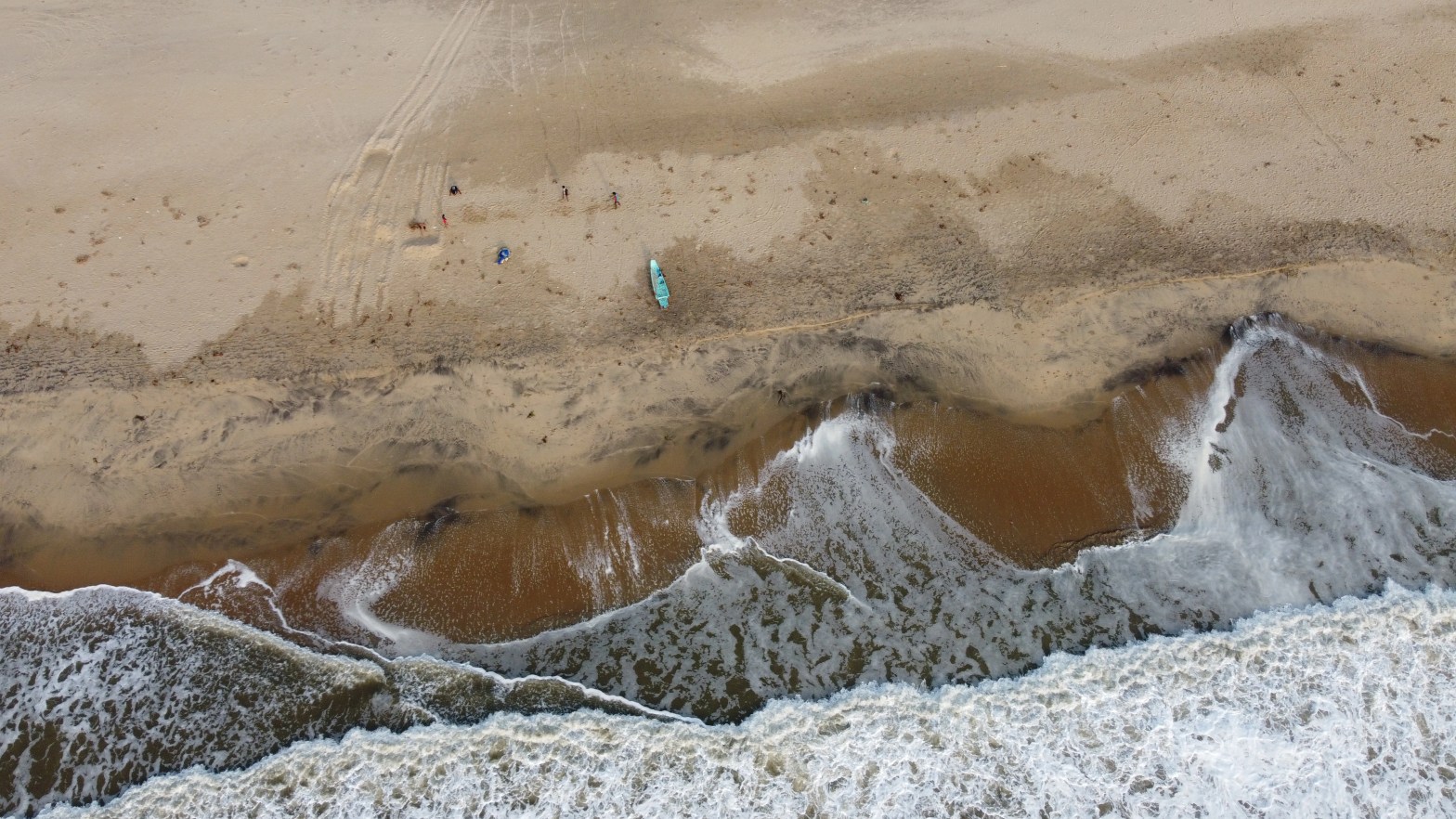
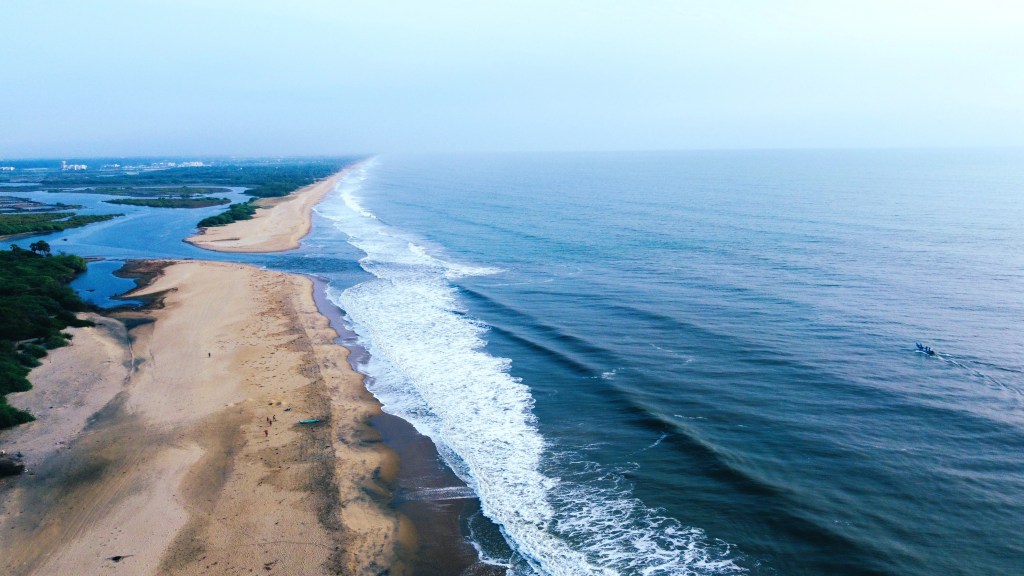
Prologue:
Welcome to Tharangambadi, the Land of Singing Waves! Previously known as Tranquebar, this beautiful coastal town of Tamilnadu, Indi has a fascinating history as a Danish settlement. It’s not too far from Pondicherry and has a lot to offer.
Before We Start: If you prefer to watch our visual story on Tharangambadi, then please click here!
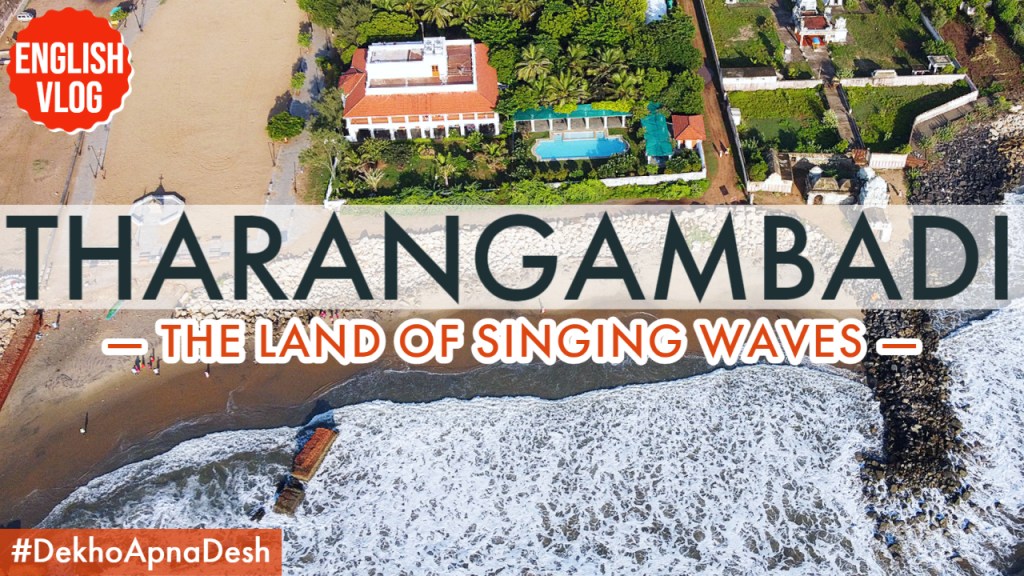
Visiting this unique beach destination has been a dream of mine for a long time, mainly staying in an old Danish bungalow right on the beach! So, this time we planned a road trip from Bangalore, and everyone was excited!
The Drive from Bangalore to Tharangambadi: It took us about eight and a half hours to drive from Bangalore to Tharangambadi, and the road was pretty good. We took a break for breakfast in Salem, which was a nice little pit stop along the way. It was great to fill our tummies and recharge before continuing our journey.
The Bungalow on the Beach Heritage Stay
After arriving in Tharangambadi, we checked into the “Bungalow on The Beach,” a highly sought-after property that’s notoriously difficult to book. I had been trying to secure a reservation for quite some time, and finally, luck was on my side this time! This bungalow, which dates back to the 17th century and used to be the residence of a Danish collector, has been beautifully restored by the Nimrana group and transformed into a Heritage Hotel in 2004.
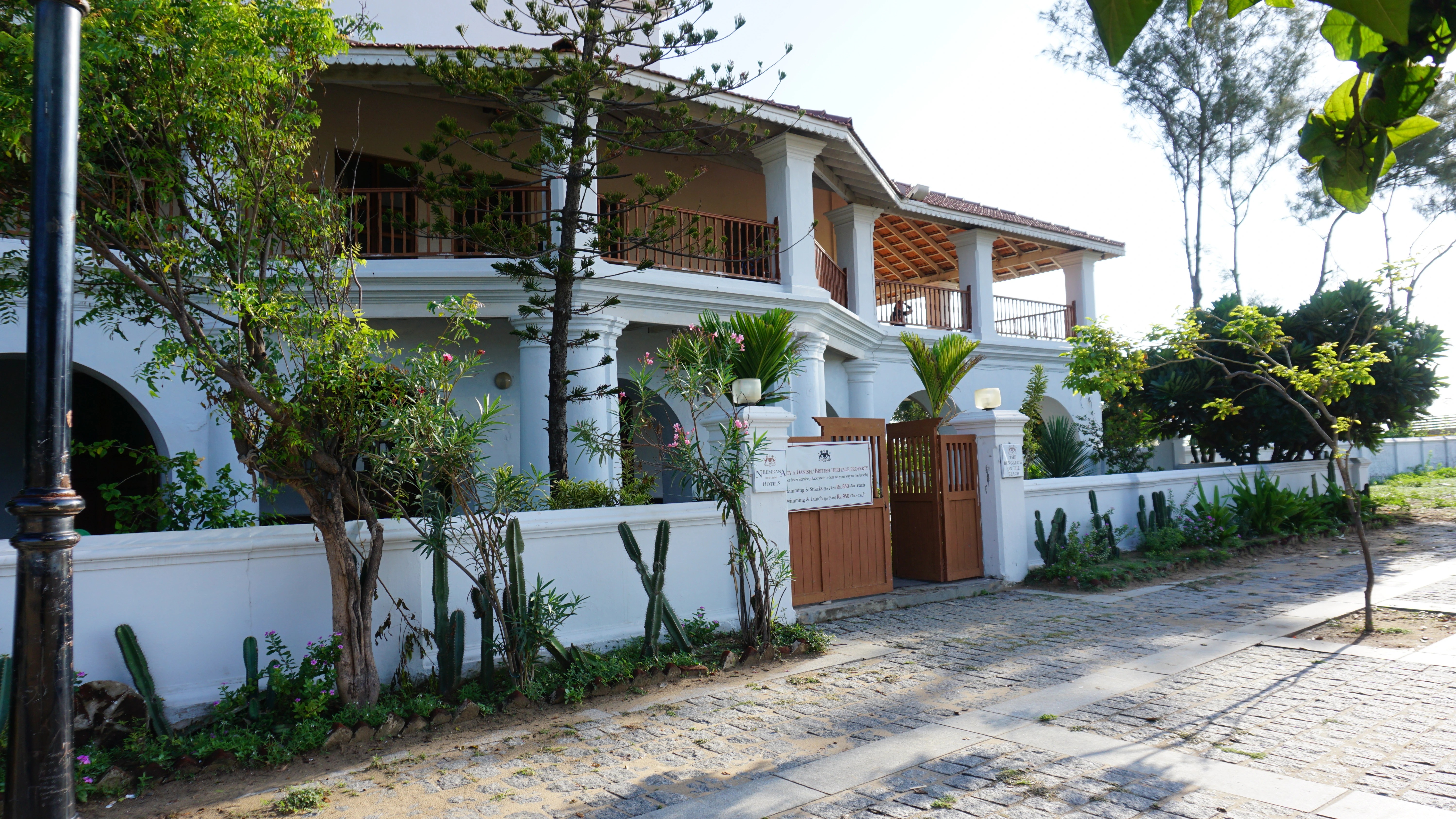
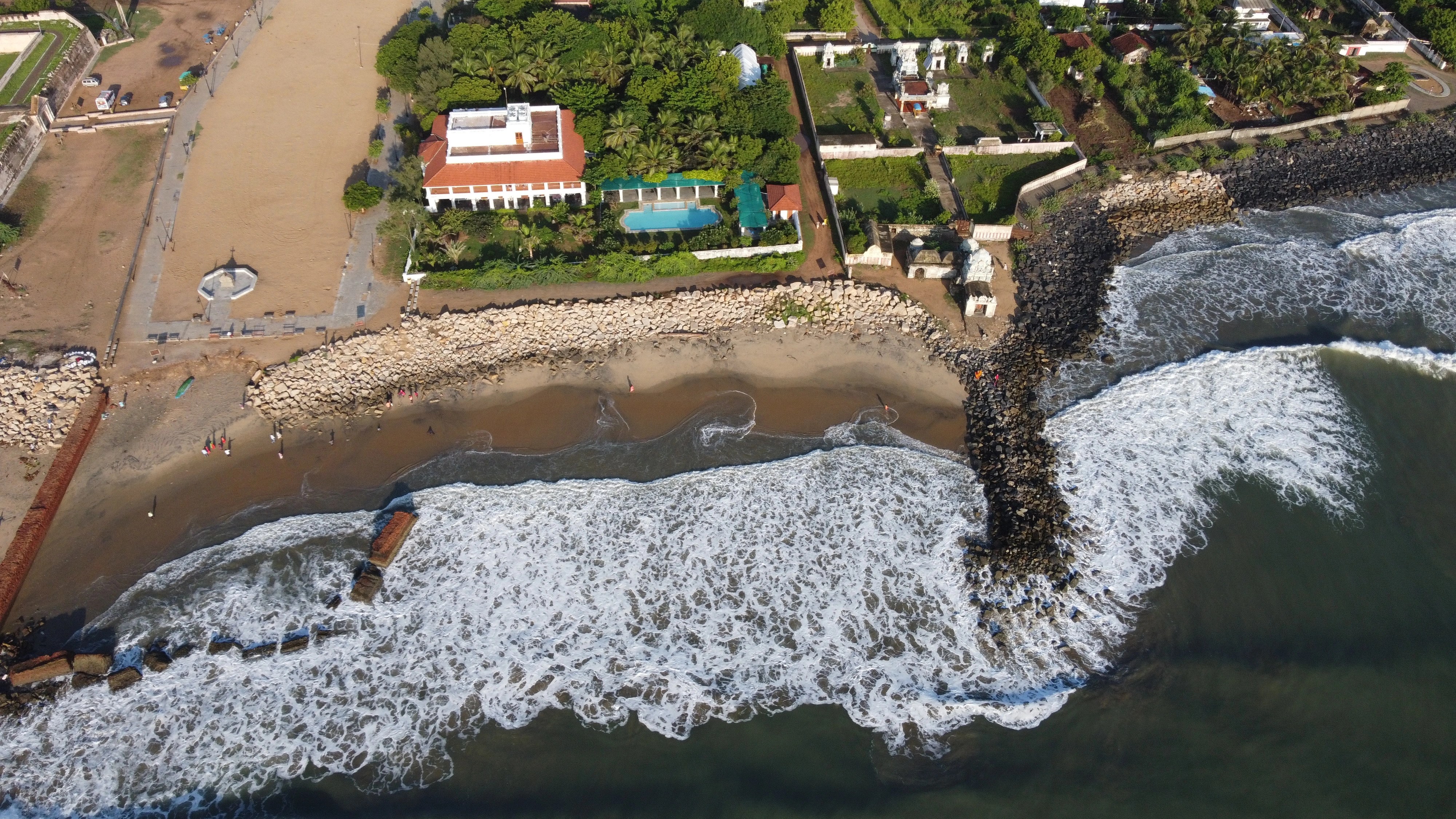
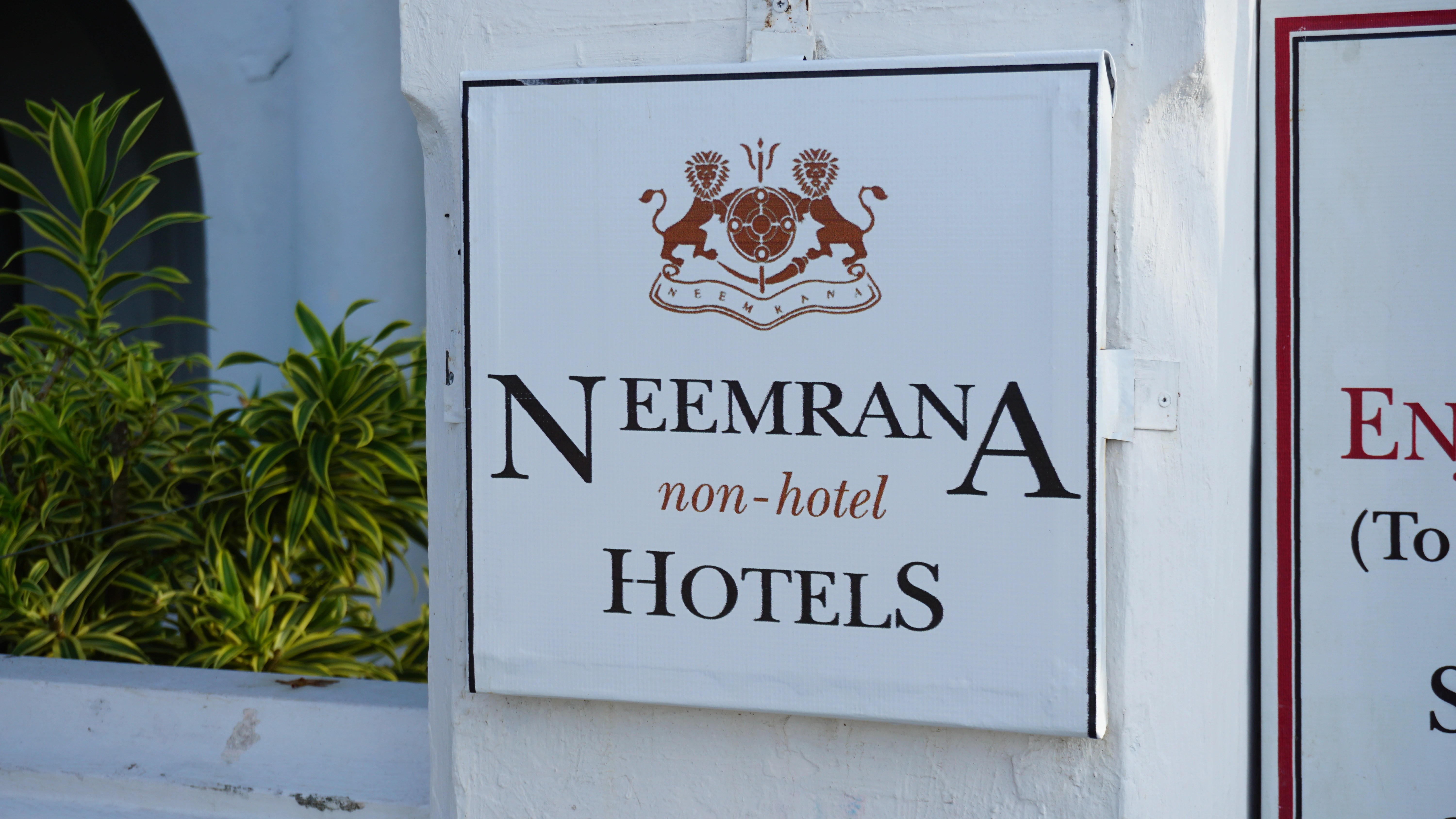


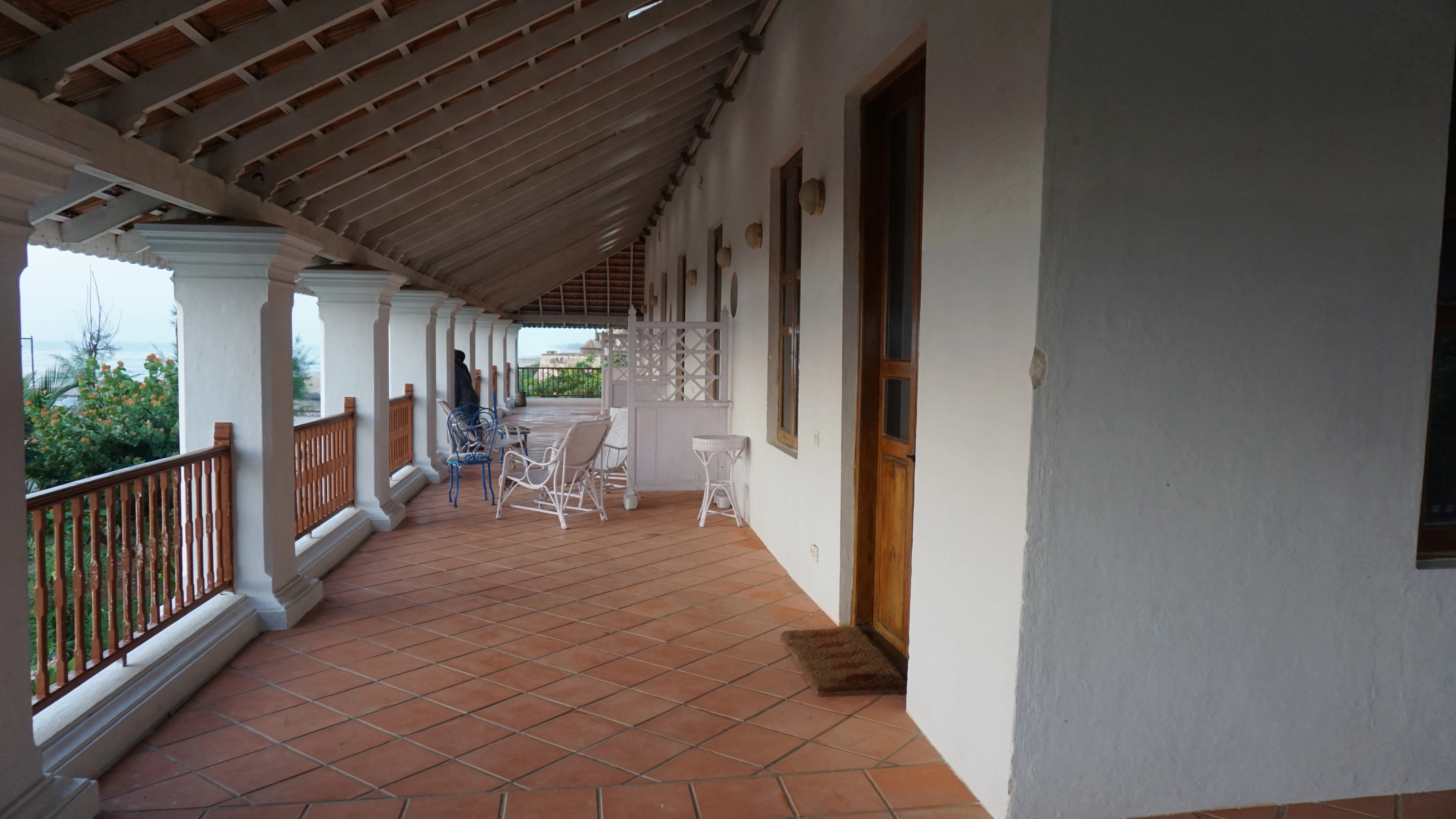
Despite the addition of modern amenities like air conditioning and a swimming pool, the property has managed to retain its old-world charm. As the name suggests, it is situated right on the beach, making it undoubtedly the best place to stay in Tharangambadi. We chose the Queen Anna Sofia room on the first floor as our base. It was impeccably clean, adorned with antique furniture, and adorned with captivating old paintings. The lofty ceiling added a touch of grandeur, making us feel like royalty. However, the highlight of this room was the attached verandah that overlooked the sea!
On our way, we called the property to place our lunch order. It turned out to be quite delicious! Our initial plan was to explore the beachside after resting for a while. However, heavy rainfall prevented us from venturing out. Nonetheless, witnessing the rain pour over the sea from the verandah was incredibly fulfilling, especially when accompanied by a steaming cup of chai, pakoras, and the company of good friends!
After a leisurely evening, we enjoyed a delightful dinner and retired early for the night.
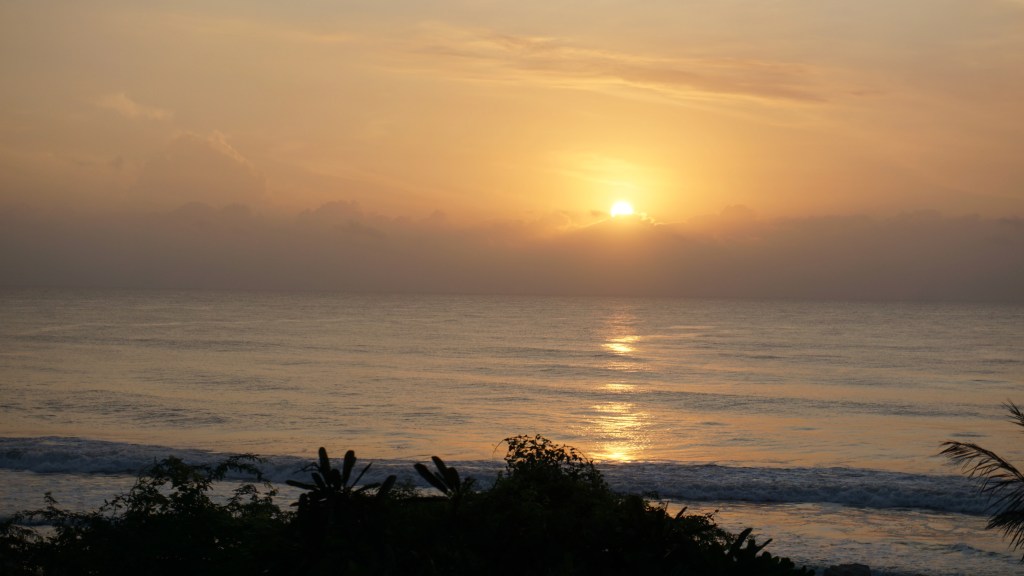
The next morning, everyone woke up bright and early to catch the sunrise. It was a breathtaking sight! We were fortunate enough to witness the astonishing sunrise right from the balcony itself.
For those who didn’t have a sea-facing room, the terrace offered a splendid view of the sunrise. Even if you’re staying at The Bungalow, I highly recommend stepping out onto the beach to fully immerse yourself in the experience.
Morning Walk on Tharangambadi Beach!
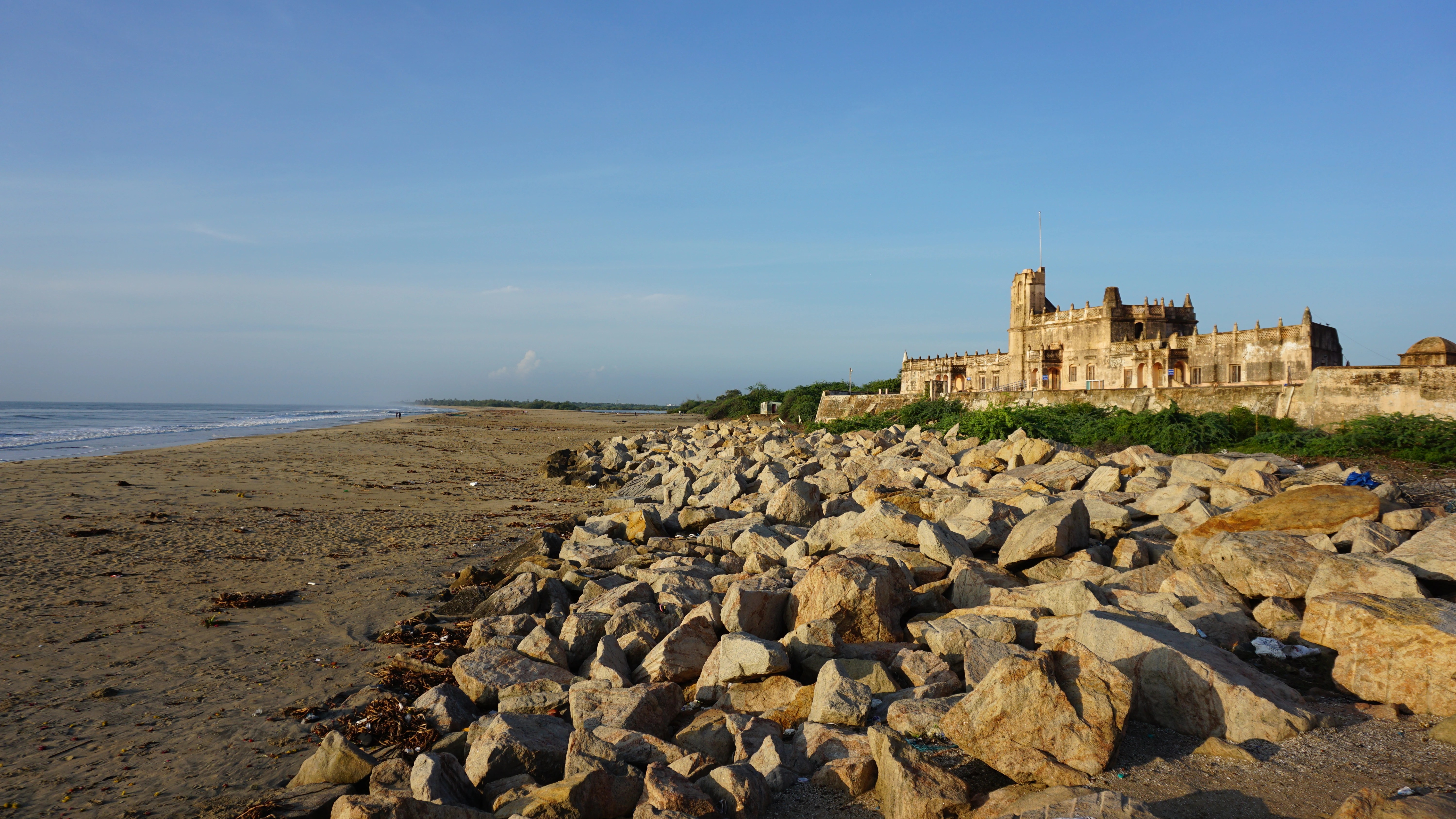
During these early morning hours, Tharangambadi Beach was peaceful and devoid of crowds, enhancing its natural beauty. This beach is renowned for being one of the most ozone-rich places on Earth, and you can truly feel the positive energy radiating from it. We had an incredible time here, soaking in the serene surroundings and even making new friends along the way.


Visiting Dansbourg Fort
The Danish East India Company was established in 1620 with the aim of conducting spice trade in the Indian subcontinent. They arrived in this region of India and, after acquiring land trading and tax collection rights from the Nayakas of Tanjavur, the Danish constructed the imposing Dansbourg Fort, which happens to be the second-largest Danish fort ever built.
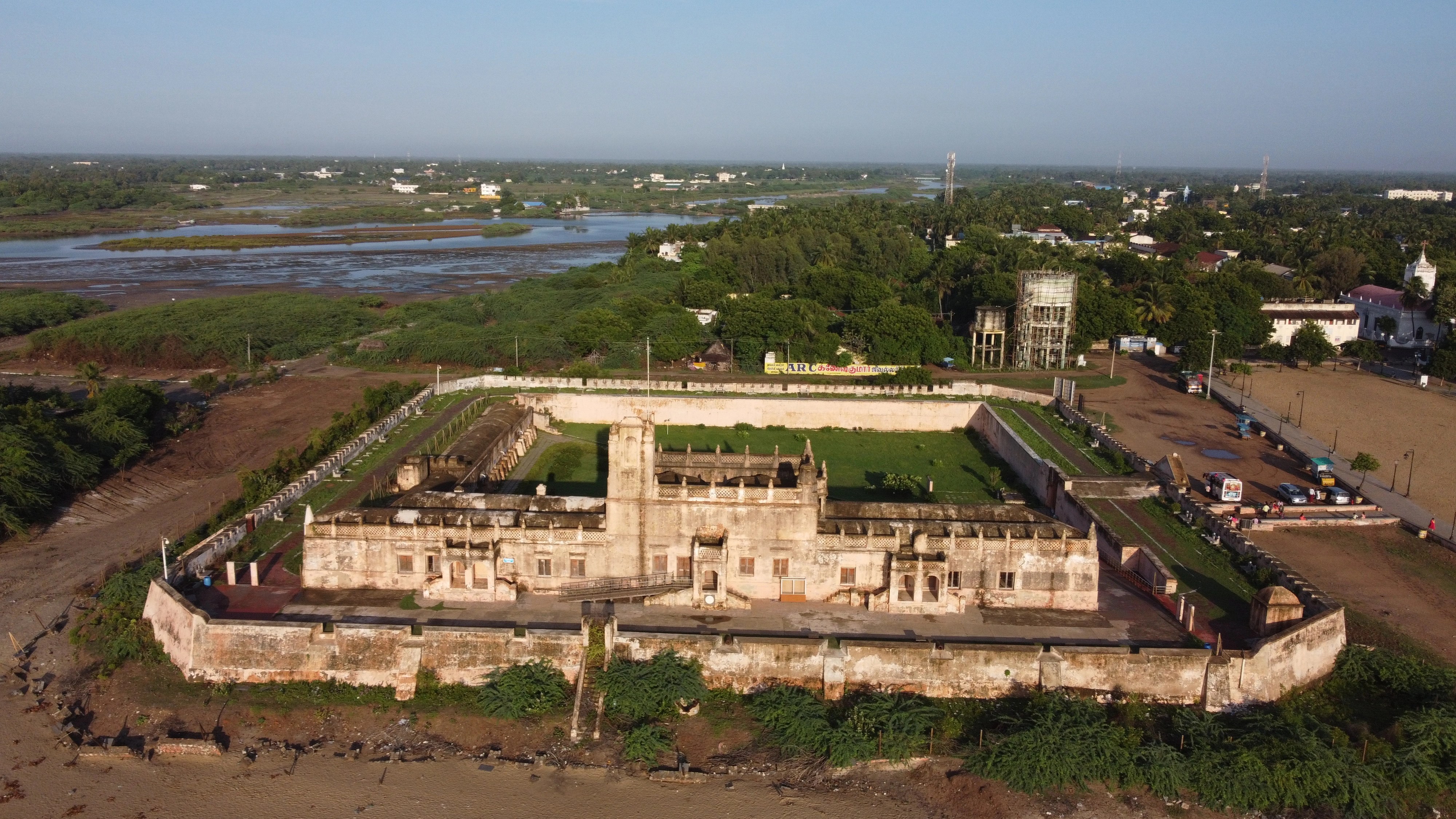
Today, the fort has been transformed into a captivating public attraction. Inside, there is a small museum that delves into the history of Danish India, showcasing artefacts from that era as well as contemporary times.
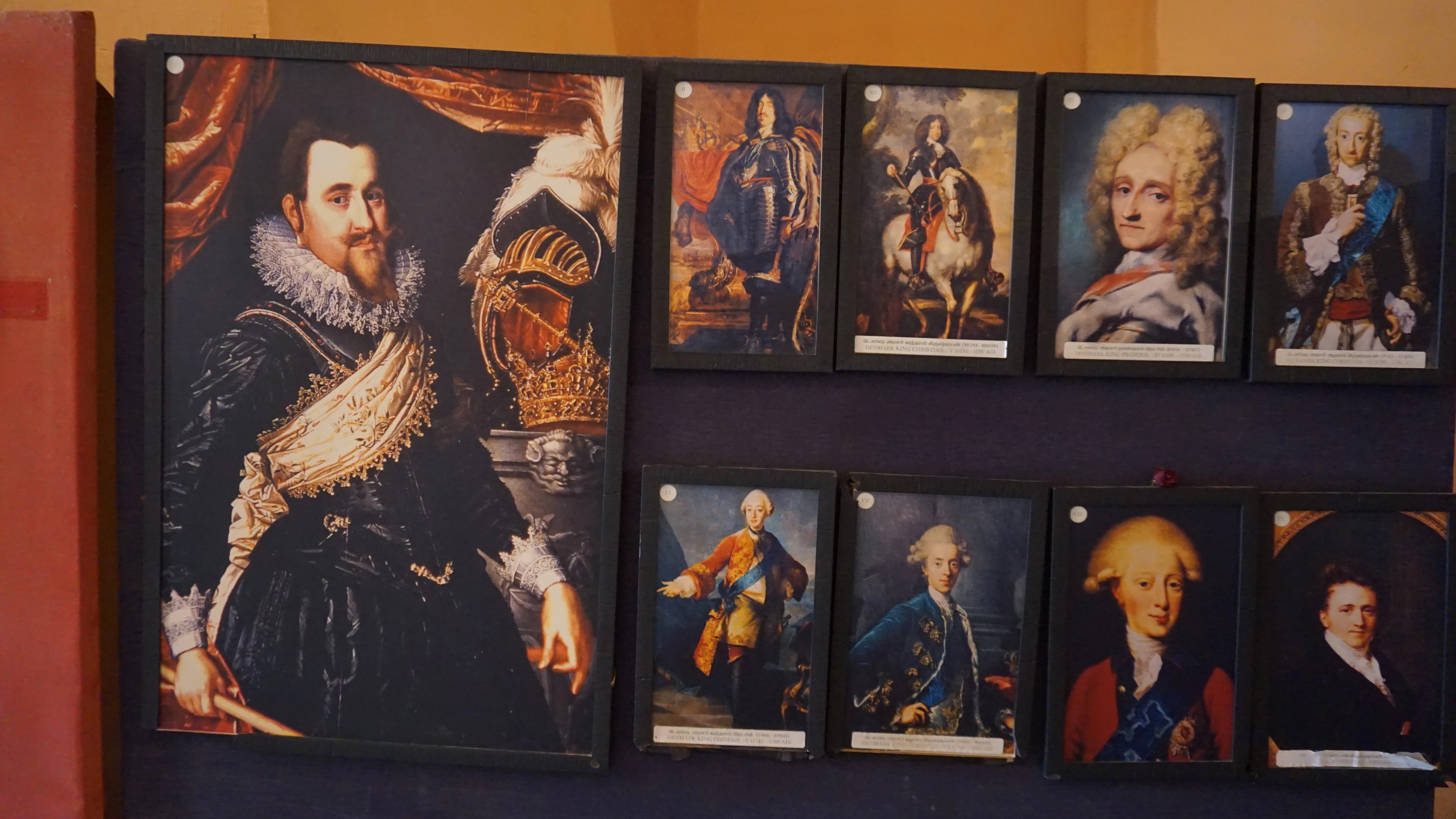


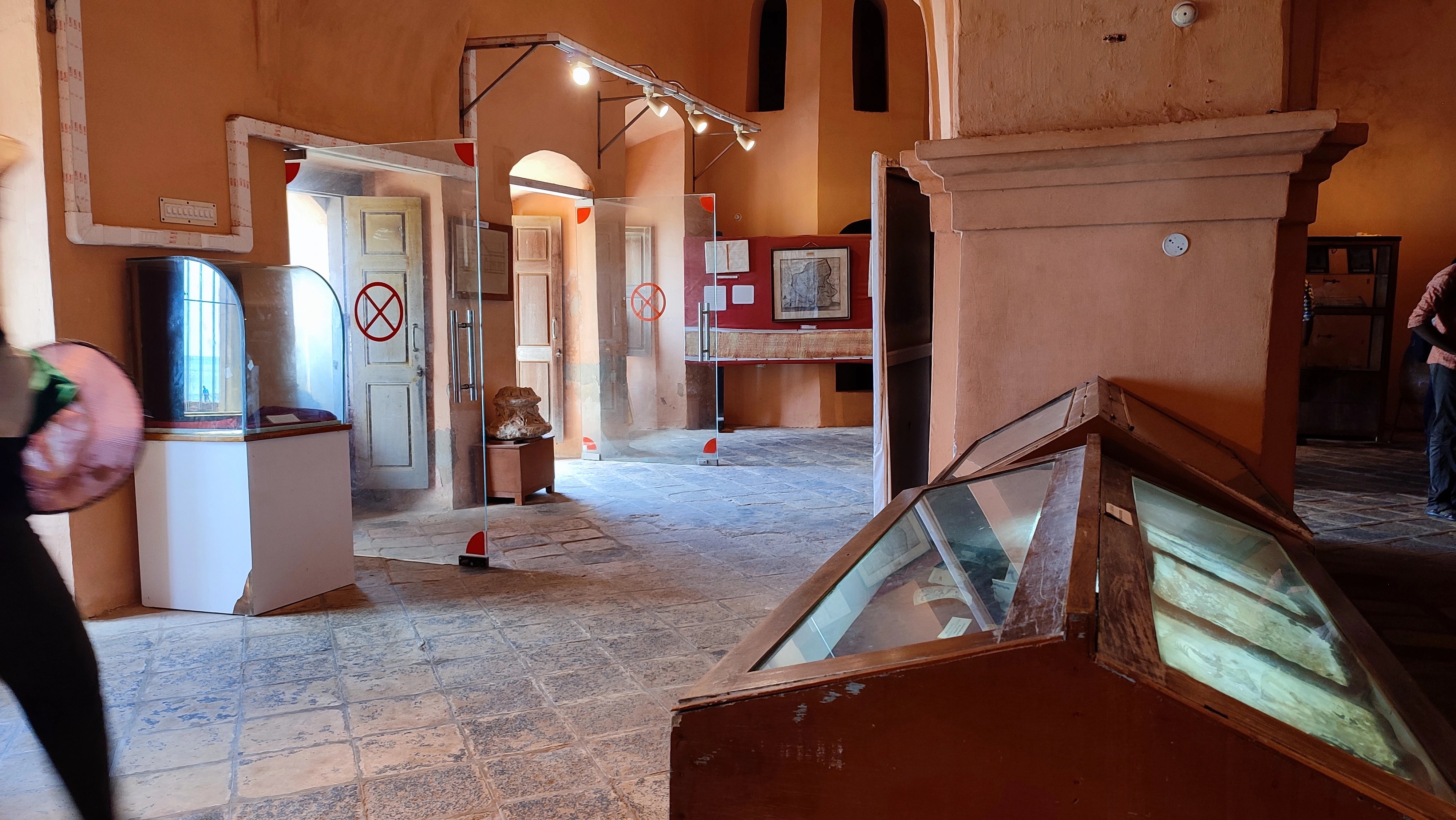
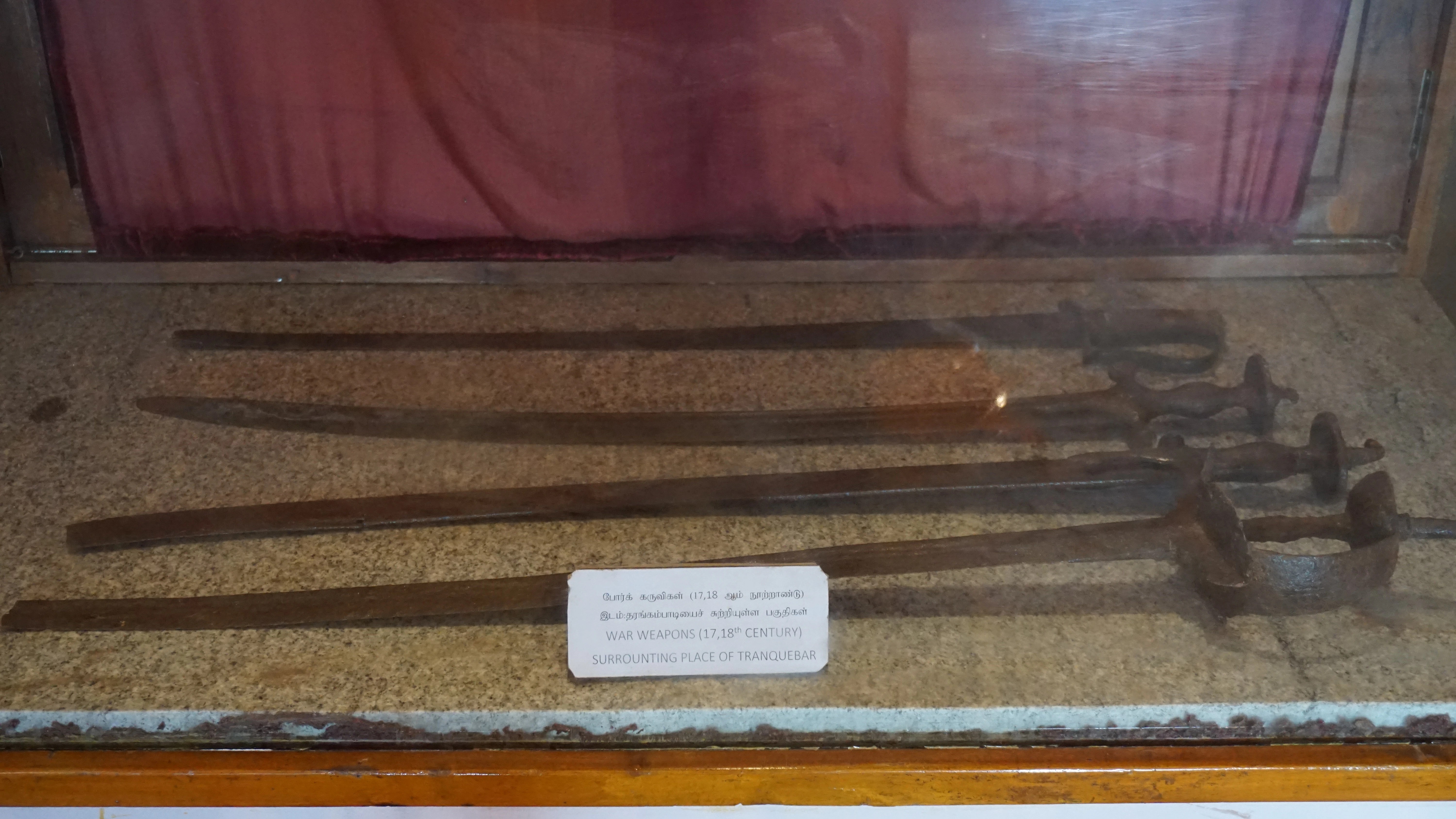
The fort consists of two levels. The second level was reserved for the governor, priests, and other high-ranking officials, while the first level primarily housed foot soldiers and guards. It features various rooms such as storehouses, prisons, warehouses, and even a wine cellar.
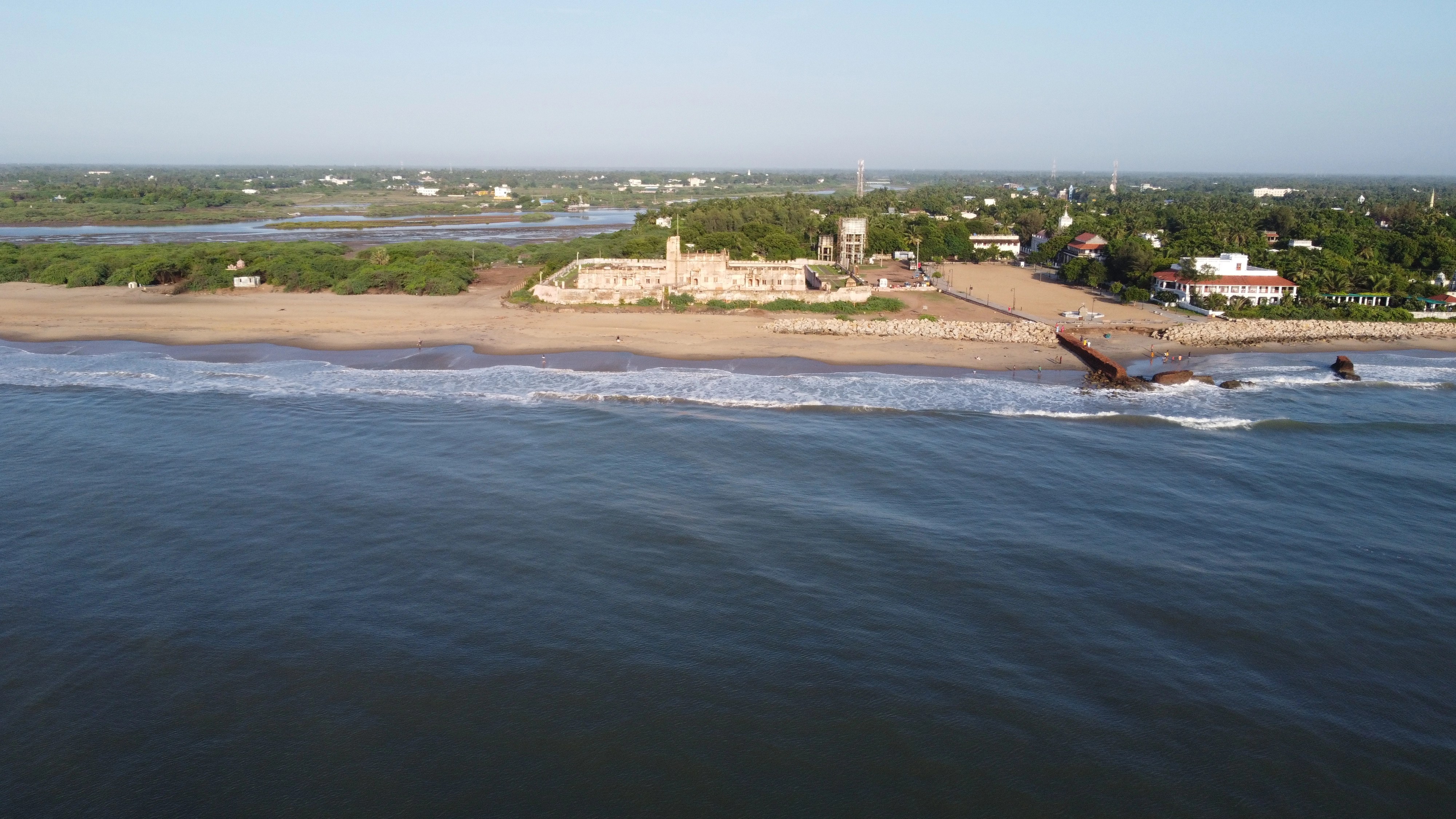
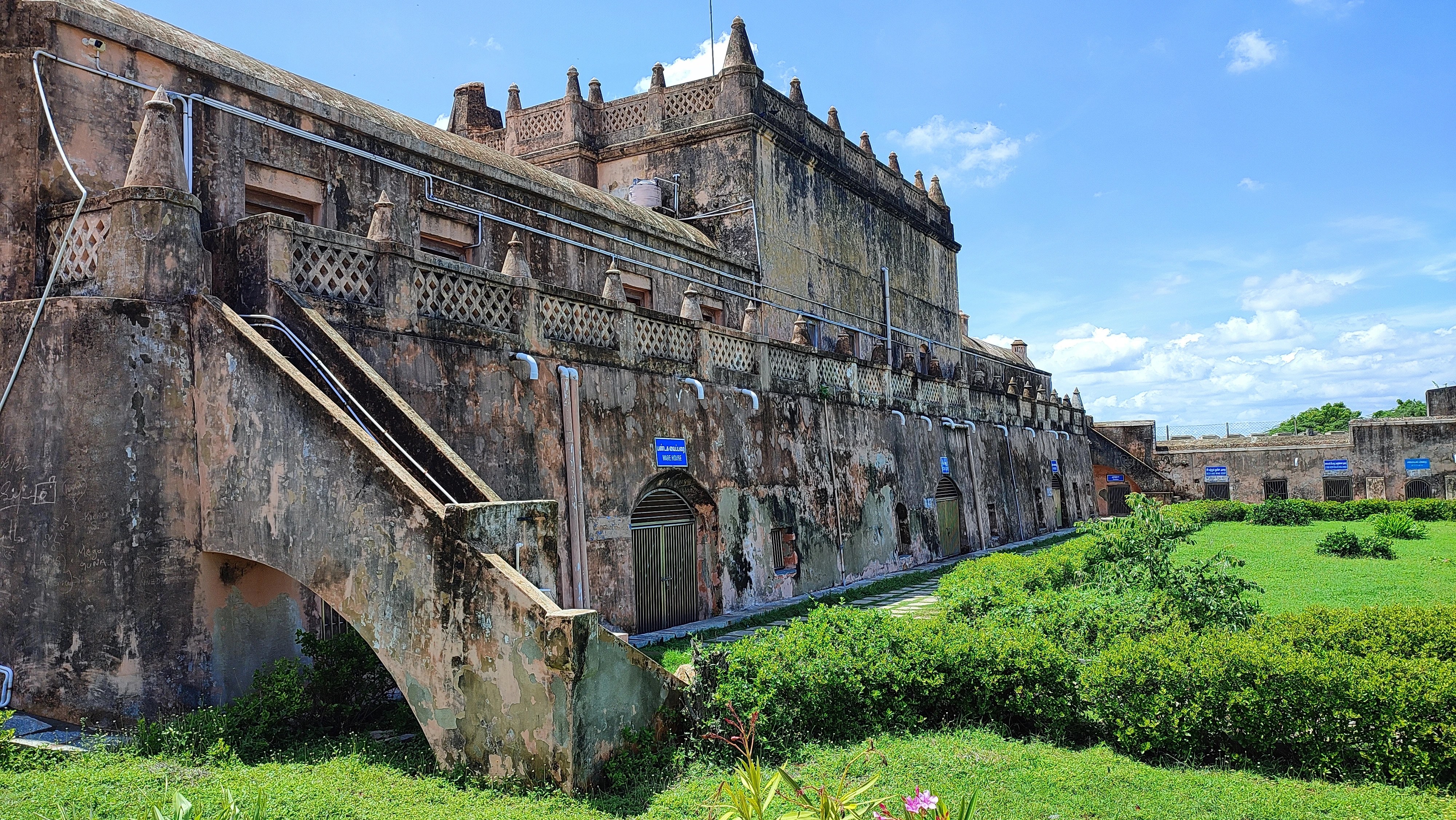
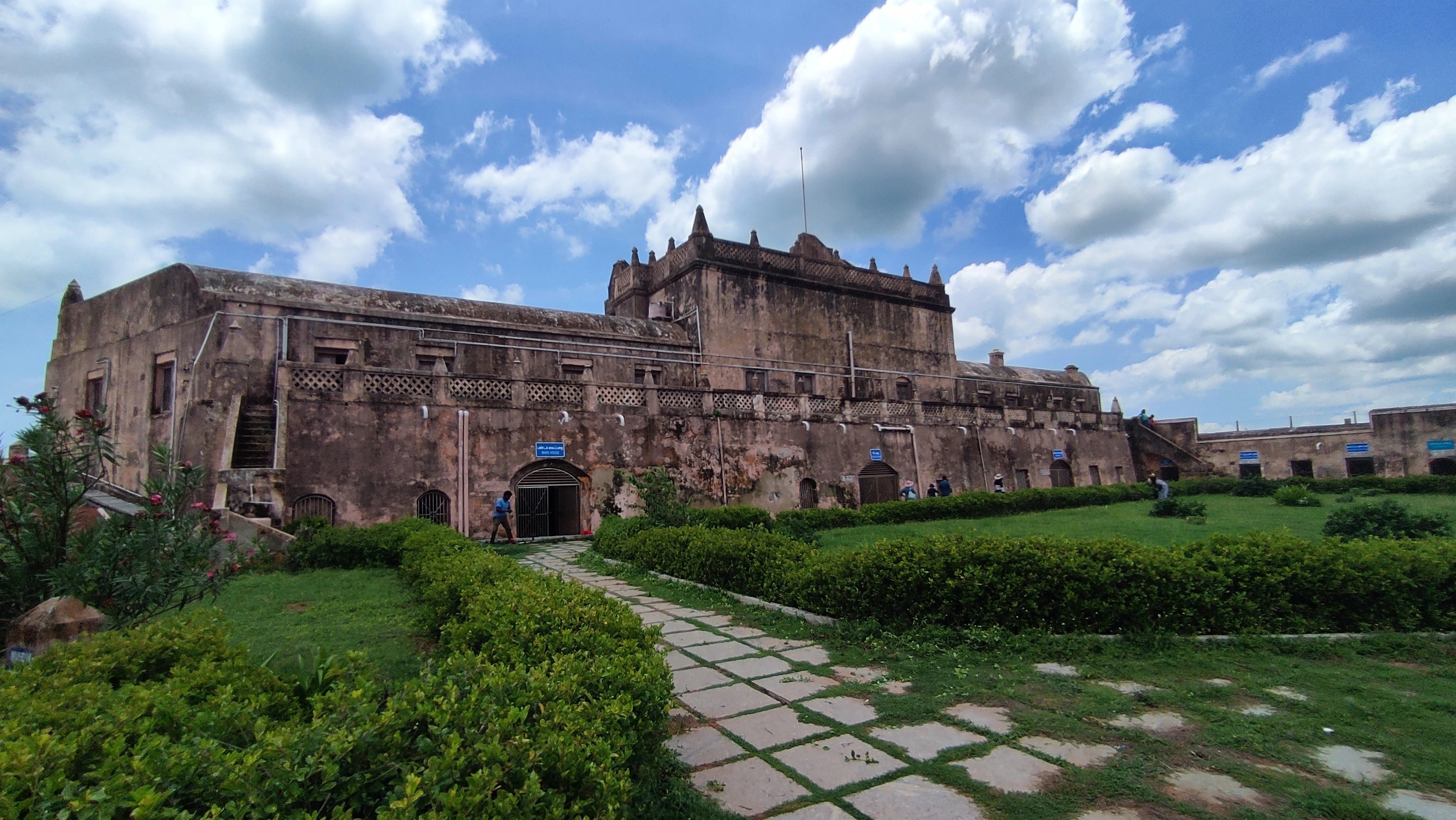
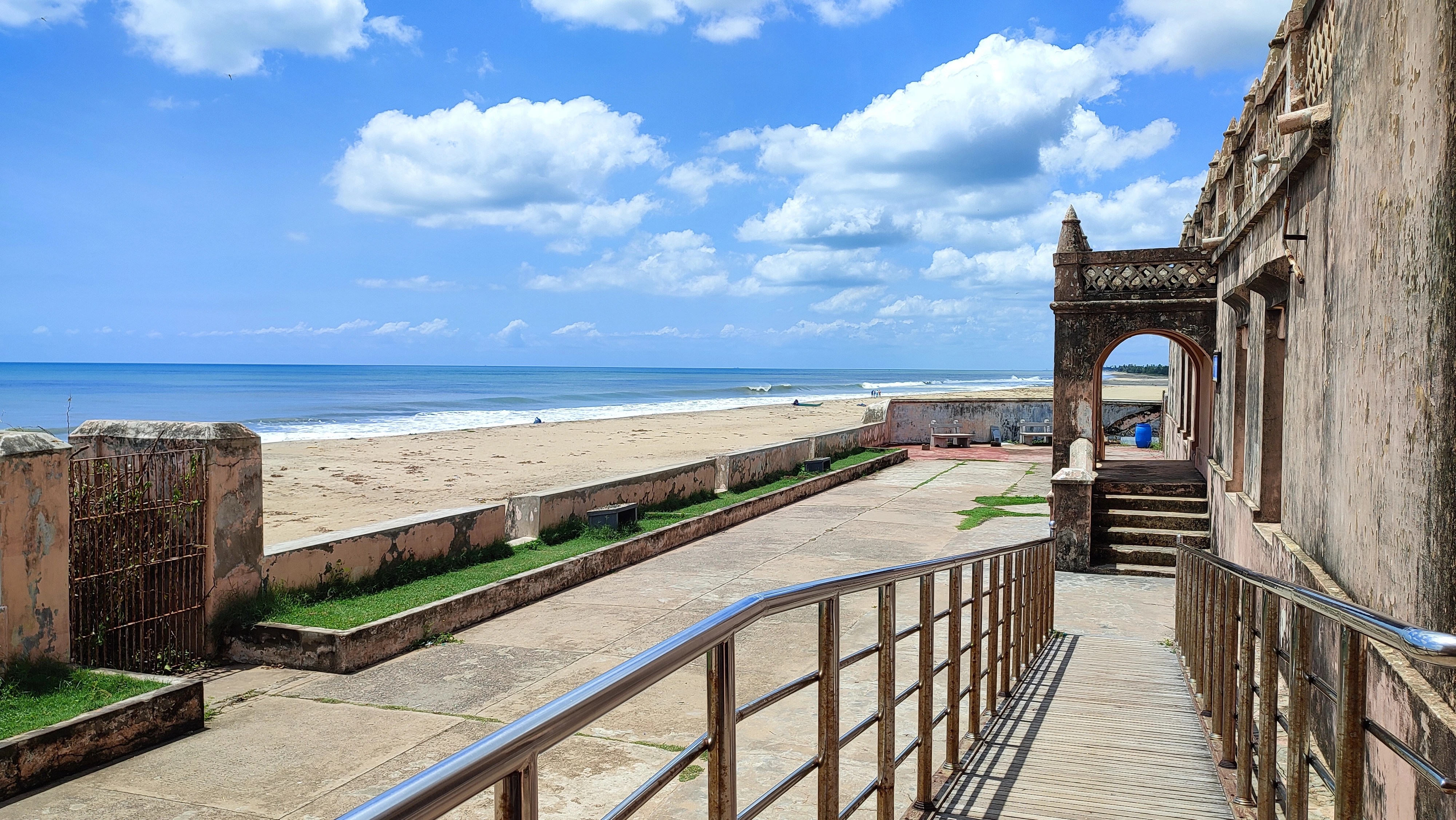
Dansbourg Fort stands as a testament to the ambitions of the Danish East India Company, even though their venture in India did not ultimately prove successful. They eventually sold all their settlements, including Srirampur in West Bengal and Tharangambadi, to the British.
Danish-Indian Culture Centre Maritime Museum
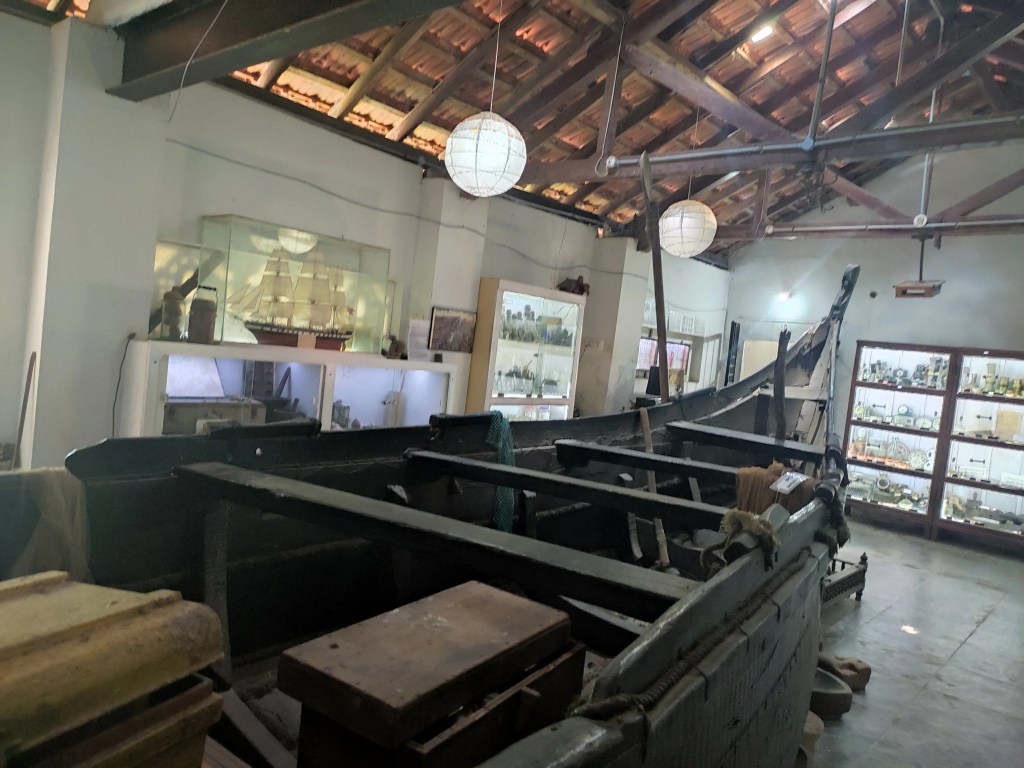
Located right next to the governor’s bungalow, the Danish-Indian Culture Centre Maritime Museum is a private museum that serves as a hub for Danish-Indian cultural exchange. It houses a library and consists of a couple of rooms displaying a few select items. While it may not be a must-visit if you’re short on time, it offers insights into the shared history between Denmark and India.
By this time, the kids were itching to head to the beach and splash in the water! We quickly returned to the bungalow, changed into our beach attire, and made our way straight to the shoreline. It was a joyous experience to bathe in the sea, especially since there were only a few people around. The water was refreshing, but the waves were quite strong. I must advise caution, as I wouldn’t recommend going too deep into the water or attempting to swim, as it didn’t feel entirely safe
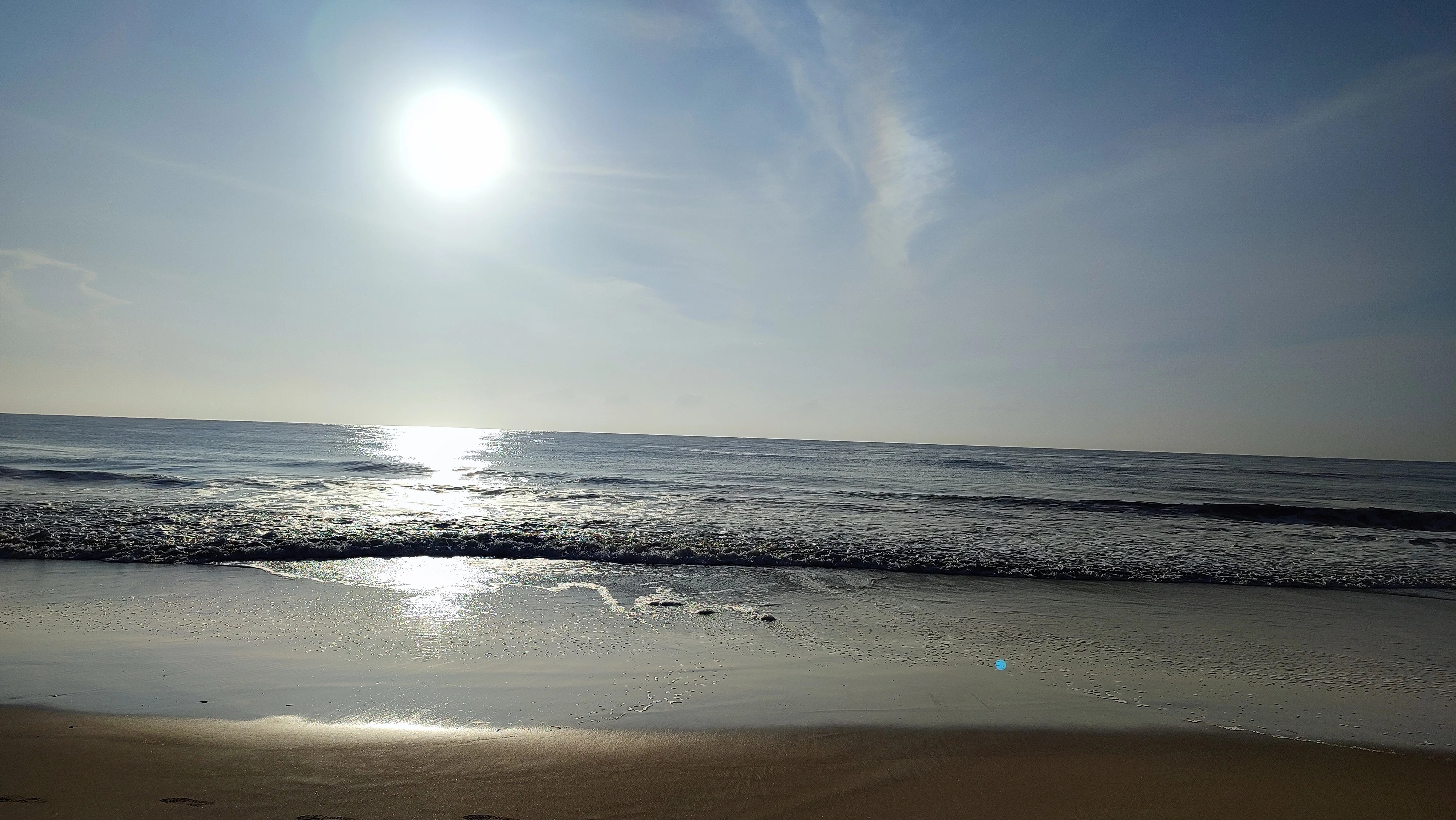
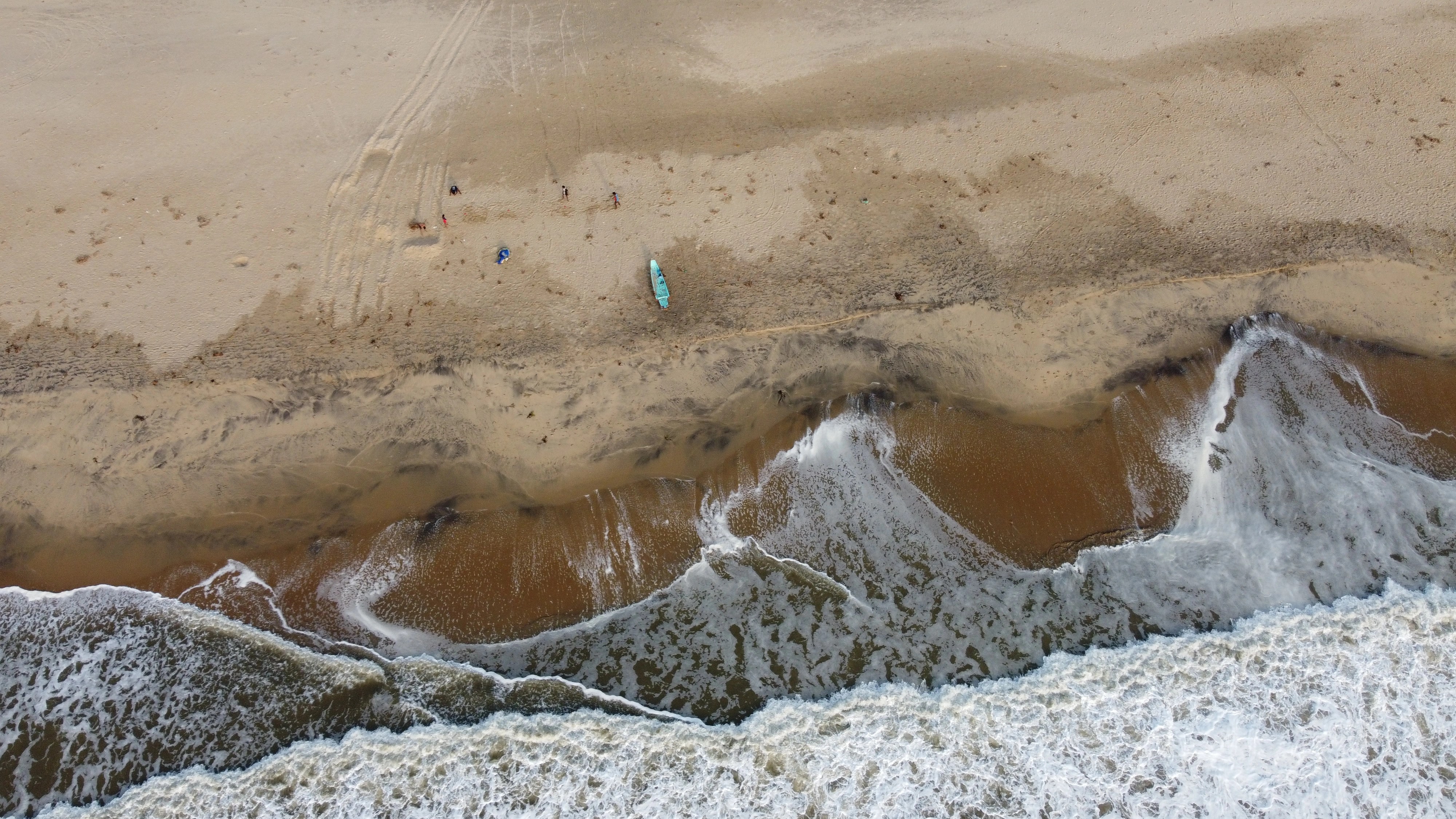
After spending a delightful time in the sea, we returned and enjoyed a scrumptious lunch of fish curry and rice. It seemed that the place was operating with limited staff due to the post-COVID situation, resulting in slightly delayed service. Nevertheless, the dedicated staff did their utmost to provide a good experience.
Following lunch, we took some rest and then set out to explore the charming town of Tranquebar, also known as Tharangambadi!
Tharangambadi aka Tranquebar Town Walk
During our visit to Tharangambadi, we took a leisurely stroll through the idyllic streets of the town, where numerous old European-style buildings and relaxed neighbourhoods exuded a chilled-out vibe. For street photographers, the place offered an abundance of captivating subjects to capture.
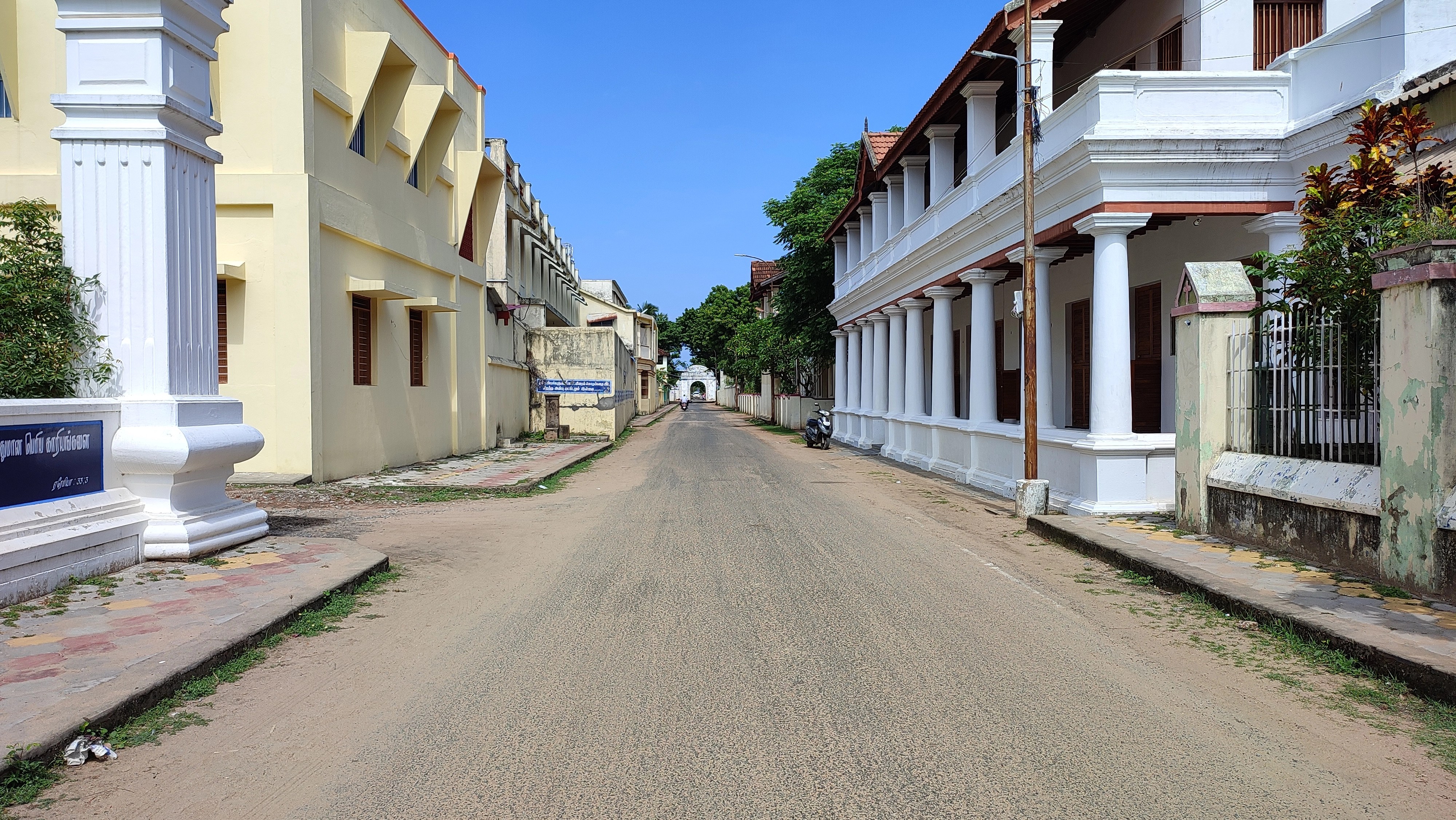
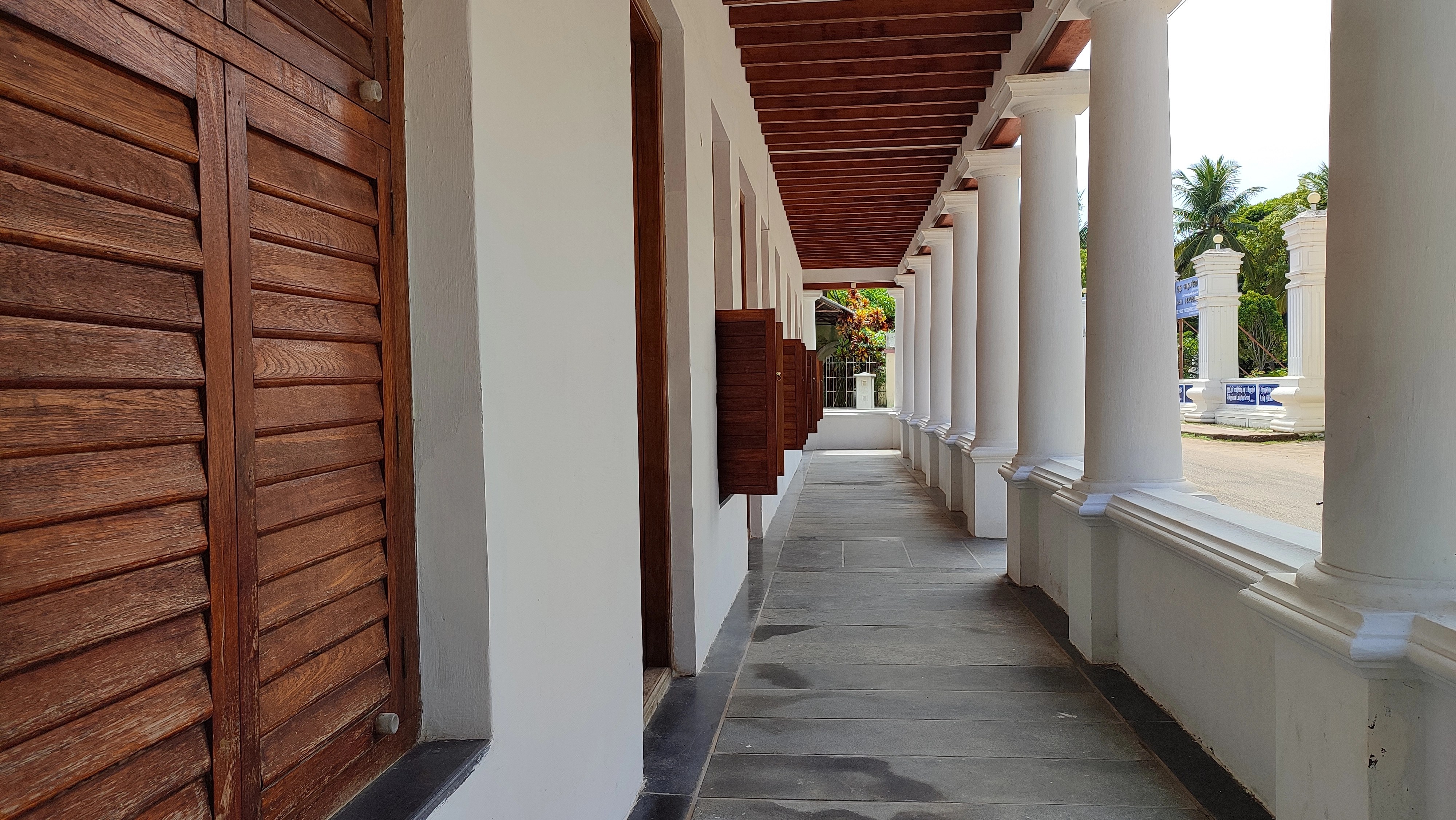
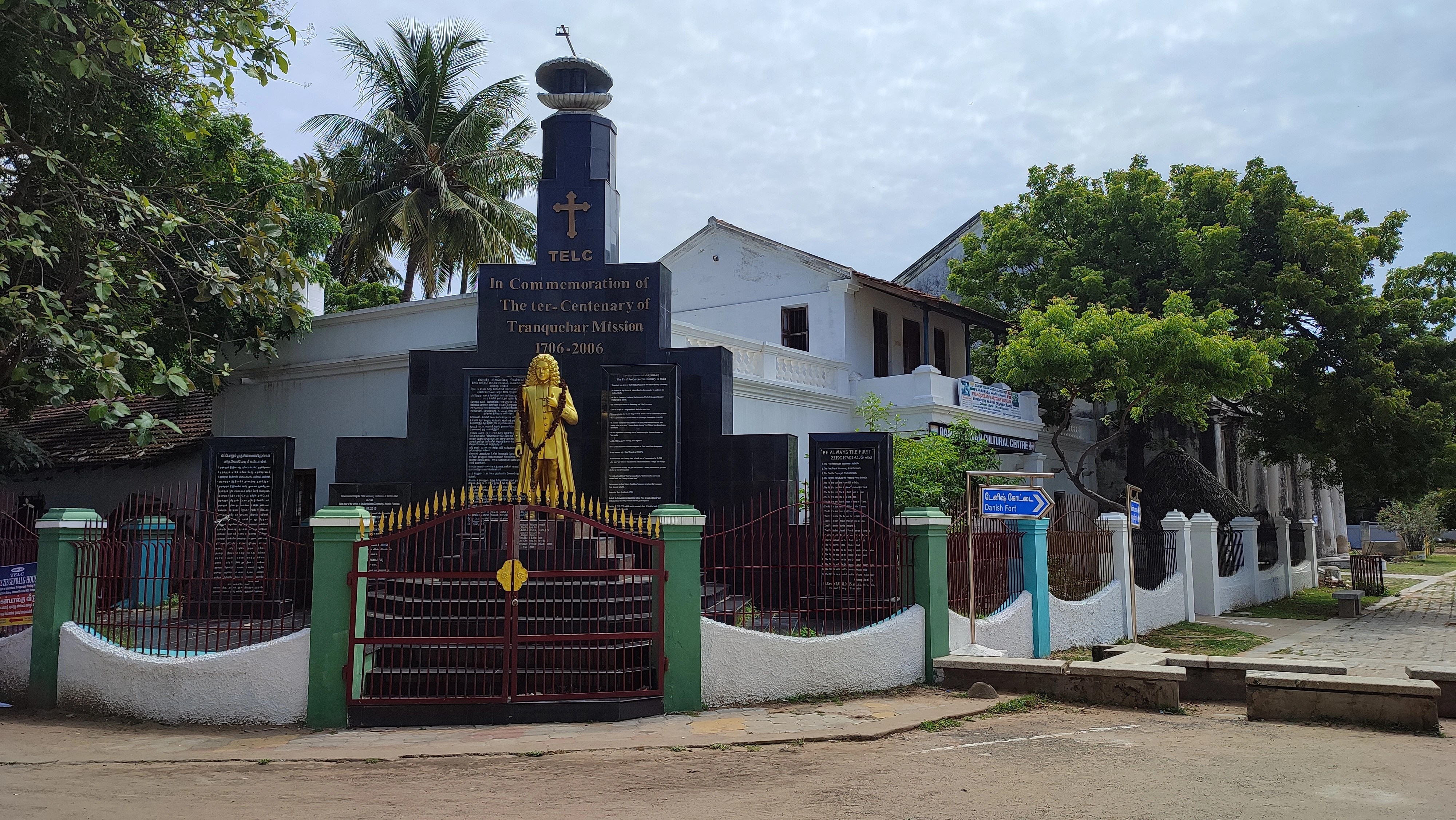
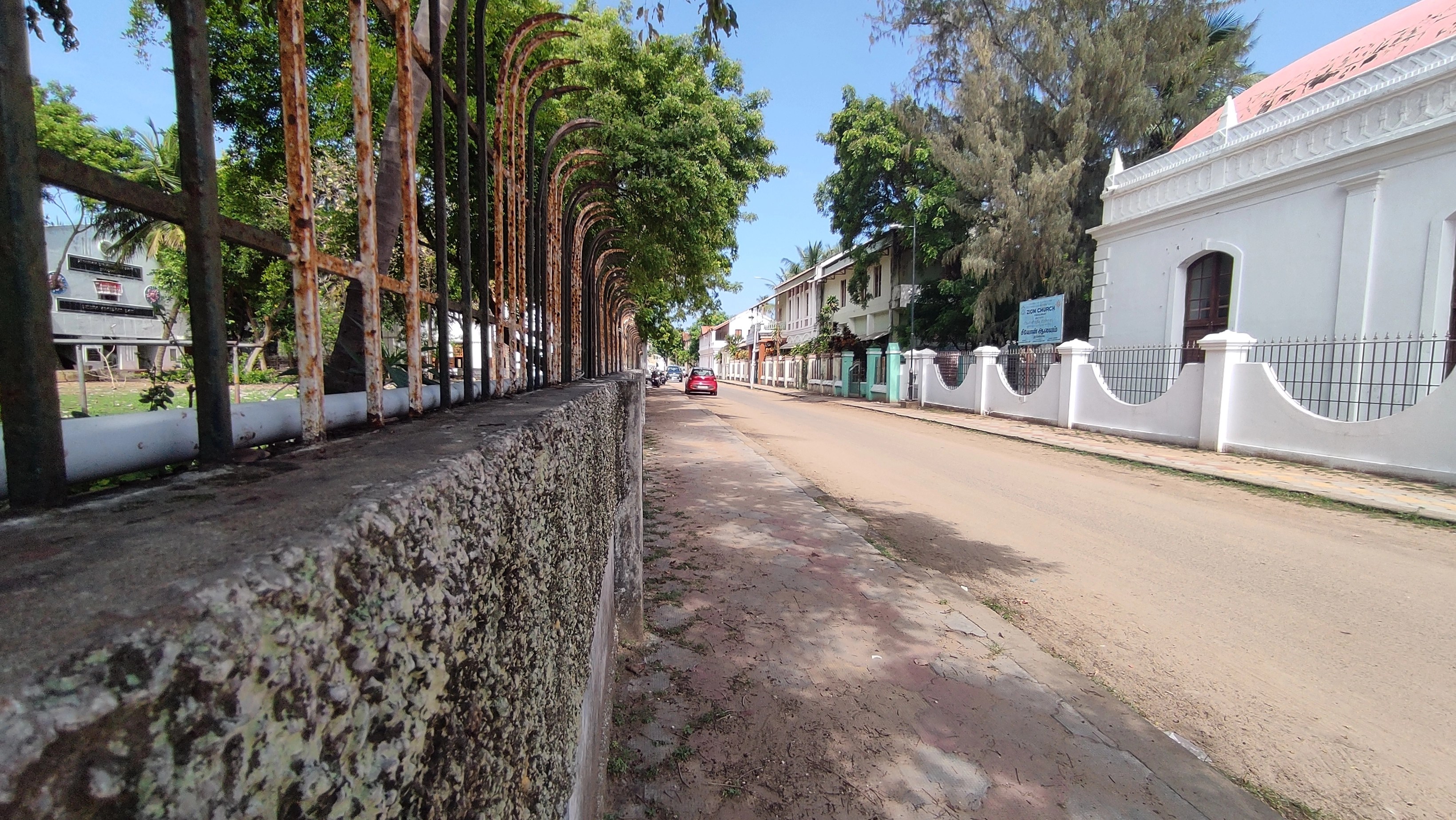
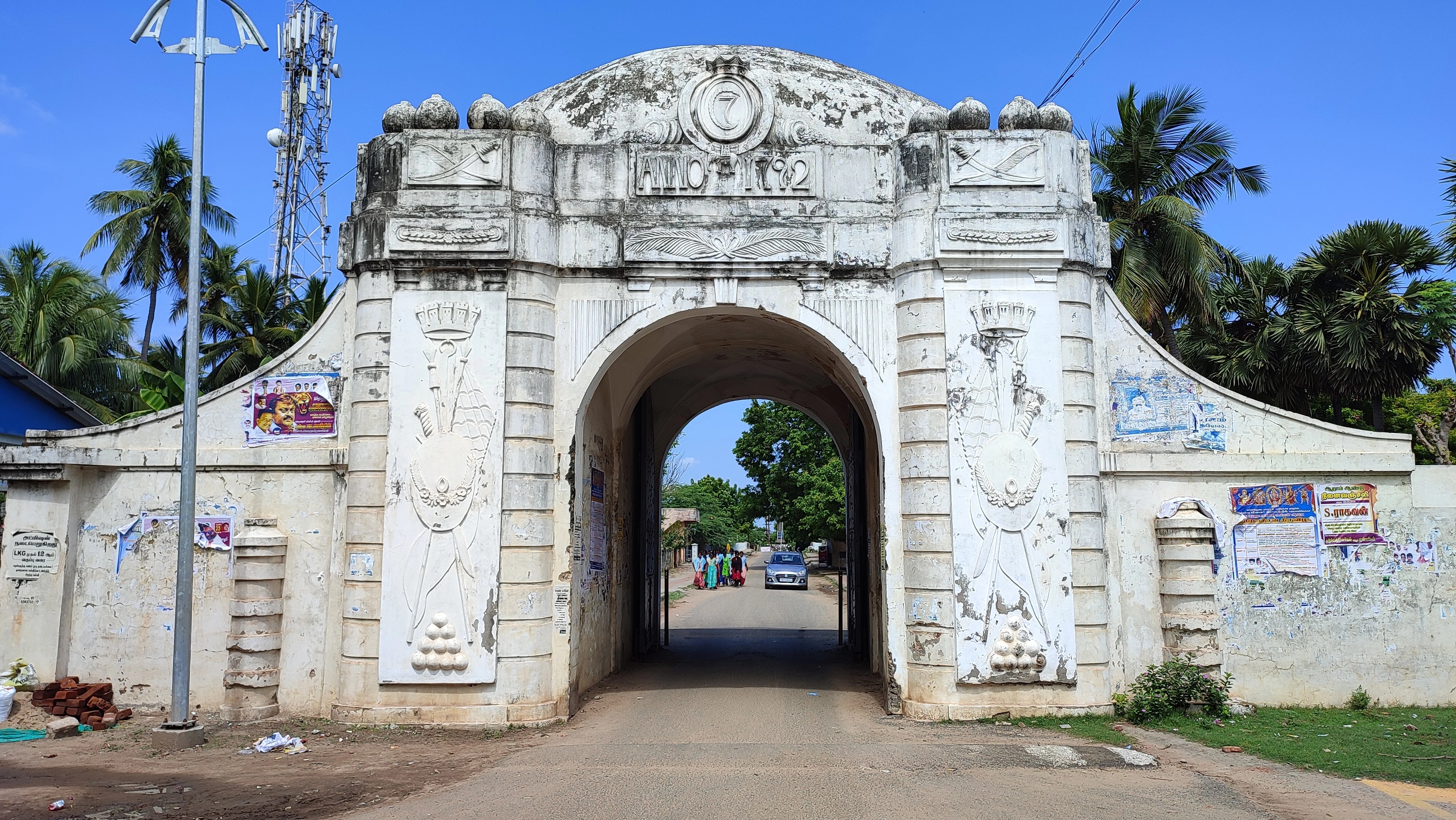
One notable landmark we encountered was the Old Town Gate, which served as a separation between the European block and the rest of the area. It proudly displayed the insignias of the Royal Danish Court, adding a touch of historical significance to the surroundings.
Apart from the colonial powers, missionaries from Europe also made their way to Tharangambadi. It was here that the first Bible translation from Latin to Tamil took place, and the first printing press in India was established for printing Bibles. As a result, the town boasts a plethora of churches representing various sects.
New Jerusalem Church:
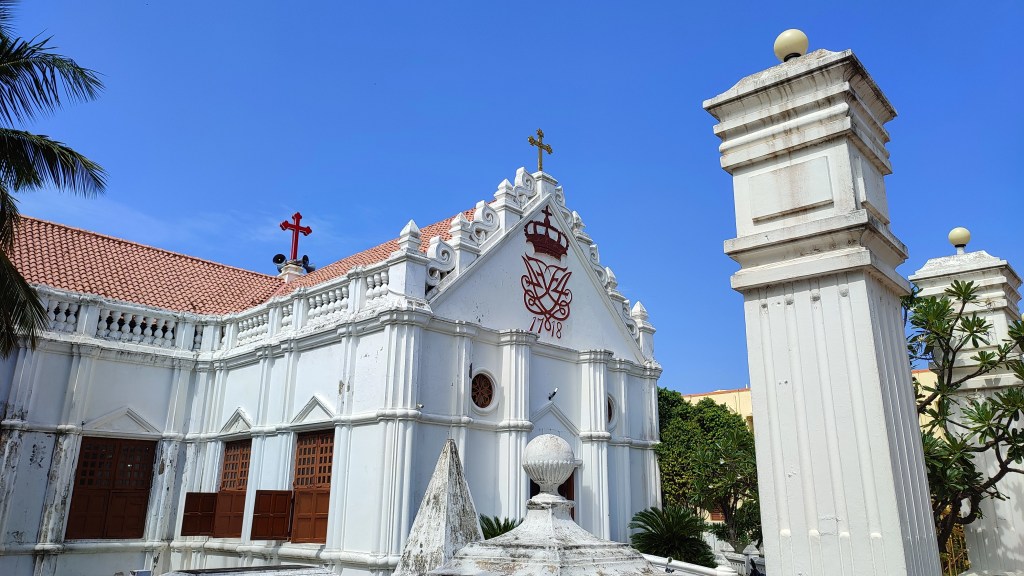
Established by the Tranquebar Mission in 1718, the New Jerusalem Church was built by Royal Danish missionary Bartholomaeus Ziegenbalg in the coastal town of Tranquebar, then a Danish India Colony. Located on King Street, the church conducts services every Sunday. Unfortunately, it, along with other buildings of the Tranquebar Mission, suffered damage during the 2004 tsunami but has since been restored.

Zion Church
Zion Church is one of the oldest churches in Tharangambadi (Tranquebar), a Danish settlement in the Nagapattinam district of Tamil Nadu. Built in 1701 A.D. by Rev. Bartholomaus Ziegenbalg, it holds records dating back to the 18th and 19th centuries. Rev. Ziegenbalg is believed to be the first Protestant missionary in India, and the Zion Church is considered the first Protestant Church in the country. The church remains active, hosting hourly prayers and daily services, and follows the Protestant sect of Christianity.
Tamil Evangelical Lutheran Church:
On January 14, 1919, the Tamil congregations of different German, Danish, and Swedish Lutheran missions joined together to form the Tamil Evangelical Lutheran Church (TELC). In March 1921, the TELC’s constitution was amended to include the structure of episcopacy.
Not limited to Christian churches, Tharangambadi is also home to a very old Shiva Temple of the region.
Masilamaninathar Temple:

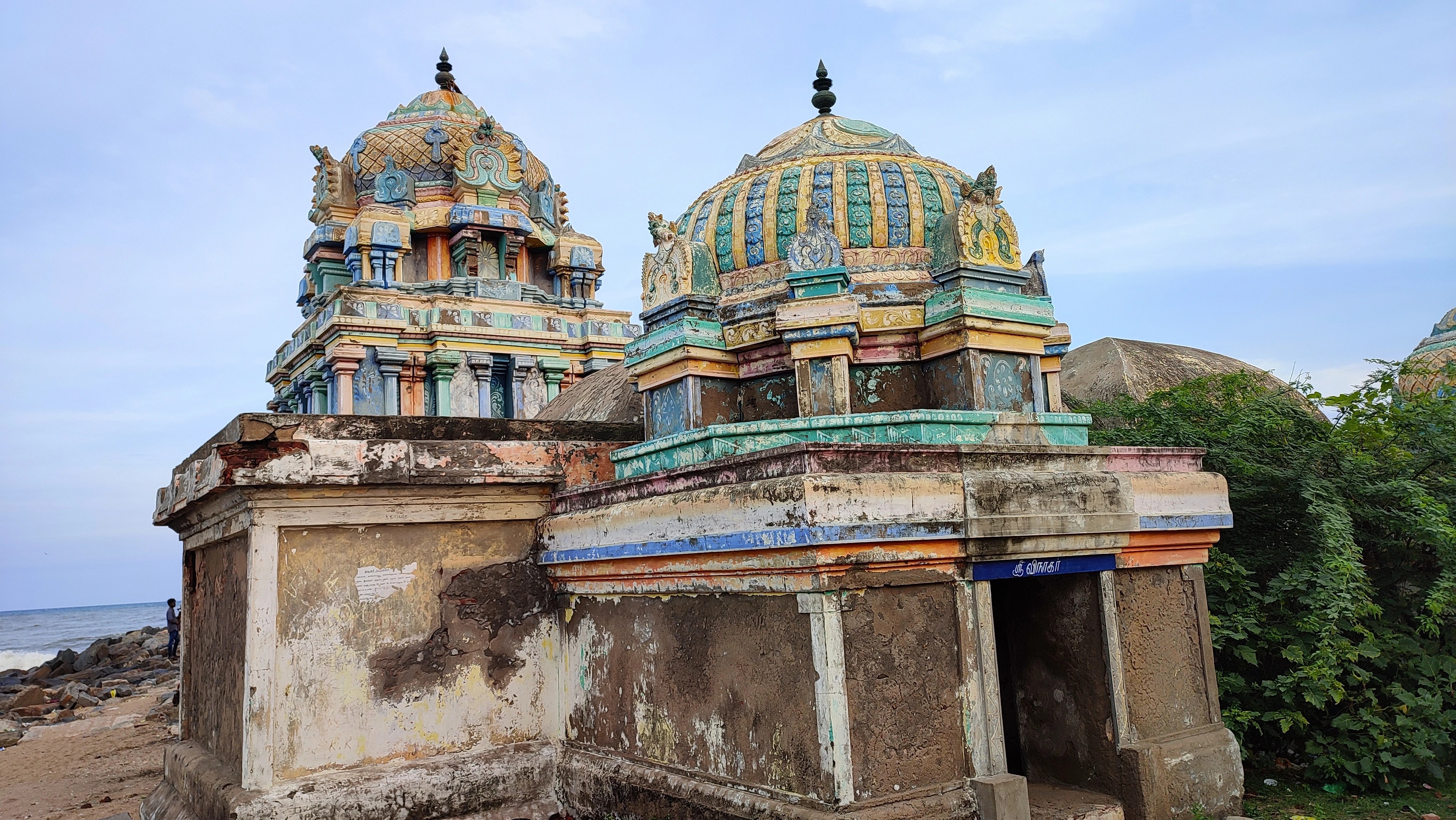
Built by the Pandiyan Dynasty in the 13th century, the original Masilamaninathar Temple was destroyed by the sea. A replica of the original temple was constructed in 2013. The temple’s architecture is distinct, featuring a pagoda style not commonly seen in this part of the country. Many people believe that this architectural style combines elements of Chinese and Tamil art, with the intention of attracting Chinese traders to the area. This ancient temple stands as evidence of Tharangambadi’s importance as a maritime trading post long before European influences.
Blissful Evening by the Sea!
Being on the east coast, we didn’t witness a sunset, but the ambience was delightful. The beach was filled with people enjoying their time with friends and family, creating an overall happy and joyful atmosphere. We couldn’t resist trying some street food from the vendors near the beach, adding to the wonderful experience.
Ending Note:
Our three-day stay in Tharangambadi was truly remarkable and remains one of the most memorable trips in recent times. I constantly search for offbeat destinations and bring travel stories to share with you. If you’d like to read more stories like this, consider following along for future adventures!
LATEST STORIES
-
Phobjhika, the last heaven on earth!
-
Durga Puja 2023 in Bangalore: Must-Visit Pandals! With all details!
-
An Exciting Journey from Phuntsholing to Thimphu: Exploring the Wonders of Bhutan!
-
Lost Danish Heritage of Tharangambadi – Tamil Nadu’s Offbeat Beach and Land of Singing Waves”
-
Now Bhutan Travel is Cheaper for International Tourists!
-
The Ultimate Guide: Traveling to Bhutan from India in 2023!
-
Ankola, the unexplored shore of Karnataka!
-
Is Langkawi Island Hopping Tours Wroth it?
-
Pet-Friendly Staycation at Suggee Resort, Bangalore
-
Guest Post: Gudibande Fort – Dayout/ Picnic near Bangalore – PankajSinghPhotographie
-
Guest Post:- Rishikesh Unleashed: Exploring the Adventure and Spirituality Hub!
-
Guest Post:- Pawna Lake Nights: A Campers’ ParadiseGuest Post:
Subscribe
Sign up for a weekly newsletter with the latest blog posts and exclusive content. In your inbox every Tuesday!
 The Urban Nomad