Prologue:
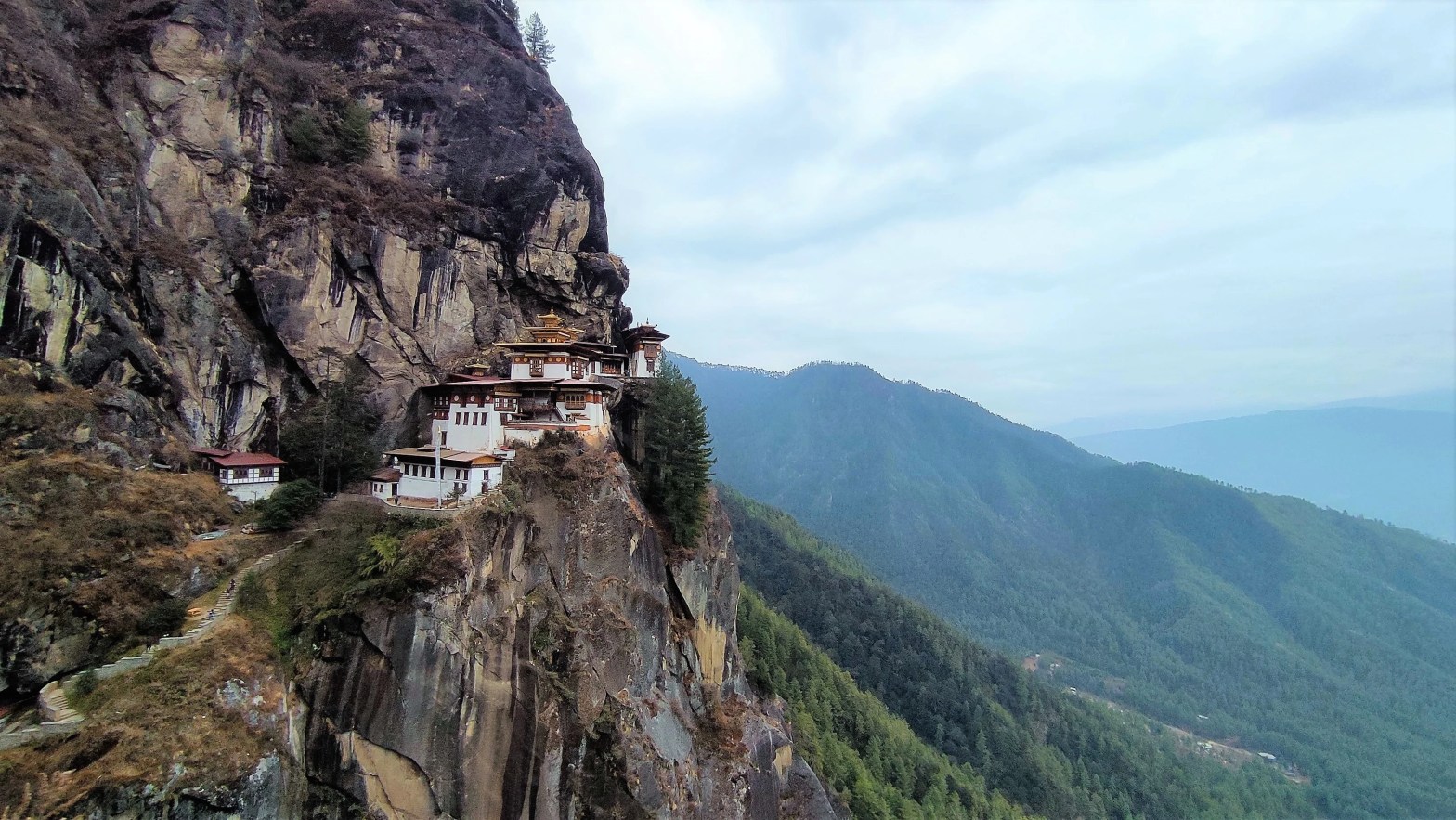
Bhutan, the Himalayan Kingdom, has reopened its doors to foreign travellers, but confusion and ambiguity prevail among tourists. The introduction of new travel and visa regulations, along with a significant increase in the daily Sustainable Development Fee (SDF), has raised concerns. Additionally, the Bhutan Tourism Board now charges a substantial entry fee for major tourist attractions.
However, based on our recent travel experience, we discovered that the overall trip cost to Bhutan is comparable to popular hill stations in India. Despite the changes, there are numerous compelling reasons to visit Bhutan and immerse yourself in the enchantment of the Land of the Thundering Dragon!
If you prefer to get all information described here in a Vlog format, then watch it here!
Why should you travel to Bhutan?
- Unique Cultural Experience: Immerse in Bhutan’s rich heritage, traditions, and spiritual values with captivating festivals, architecture, and Buddhist monasteries.
- Natural Beauty: Explore breathtaking landscapes, from snow-capped mountains to lush valleys, and experience the country’s commitment to environmental conservation and diverse wildlife.
- Happiness and Positive Vibes: Discover the world’s only country measuring Gross National Happiness, where happiness is prioritized and positive energy abounds.
- Trekking and Outdoor Activities: Embark on thrilling treks like the renowned Snowman Trek, engage in mountain biking, river rafting, birdwatching, and wildlife spotting.
- Peace and Tranquility: Escape to the “Land of Happiness” for a serene retreat, where a balanced lifestyle and absence of traffic lights create a stress-free environment.
- Sustainable Tourism: Experience Bhutan’s unique approach of high-value, low-impact tourism, ensuring a pleasant visit without overcrowding tourist spots.
- Hospitality and Warmth: Encounter the renowned Bhutanese hospitality and immerse yourself in a friendly and inclusive atmosphere fostered by the country’s strong sense of community.
- Purest Air o Breath: Bhutan is the only carbon negative country in the world! The country absorbs more CO2 from the atmosphere than they produce! People are very sensitive towards nature and environment and there is a constitutional pledge to always maintain 70% forest cover! And you can feel the freshness of the air everywhere!
What is the best time to visit Bhutan ?
The best time to visit Bhutan depends on personal preferences and the experiences you seek. Bhutan has distinct seasons, each offering its own unique charm:
- Spring (March to May): Witness the beauty of blooming flowers, vibrant rhododendrons, and clear skies. It’s an excellent time for nature enthusiasts and trekkers.
- Summer (June to August): Experience lush greenery and occasional rainfall. This period is ideal for exploring Bhutan’s valleys, enjoying festivals, and encountering rare wildlife.
- Autumn (September to November): Considered the peak tourist season, autumn offers pleasant weather, clear mountain views, and colorful festivals. It’s an excellent time for trekking and enjoying outdoor activities.
- Winter (December to February): Experience a quieter time in Bhutan with fewer tourists. Winter offers crisp air, snow-capped mountains, and clear views. It’s a great time for cultural exploration and witnessing unique winter festivals.
Each season has its own allure, so choose based on your preferences for weather, festivals, and activities. It’s recommended to check the weather conditions and plan your visit accordingly.
Bhutan Visa and travel document requirements for Indians.
If you are an Indian traveller you don’t need to have a visa to enter Bhutan however, a permit is required! You can get the permit online or while crossing the border by producing your passport or the voter eye card as a valid document.
Nationals of Bangladesh and Maldives could also get a visa on arrival! Tourists from every other country must obtain visas prior to arrival to the country.
Anyone entering Bhutan on a tourist visa must pay a daily surcharge called SDF (Sustainable Development Fee) as per the following rates.
Indian Adults: INR 1200
Other Nationals: USD 200
children aged between 6 and 12 get a 50% discount. SDF is not payable for children below 6.
Tip: You may obtain an e-permit prior to arrival with help from your Bhutanese travel agent or from this website (https://visit.doi.gov.bt/) . This will help you to save time at immigration. We entered Bhutan late evening, so this option was very helpful!
How to travel to Bhutan?
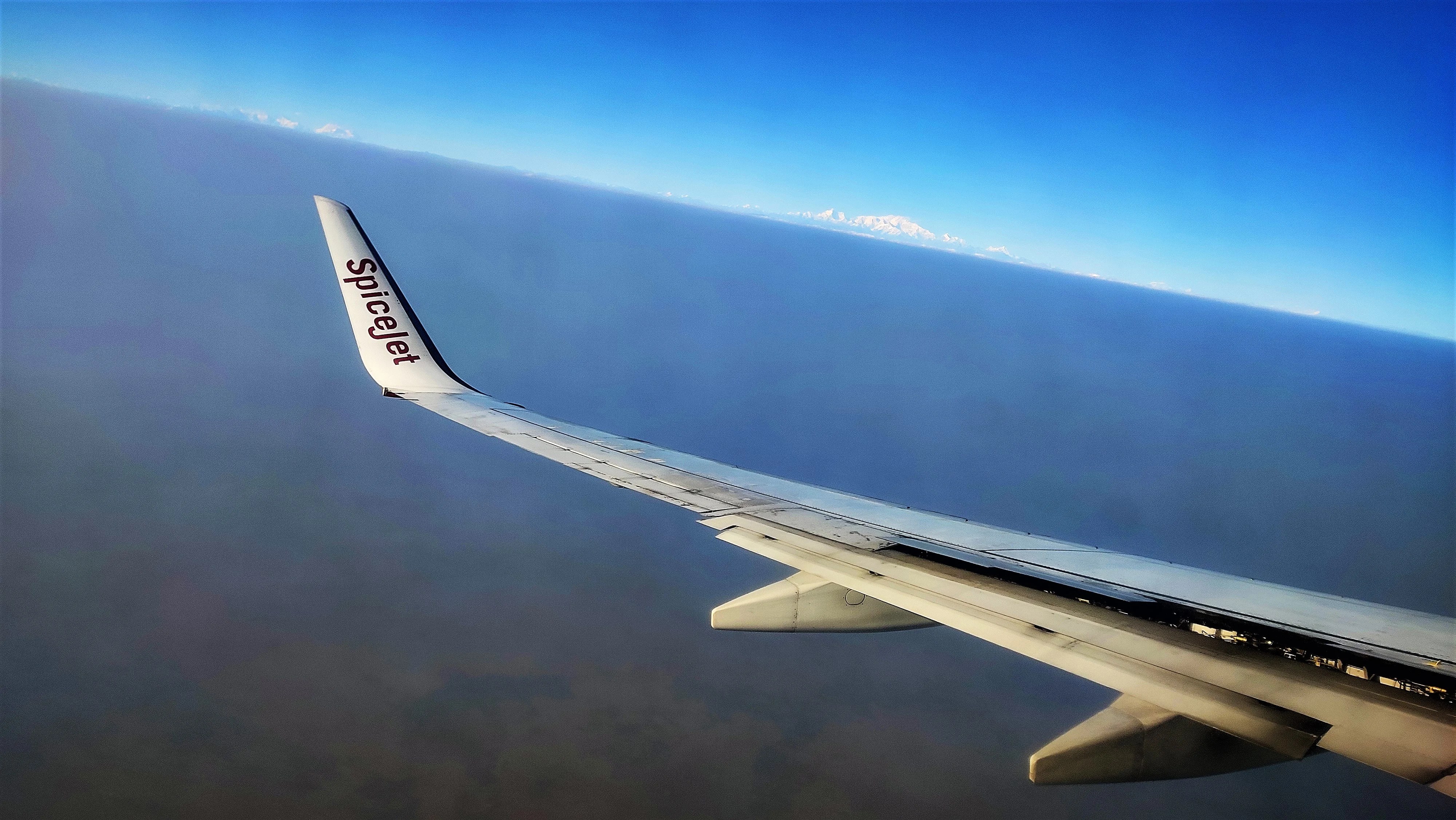
Bhutan has only one international airport at Paro, and this is one of the most dangerous airports in the world.
The country can be reached by flights departing from various locations, including Dhaka in Bangladesh, Delhi, Kolkata, Guwahati, Bagdogra in India, Kathmandu in Nepal, Changi in Singapore, and Bangkok in Thailand.
Currently, Bhutan is serviced by two airlines, namely Drukair and Bhutan Airlines. However, it’s important to note that tickets for these flights tend to be expensive, and the availability of flights is limited. As a result, many travellers from India and Bangladesh opt to enter Bhutan through its land borders with India. One of the common entry points for all visitors is Phuentsholing, where land entry is possible. Additionally, Indian guests have the option to enter Bhutan through other land entry points such as Gelephu, Samdrup Jongkhar, and Samtse.
We took a flight to Baghdogra (North Bengal), which is well connected to all major India cities by air and from there reached Jaigaon by cab. The drive takes 4-5 hours depending on the traffic.
Jaigaon is the Indian side of the border. From here one could enter Phuentsholing after completing the immigration process.
Tip:
If you don’t plan on travelling beyond Phuentsholing on the same day, you have the option to stay overnight in Jaigaon. By doing so, you could save the SDF for one day.
Other Mandatory Requirements
You must have a guide if you are entering Bhutan by air and travelling Beyond Tempo and Paro. Travellers entering Bhutan by Road should have a guide from the start to the end of the trip.
Norbu was our tour guide, and he did a phenomenal job to make our trip a very pleasant one, You may contact him at (+975 17 89 33 92).
International tourists are NOT allowed to stay below 3-star hotels. Your tour operator will cater to this requirement. But if you are booking your own hotel, do check its star rating.
Is travel insurance mandatory for Bhutan?
As per the new rule, valid travel insurance is mandatory during your stay in Bhutan. You can buy those from the immigration office, but I suggest buying them online at a cheaper rate!
Is Indian Currency Accepted in Bhutan?
The Bhutanese currency is known as ngultrum, (pronounced as “ung-guhl-trum”) and it has a fixed conversion rate of 1:1 with Indian rupees. Indian currencies are accepted everywhere in Bhutan!
Tip:
Though big establishments accept Visa and Master Card acceptance of Amex is limited. Do carry enough cash because small businesses do not accept cards.
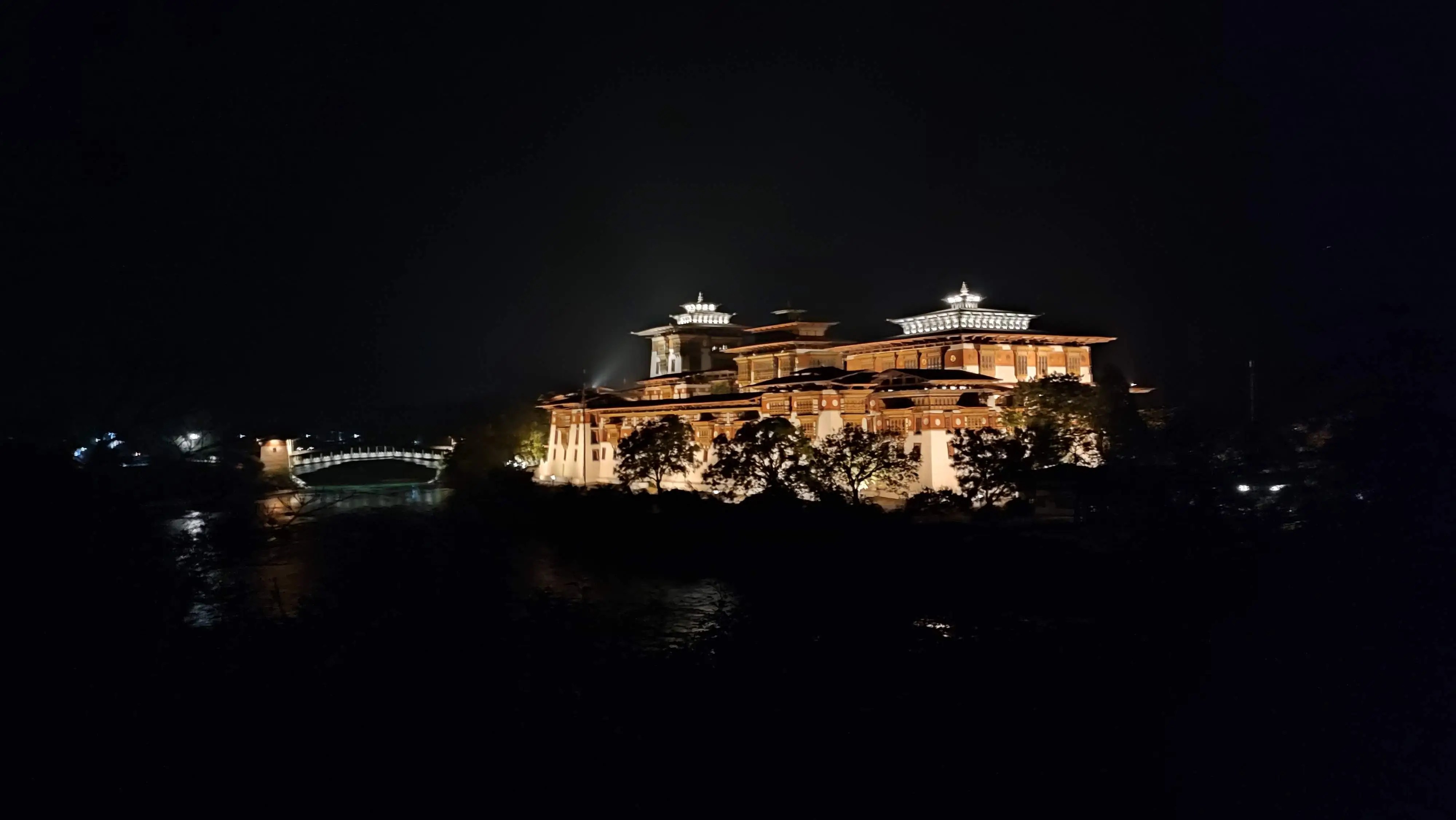
Bhutan trip cost from India
- Tour Package Cost:
- The cost depends on the type of tour package (premium, luxury, or general) and the time of the year.
- On average, a 6D/5N package for a couple may cost around INR 60,000.
- The package typically includes transportation from Phuentsholing, 3-star accommodation with daily breakfast, SDF (Sustainable Development Fee), guide charges, and travel insurance.
Tip:
Consider buying travel insurance online separately to potentially save costs. Ask your agent to exclude it from the package.
2. Food Cost:
- The daily cost of food ranges from Rs 600 – 800 per person.
- The price may vary based on the type of restaurant and food.
Tip:
Explore street food and local eateries for affordable and delicious homemade meals. These places also provide an opportunity to interact with locals.
3. Entry Fees:
- Bhutan has recently reduced entry fees to monuments, temples, and museums by 50%.
- The cost for most places is INR 500, while for Tiger’s Nest Monastery, it is INR 1000.
Tip:
If you’re on a budget, plan your visits to tourist places strategically. For example, prioritize Punakha Dzong and consider skipping other Dzongs.
Note: Prices and costs are subject to change, and it’s always recommended to check with your tour operator for the most accurate and up-to-date information.
Can you take your Indian car/bike to Bhutan?
You can, but a daily Green Tax of INR 4500 to be paid per day in addition to the daily SDF for all passengers.
Can you rent a self-driven car/bike ?
No, you cannot rent a car without a driver in Bhutan.
Do Indian mobiles work in Bhutan?
International roaming works in most of the major cities and tourist places. However, you may get a local tourist SIM easily. A 7-day connection may be as cheap as INR 300.
Special Notes:
Bhutan is a special country and If you are a nomad and explorer, the country is going to mesmerise you. Go with an open heart without any expectations and you will be rewarded!
Bhutanese people are nice, and friendly and show a lot of warmth towards the tourists! At the same time, they are extremely respectful and conservative towards their culture and religion. Please be courteous and respect their tradition!
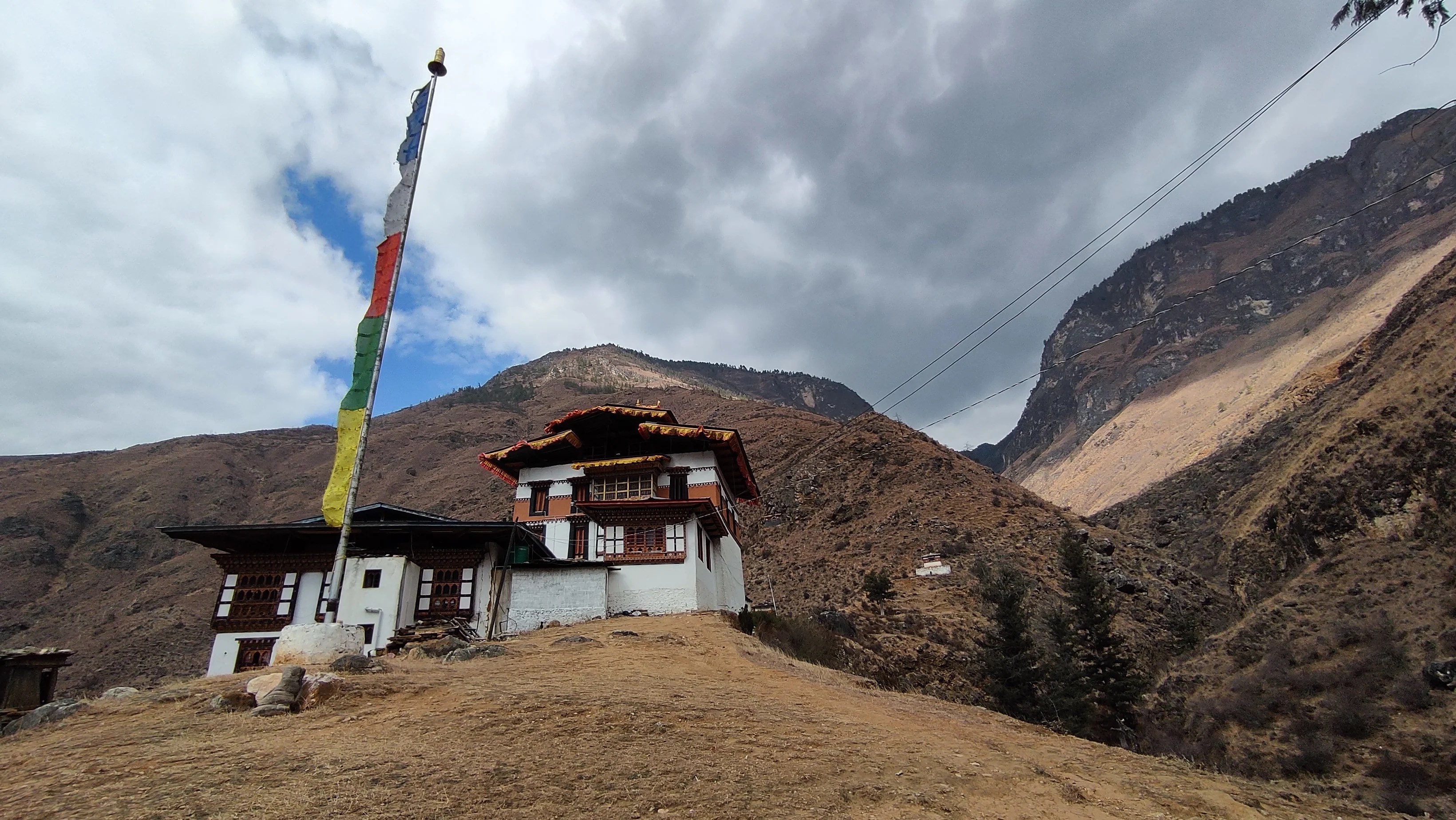
I hope this vlog from my personal experience helps to plan your trip! The 9-day trip to this last heaven on earth has changed our many perspectives! You can enjoy my Bhutan Travel Series videos here!
 The Urban Nomad