

Prolouge:
After spending an amazing day exploring Thimphu yesterday, it was time to visit Punakha, the old capital of Bhutan! Which still serves as the winter home of Chief Abbott!
N:B: If you want to see our experience in a Vlog format, the is here!

We woke up early on a chilly winter morning in Thimphu, excited to start our trip to Punakha. We had heard so much about this beautiful town and couldn’t wait to see it ourselves.
After a short drive of about 45 minutes, we arrived at the Dochula Pass.
Dochula Pass
About The Pass:
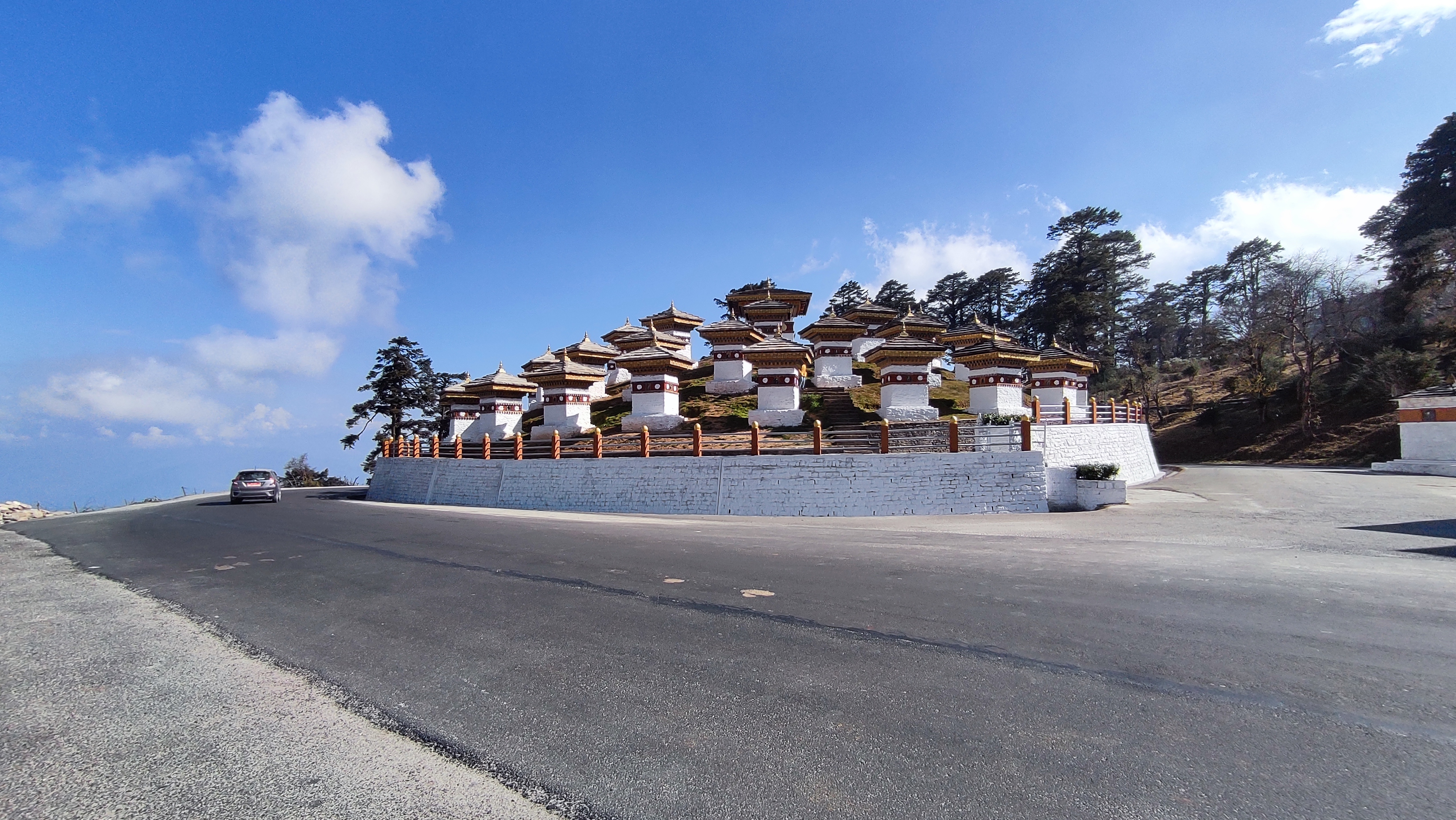
This mountain pass is located at an altitude of 10,000 feet and offers panoramic views of the Himalayas. It is famous for the 108 Chortens dedicated to the soldiers of the Royal Bhutan Army. This is one of the two mountain passes between the old and new capitals of Bhutan, Punakha and Thimphu!
The views from the pass were simply breathtaking. But due to haze, we could not see the snowcapped Himalayan peaks!
The experience of the 108 Chortens was quite emotional! Especially to know that these are built to commemorate the lives of the Royal Bhutan Army who gave their life to protect the sovereignty of India. They were fighting to flush out camps of ULFA and other groups, who were doing militant activities on Indian soil!


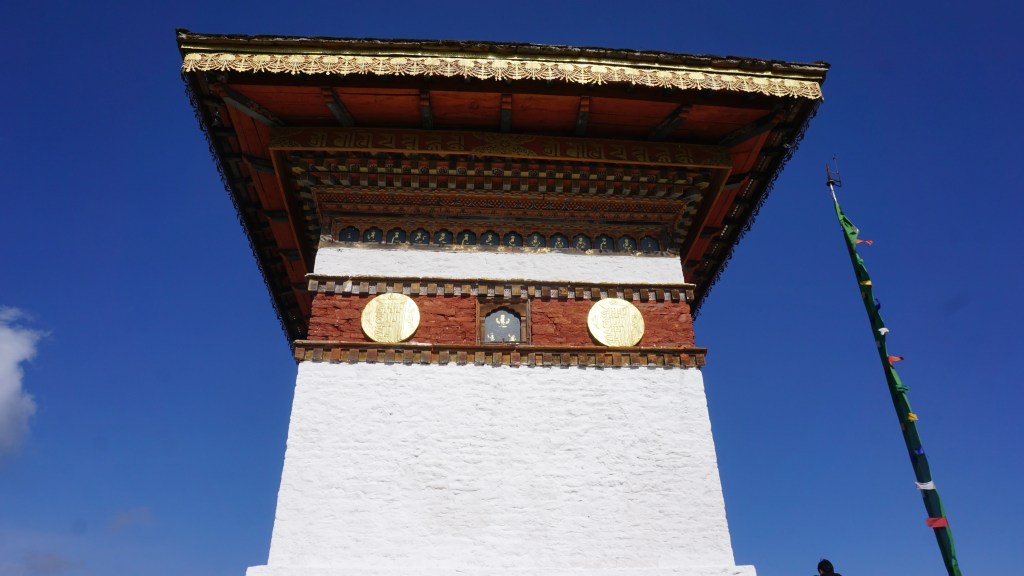
We felt blessed to have visited Dochula and if you are an Indian visiting Bhutan you must come here and offer respect to our Bhutanese brothers.
There is a famous cafe in Dochula known for its food and breathtaking view! Unfortunately, it was closed for renovation! If you can, do stop by to enjoy a hot cup of coffee!
If you want, you can visit the Monastery as well, which is next to the cafe!
After spending some good time at Dochula we proceeded towards Punakha!
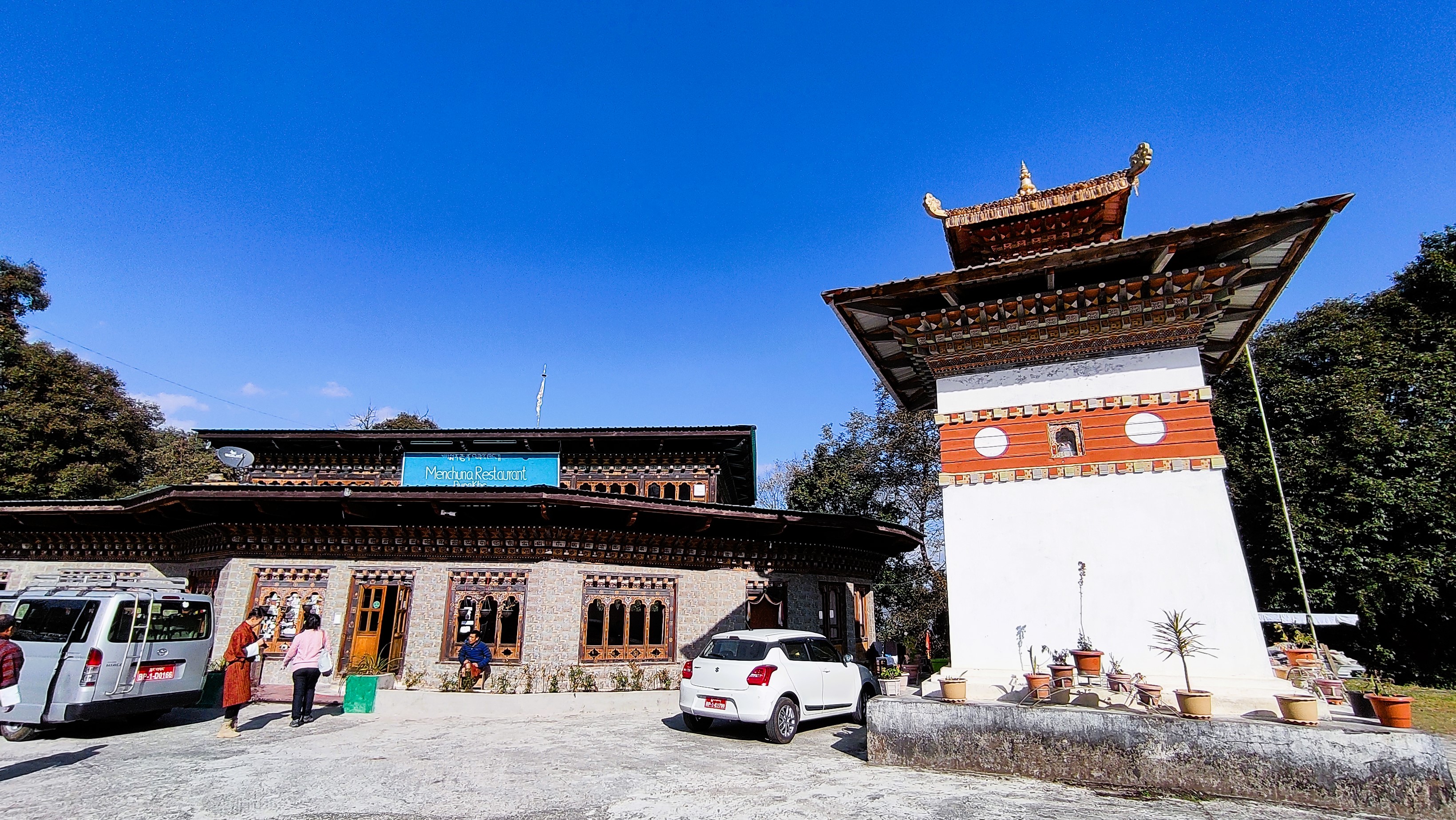
But since everyone was hungry, we stopped by Menchuna Restaurant for lunch! The food was good and we especially liked the cozy corners during that cold day! After that, we resumed our journey again towards Punakha.
Chimi Lhakhang Fertility Temple
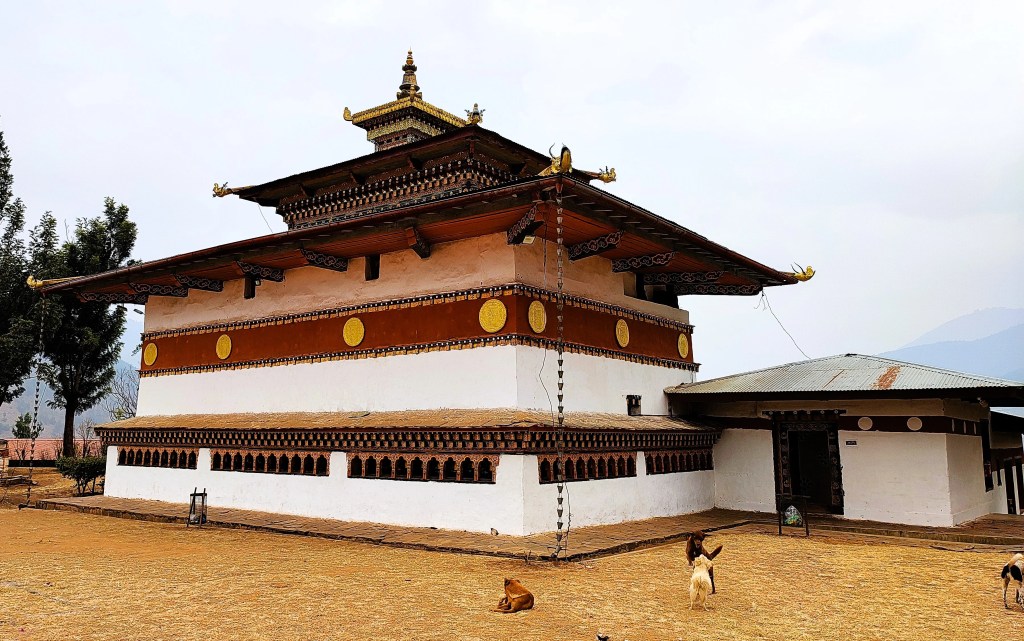
But before that, the plan was to visit the famous fertility temple, locally known as Chimi Lhakhang! This temple is dedicated to Drukpa Kunley, a 15th-century saint who was known for his unconventional teachings. The temple is decorated with phalluses, which are symbols of fertility.
It is believed that couples having fertility issues cloud be blessed with babies if they visit the fertility temple and pray here!
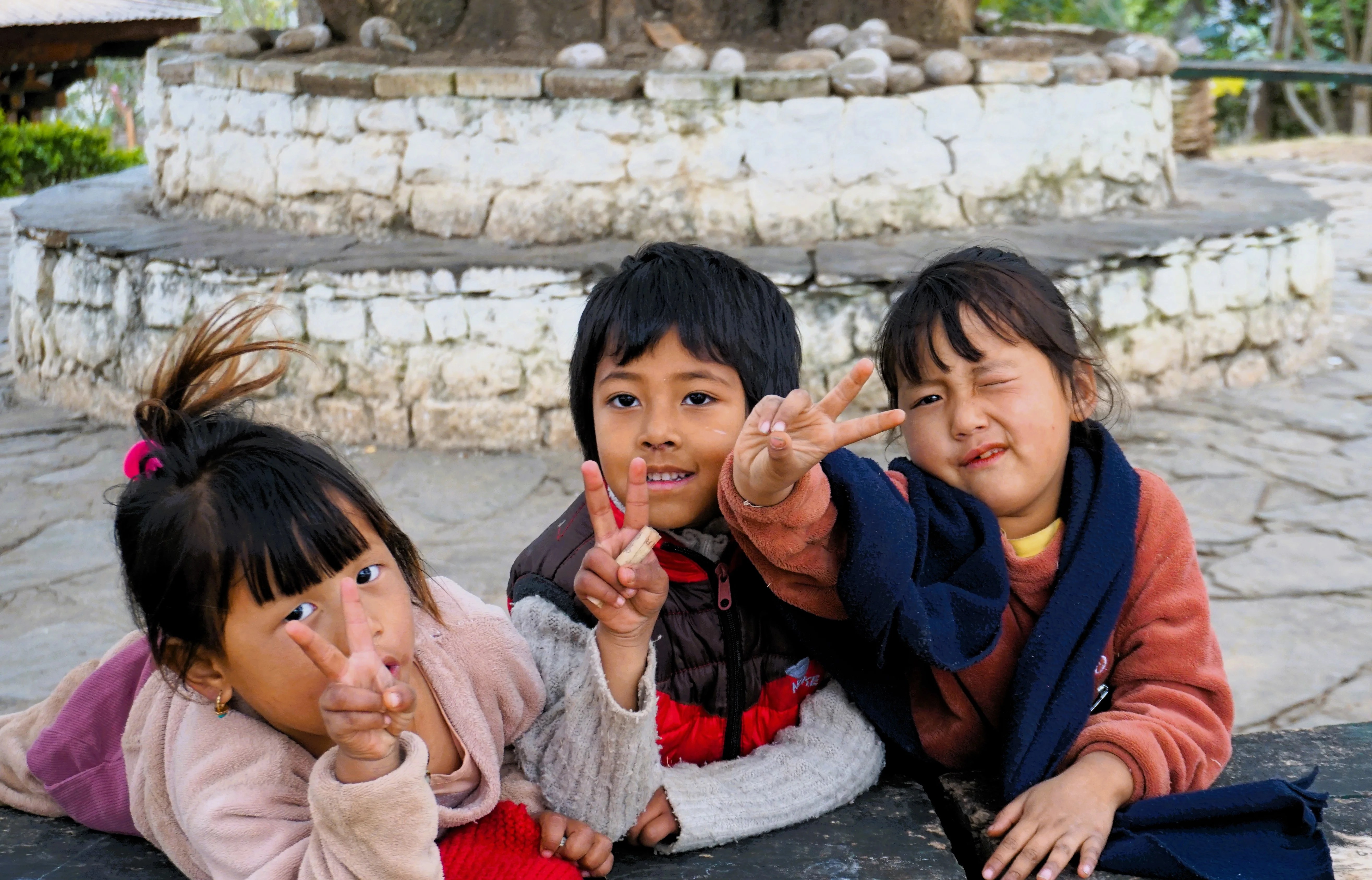
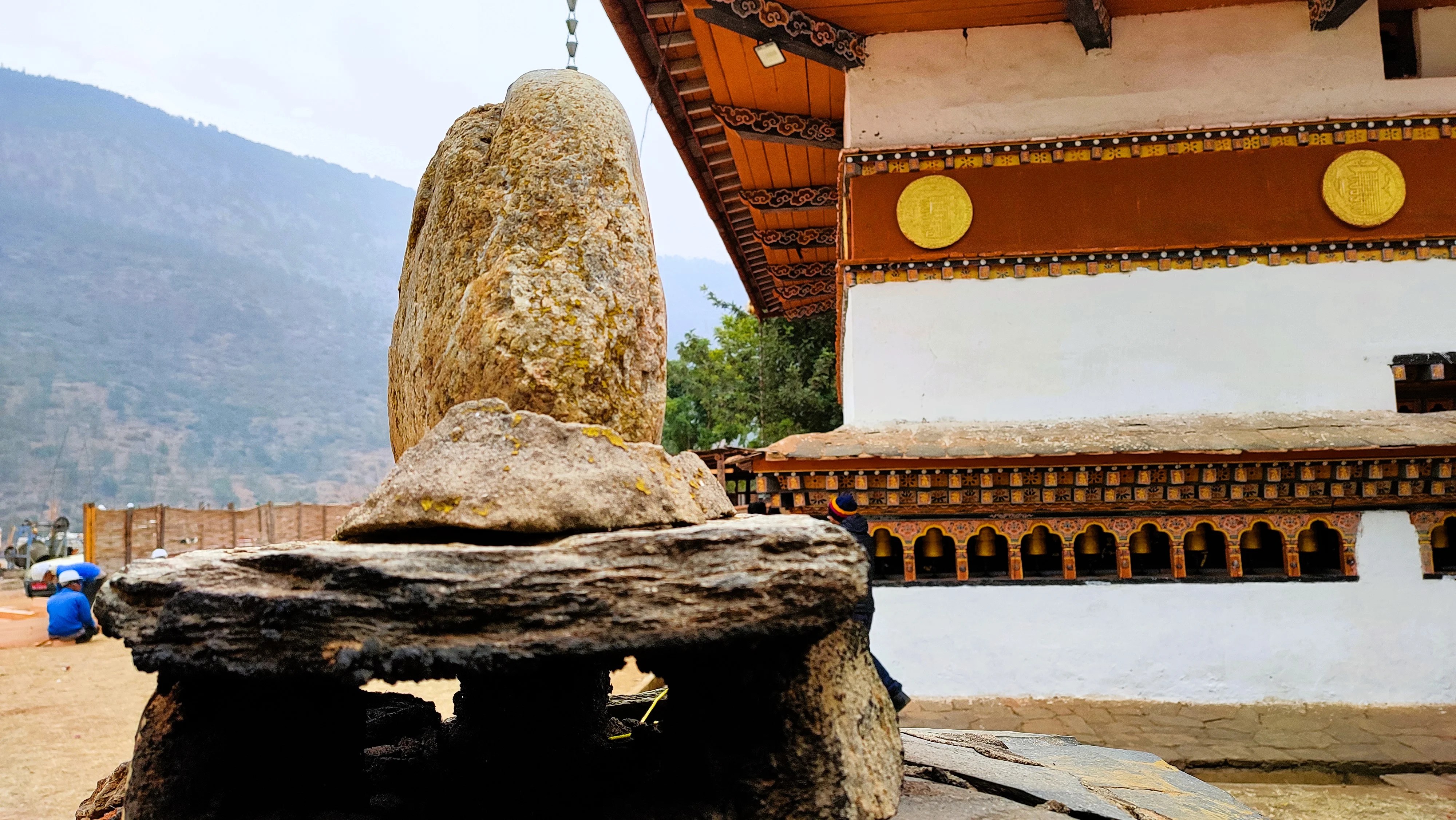
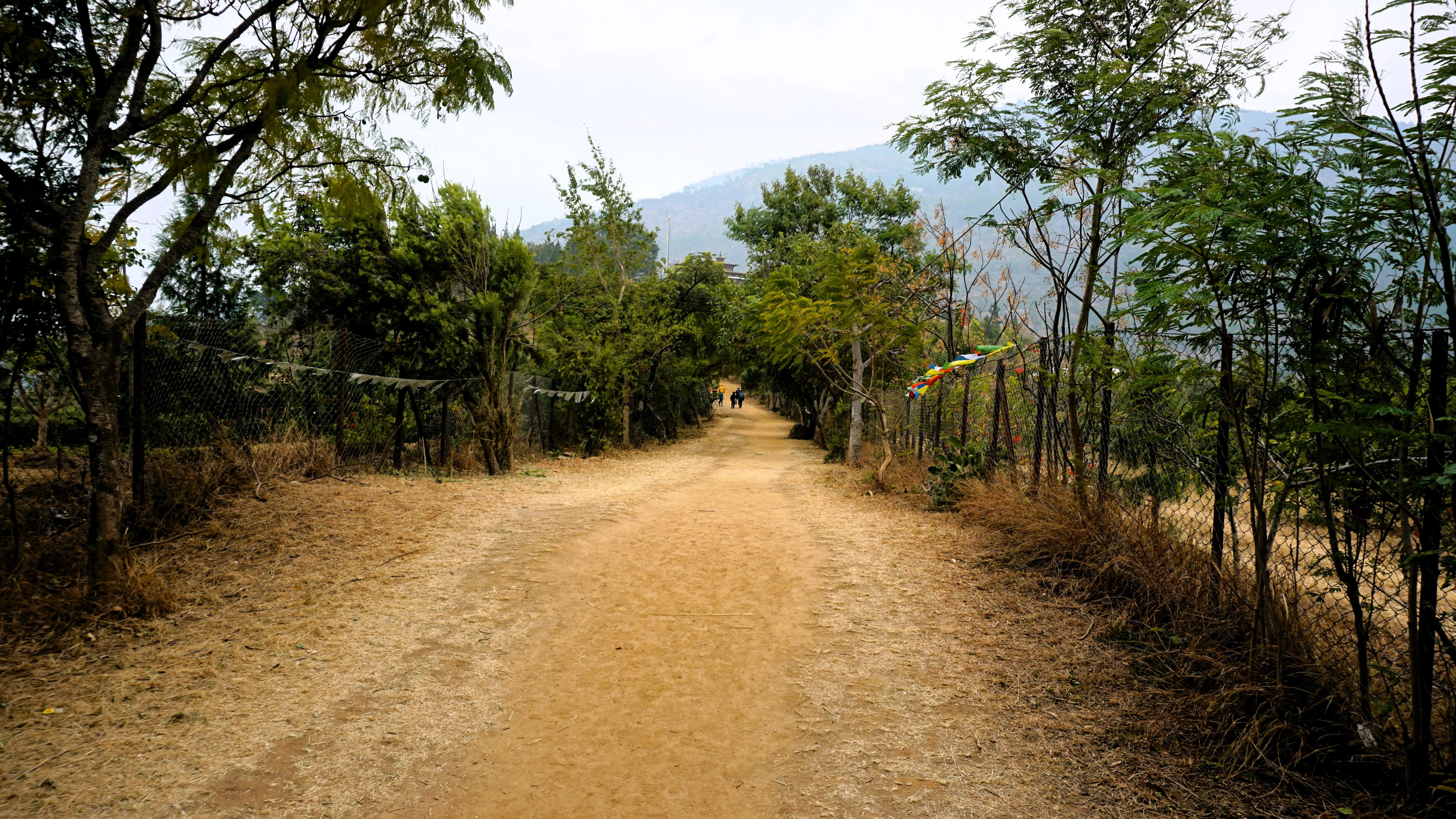
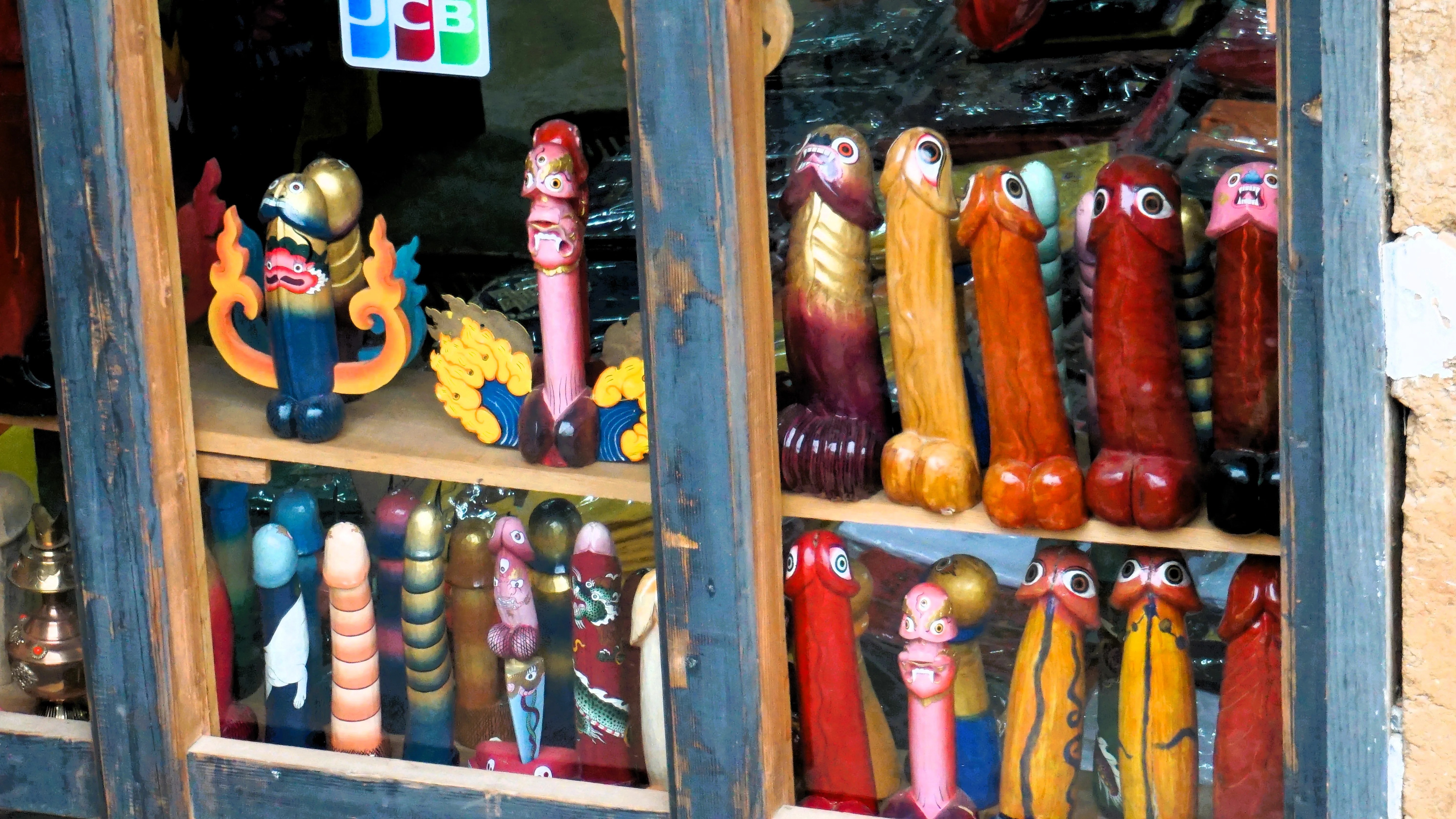
We had to do a short hike to reach the temple! It was a nice experience! But please don’t get a cultural shock seeing all of those phallus paintings in the temple and village houses! The phallus warship is very common in Bhutan and the fertility Temple is a centre of such practice.
After spending a nice time here we proceeded towards, Punakha!
Punakha
About Punakha:
Punakha, Bhutan’s former capital until 1955, is still the country’s spiritual core. It’s famous for the Punakha Dzong, a 17th-century fortress at the confluence of the Pho Chhu and Mo Chhu rivers, now a UNESCO World Heritage Site. Located in the western part of Bhutan, Punakha is the second-largest town, surrounded by beautiful scenery, rich culture, and friendly people, making it a popular tourist destination.
It was getting late, so we decided to visit the Dzong, before dropping at the hotel!
Punakha Dzong
Punakha Dzong, the second oldest dzong in Bhutan, is a true treasure trove of spirituality and culture. Locally known as the ‘Palace of Great Happiness,’ it was constructed back in 1637 and is brimming with relics of the Drupal lineage of Tibetan Buddhism.
As we approached the entrance, we crossed a charming wooden bridge that connects the mainland to this majestic palace, giving us a bird’s-eye view of the tranquil river below. The sight was absolutely mesmerizing!
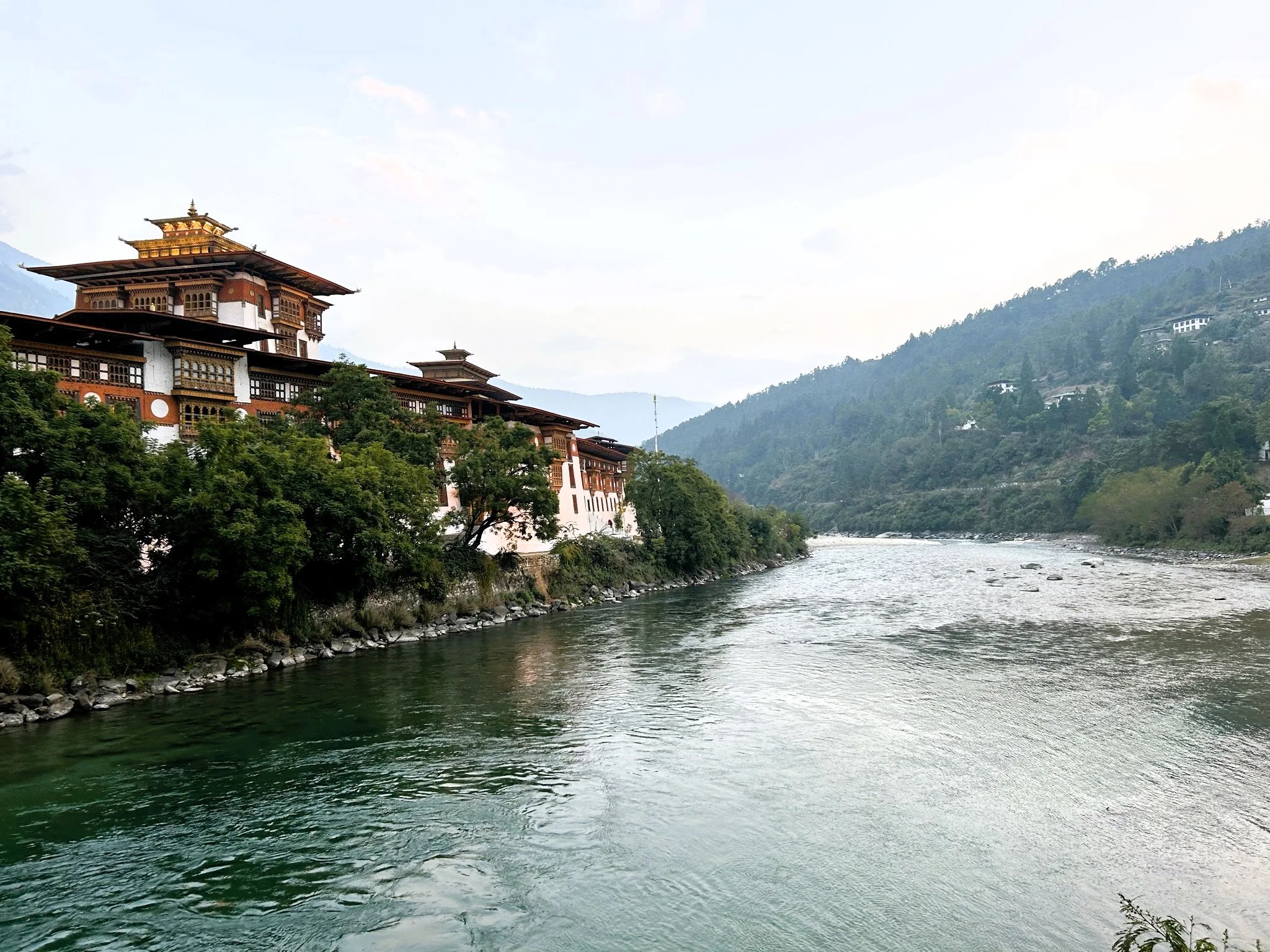
A little heads up – when you step inside, you need to remove any head coverings like scarves or caps and ensure your arms and legs are modestly covered. Dressing right is the key to a smooth entry into Punakha Dzong.
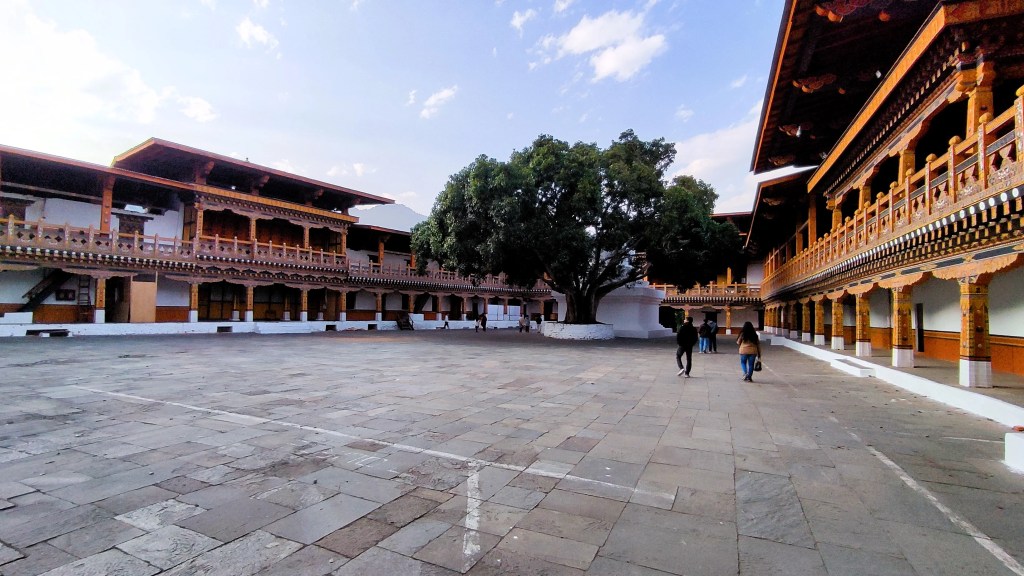
Once inside, we were completely captivated by its grandeur. We lost track of time exploring this architectural marvel, admiring the intricate details and absorbing its rich history. The main prayer hall was a real showstopper with its stunning murals and statues.
Our visit to Punakha Dzong felt like stepping into a different world, one filled with Bhutan’s ancient history and vibrant culture. It was an experience that left us feeling incredibly fortunate to have had the opportunity to witness such a remarkable place. Don’t miss out on this awe-inspiring wonder when you’re in Bhutan!
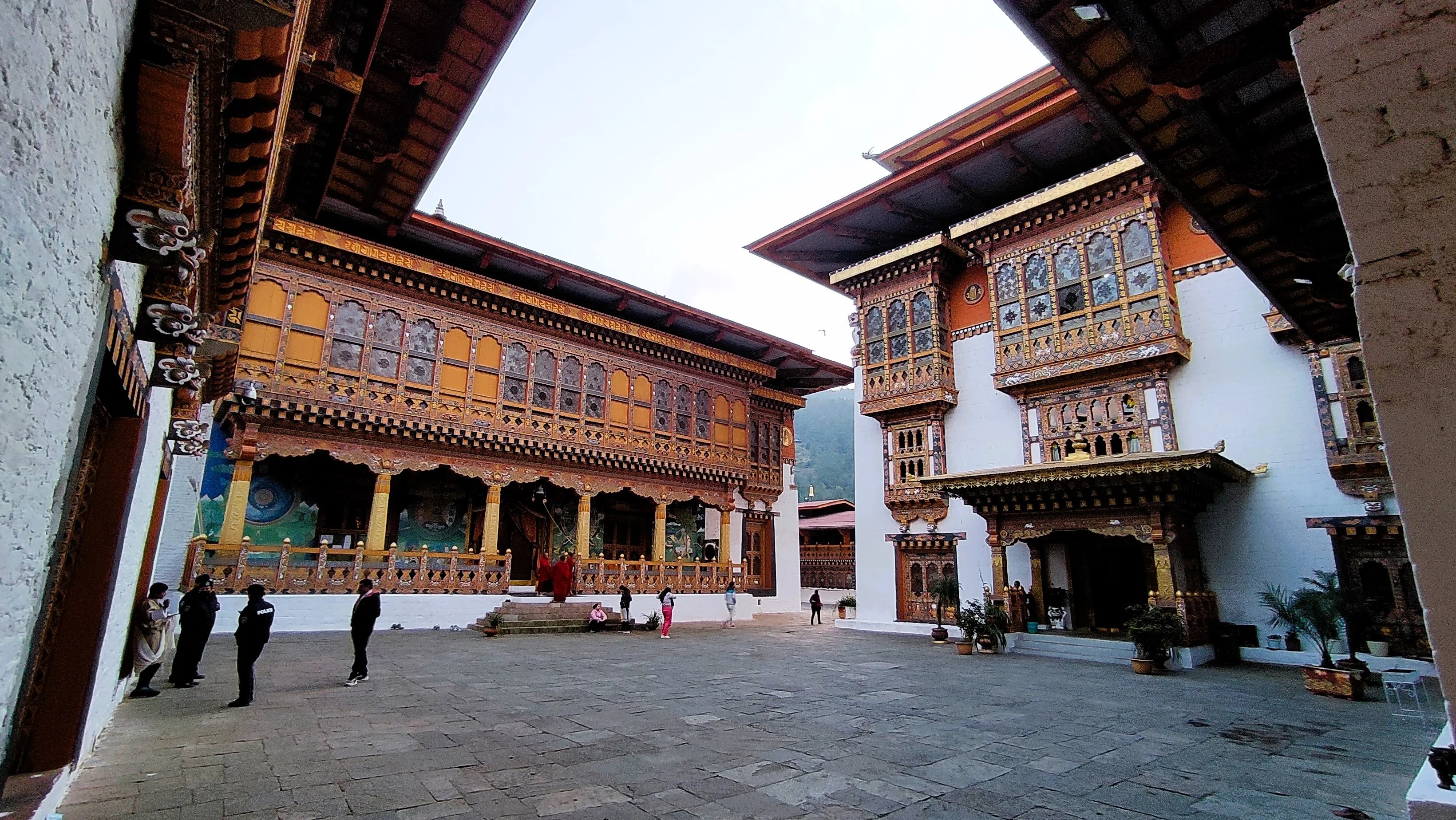
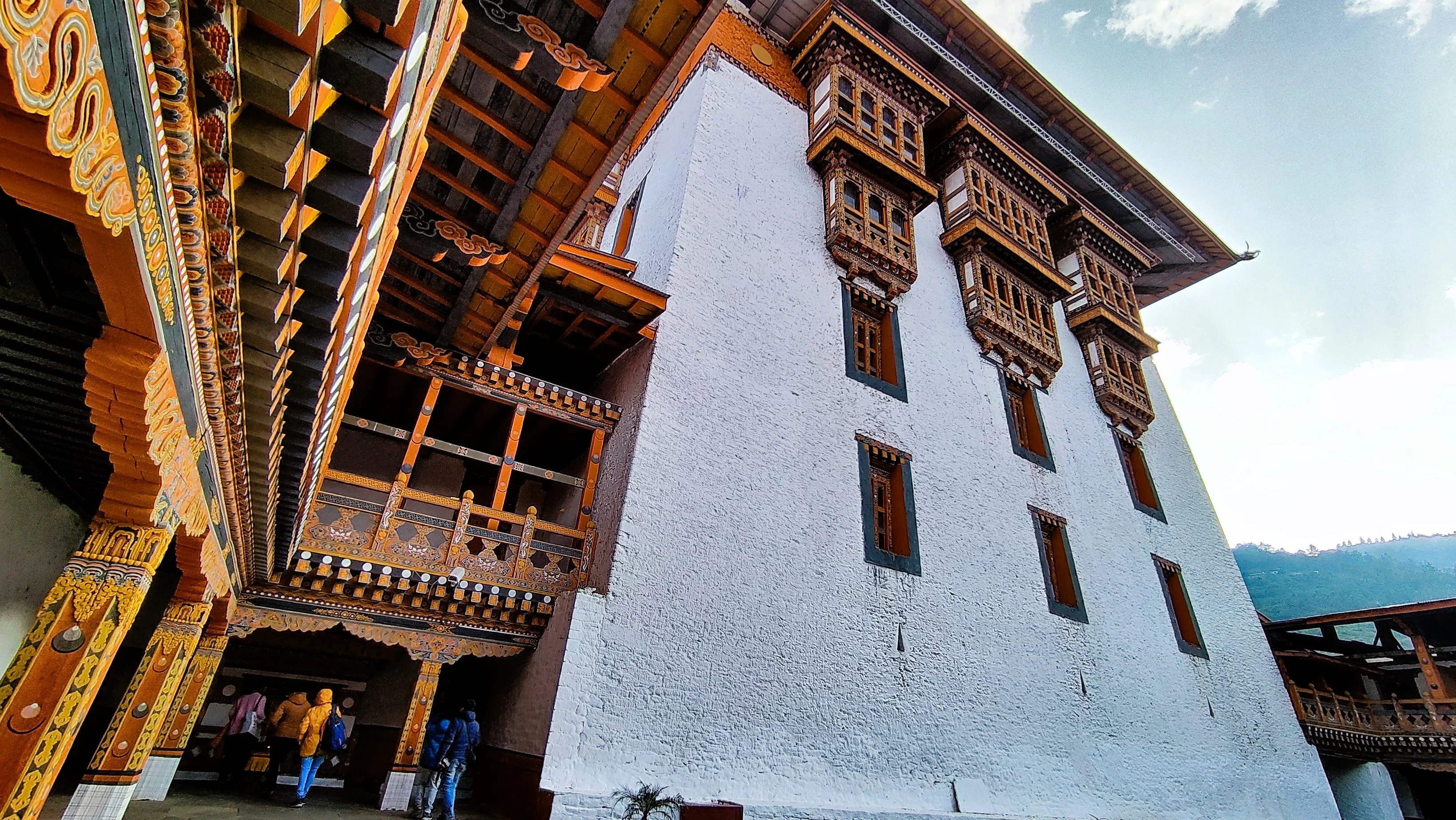
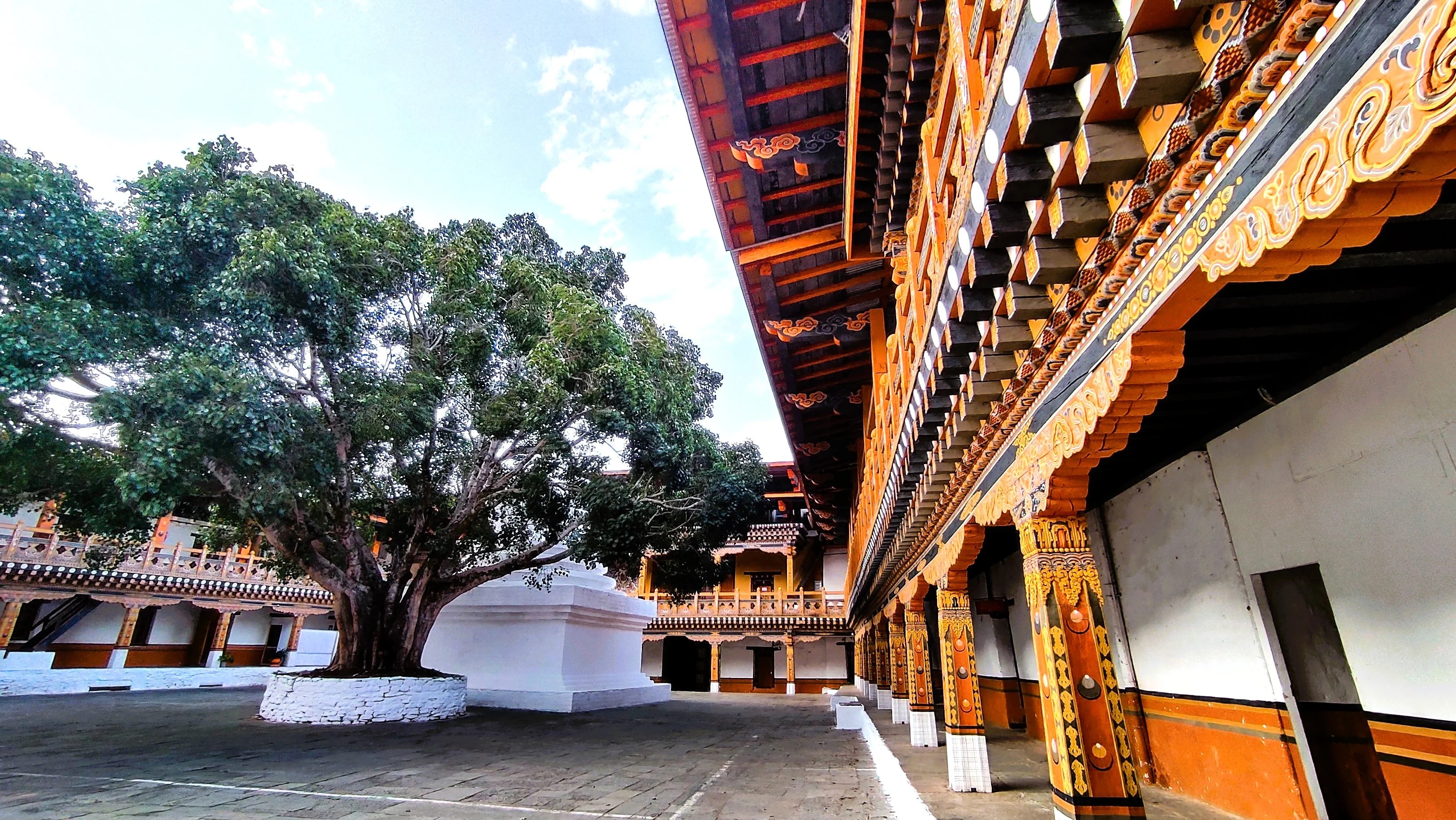
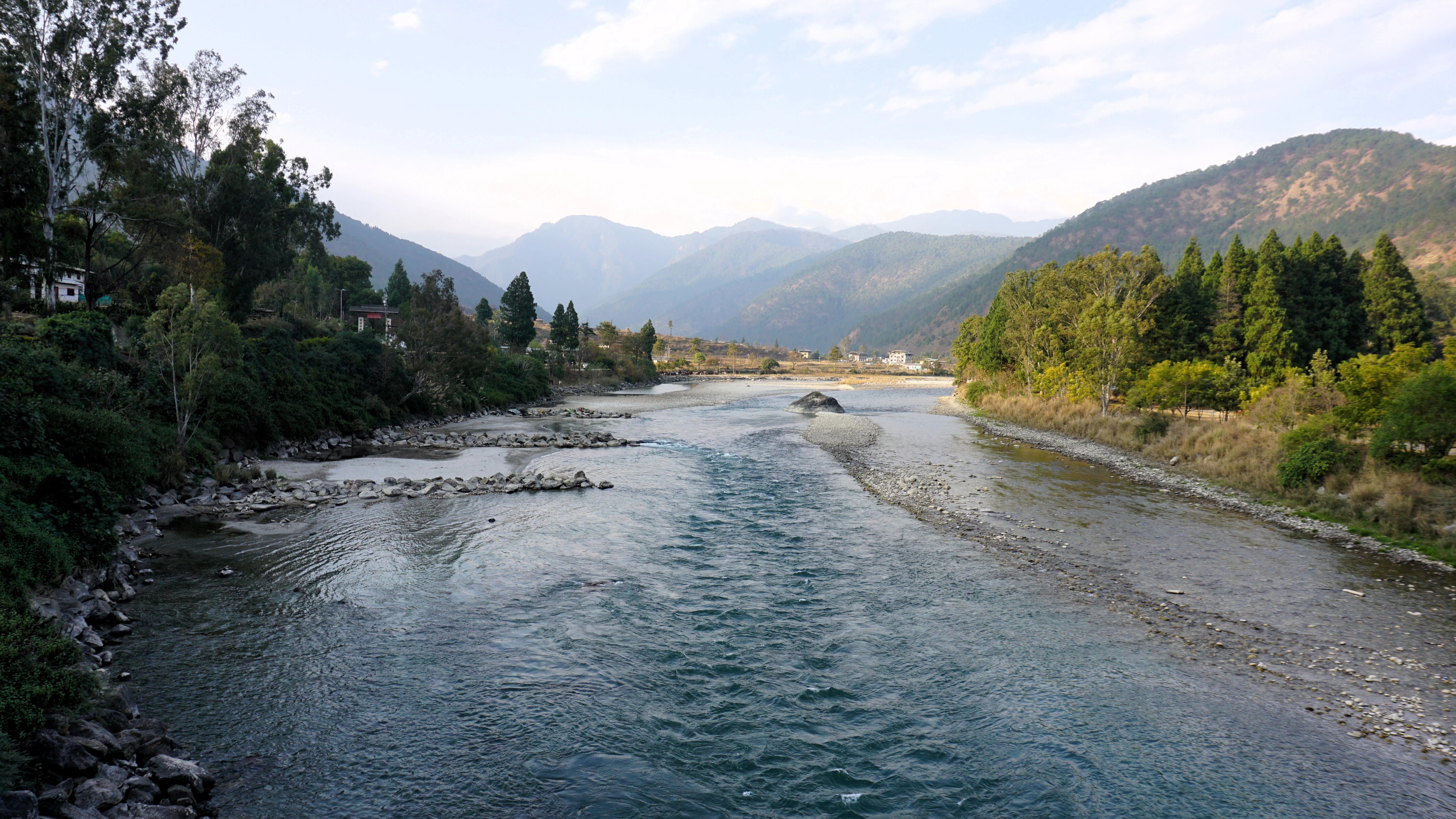
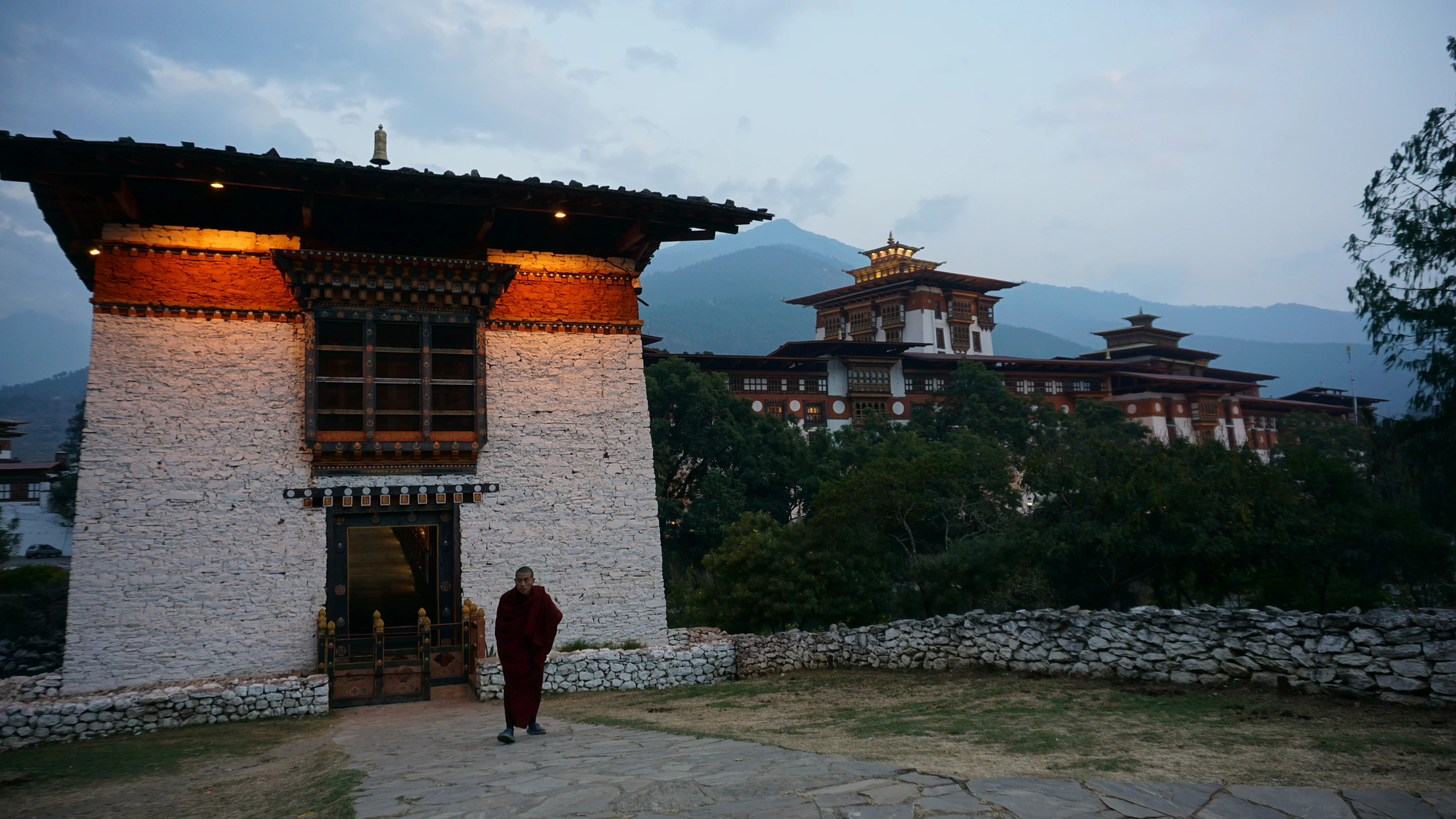
By the time we came out of the Dzong, daylight was almost gone! So we rushed to another famous exhibit of Punakha, the Iron Bridge!
The Punakha Suspension Bridge stretches for a whopping 160 meters (about 525 feet). According to local lore, it was crafted way back in 1637 by the revered Buddhist monk Thangtong Gyalpo. Remarkably, this bridge still stands strong as one of the world’s most ancient working bridges. Its structure combines sturdy iron chains with wooden planks, and it’s adorned with vibrant Buddhist prayer flags.
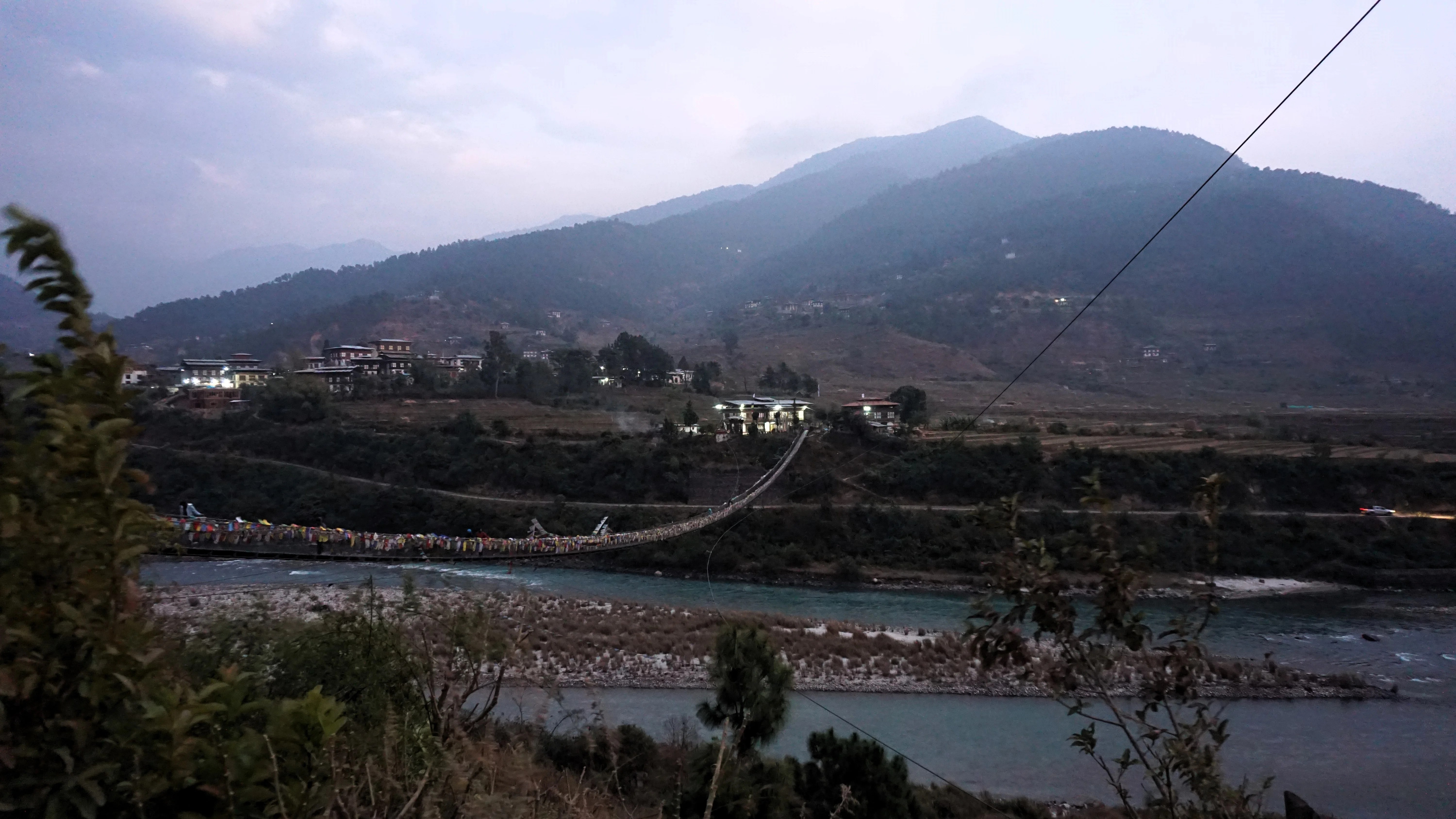
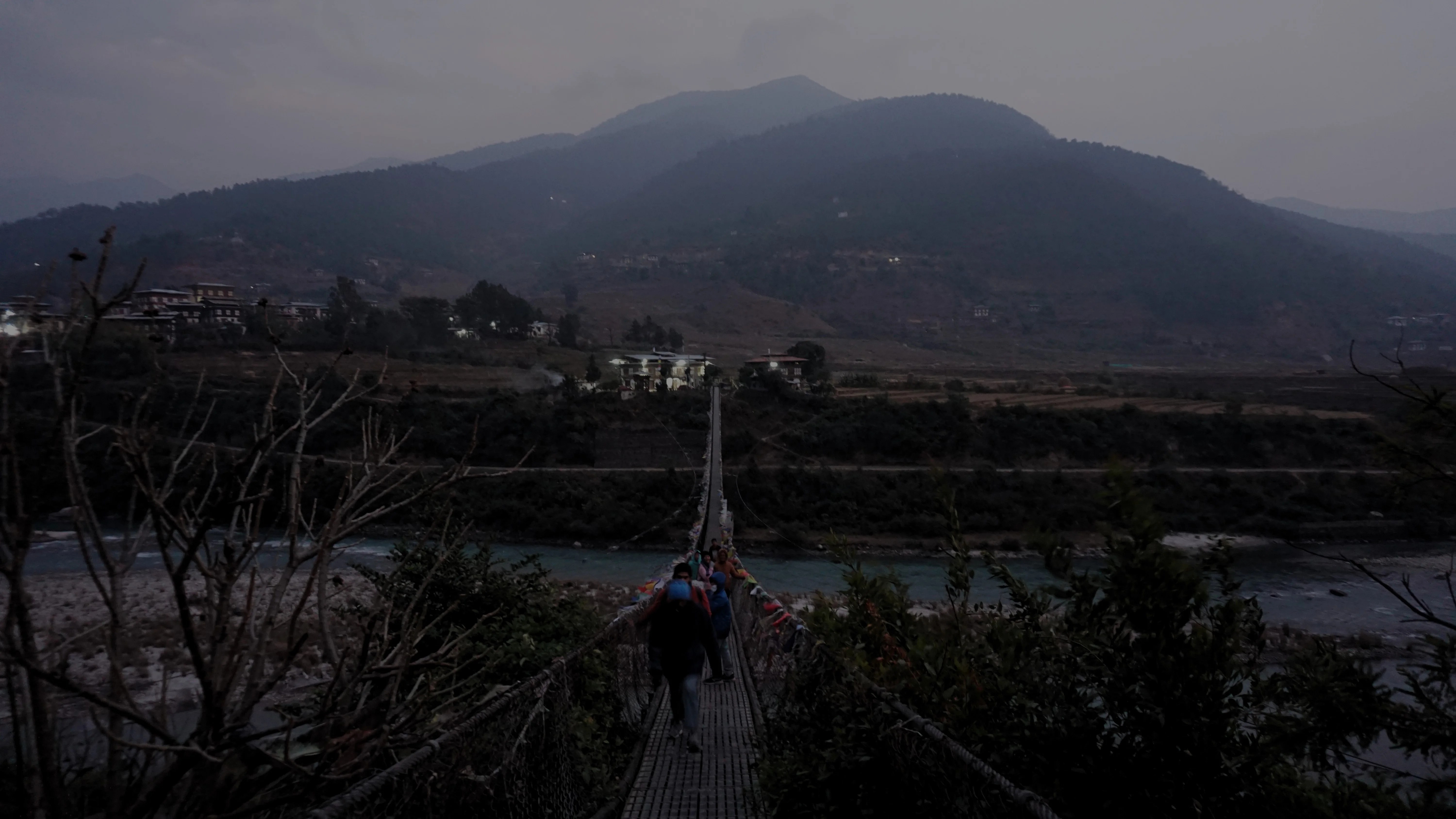
It was a thrilling and chilling experience ( literally with the brutally cold wind ) to walk on the bridge in near-complete darkness! We decided not to go all the way to the other side, because the bridge is long and it was getting very cold up there! Kids wanted to return to the vehicle!
It had been a very long day, so we all wanted to rest in the comfort of four walls and a roof. So headed towards the hotel! But not before stopping at the viewpoint to see the magnificent night view of the Punakha Dzong!
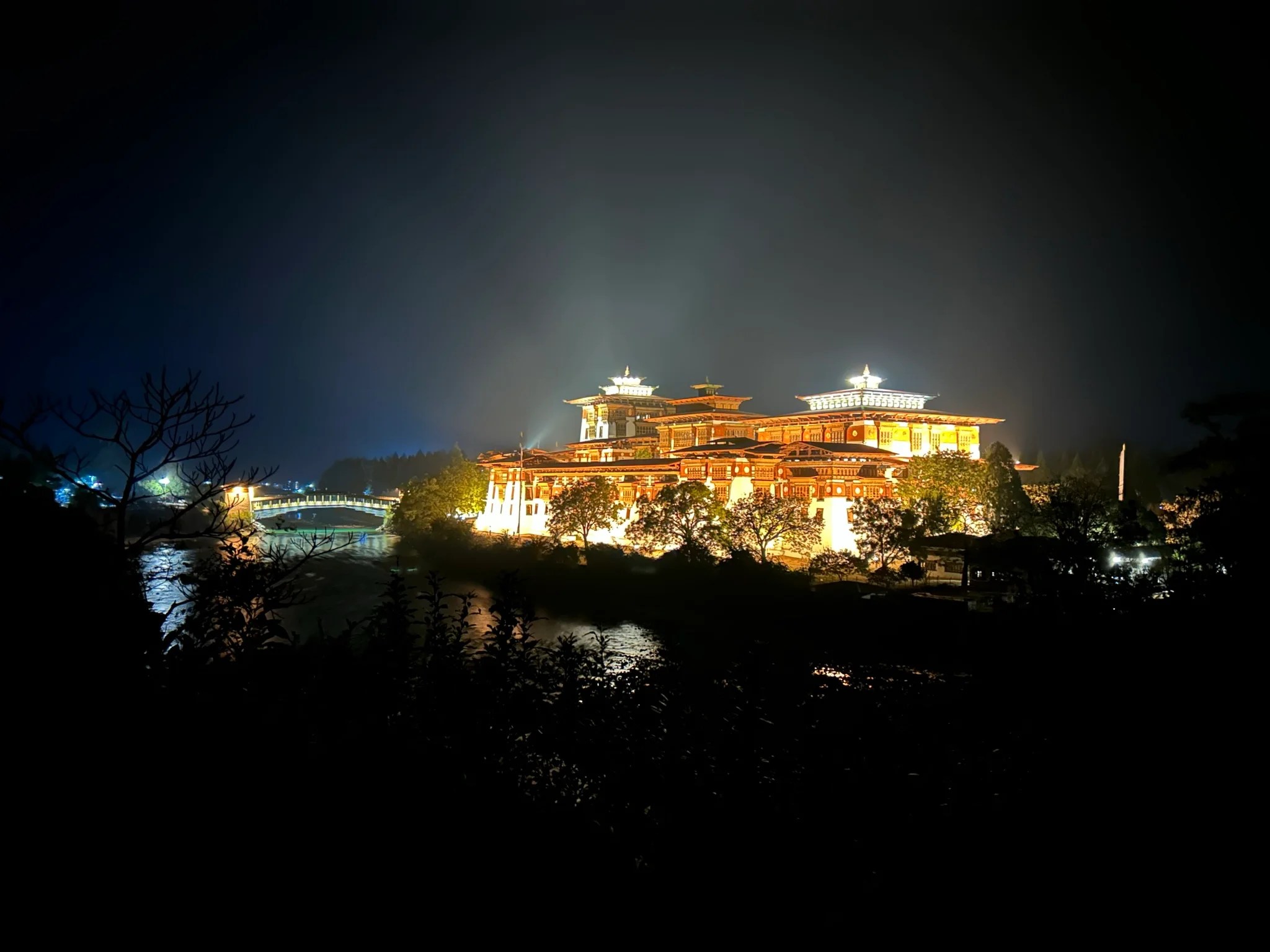
The formidable fortress with all the lights on and its reflection on the river looked magically stunning! This is a view you should not miss during the Punkakha trip!
We checked into Hotel Pema Karopo, it was nice and cosy and the food was lip-smacking.
(They did not have an elevator when we visited. So check it out if you decide to stay there!).
The hotel is next to the river which we decided to explore in the morning, before heading to the less explored heaven of Bhutan, Phobjhika Valley!
I hope you follow us there as well!
 The Urban Nomad