
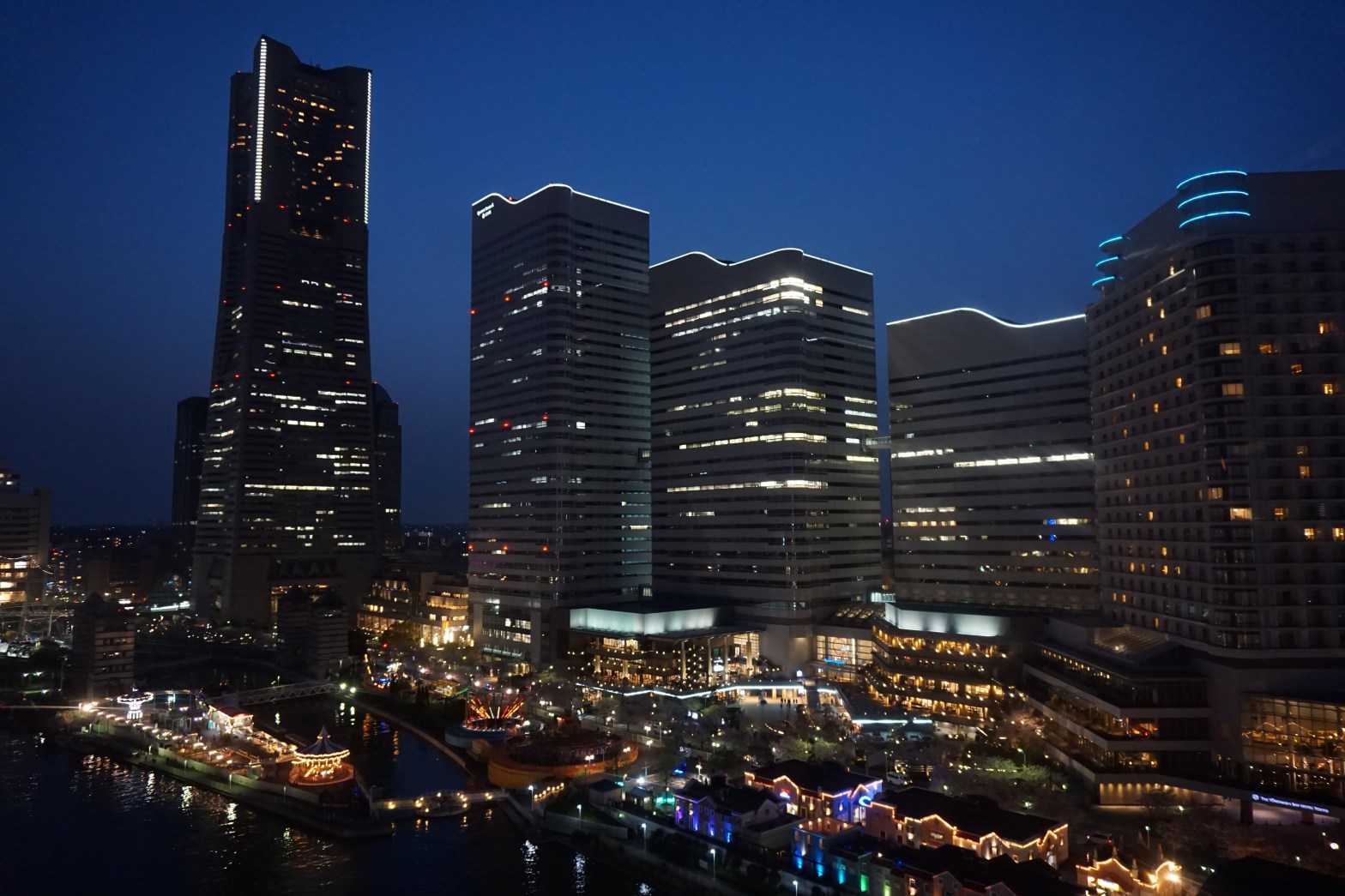
Work took me to China and Japan last year. So, when I got a chance to go to Japan, I was like, yepppiiii! Though it was a short trip that too mostly around Yokohama but for a wanderer like me, it was pretty exciting! And today I am going to share some of my lovely memories of the city with you!
Yokohama is 40km south of Tokyo and it is the second-largest city in Japan by population. ; This was the first port of Japan to allow foreign ships. Thousands of traders, laborers, and businessmen came from outside and settled here, which made the city a cultural melting pot!
During WWII Yokohama was reduced to dust by US B29 bombers. But it was rebuilt, and the city has truly reclaimed its glory.
Modern-day Yokohama is a major port city and one of the leading business hubs of Japan.
Yokohama is a perfect place for a day trip from Tokyo as it is easily reachable by subway. And it has many famous tourist attractions like very colorful china town, beautiful coast line, scenic gardens, well maintained urban landscapes and many more.
Let’s find today the top things you may do in Yokohama during a day trip.
N:B: If you want to see my experience in a Vlog format, please click here!
Start of the day afresh from Sankeien Garden
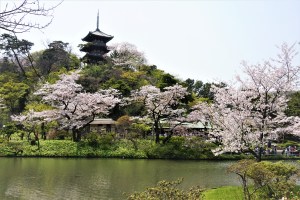
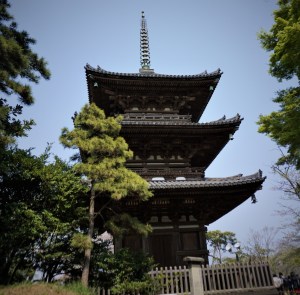
This is going to be a long day so I wanted to give it a fresh beginning! And my obvious pick was Sankeien Garden. This beautiful and huge garden was the private home of an extremely affluent silk merchant, Tomitaro “Sankei” Hara (1869-1939). The garden was opened in 1906 to the public and it is a major attraction for tourists and locals.
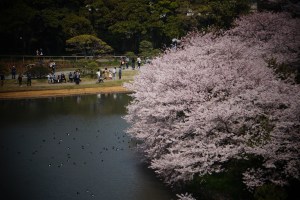
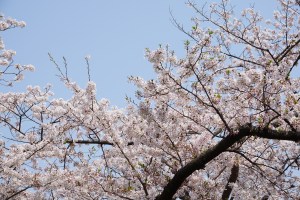
You can watch the spectacular view of Cherry Blossoms during the autumn season in Sankeien Garden. During this season the place is much crowded, however, walking through the garden and sitting by the huge lake I felt so peaceful! Sankeien Garden is a gem for nature and landscape photographers, and you should keep at least a couple of hours to explore this place!


China Town
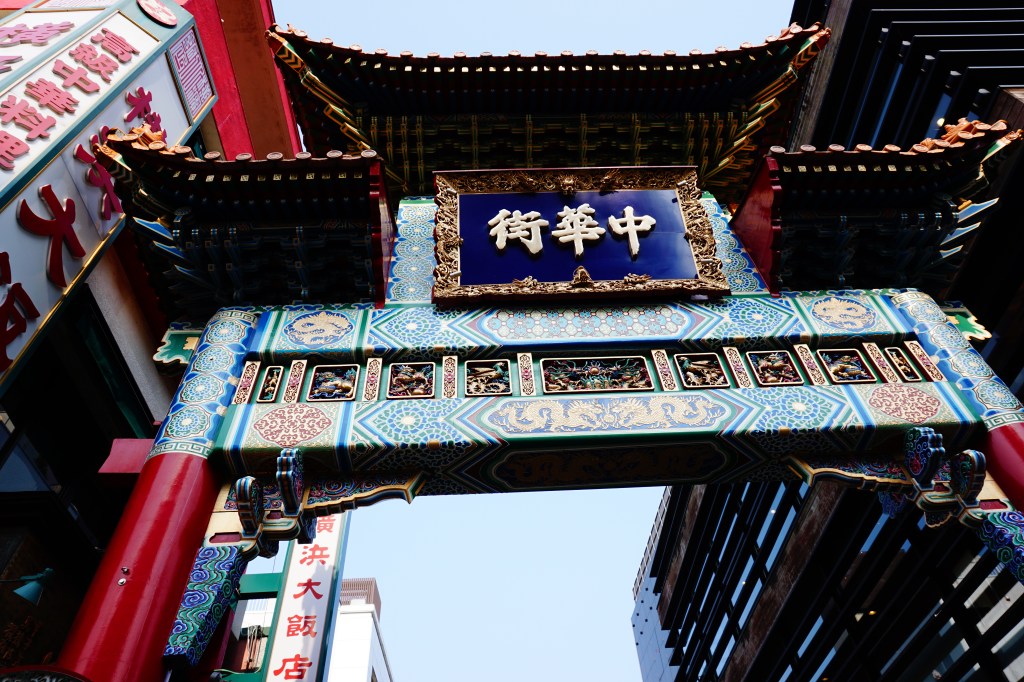
After opening the port to foreign traders plenty of Chinese shipmen and laborers came to Yokohama and settled here. And the city has the biggest China Town in Japan. The Sankeien Garden is completely at the other end of the city and I had to take a bus to reach to China Town. Contrary to the popular belief, I found public transport is very convenient and easy in Japan. Especially if you have a smart card with you that works in all transport types, be it bus or train.
Chinese workers are historically known for their migrating nature and you would find them in almost all major economies and cities. And wherever the numbers are sizable they usually formed close settlements in form of China Towns. It was their way to preserve their language and culture in a foreign land. Over the time they assimilated with localities and adopted new customs but still one can find China Towns in almost different parts of the world.
Yokohama China Town was no different. Though numbers of Chinese inside the settlement have depleted many times it’s still a very colorful representation of a miniature form of their homeland.
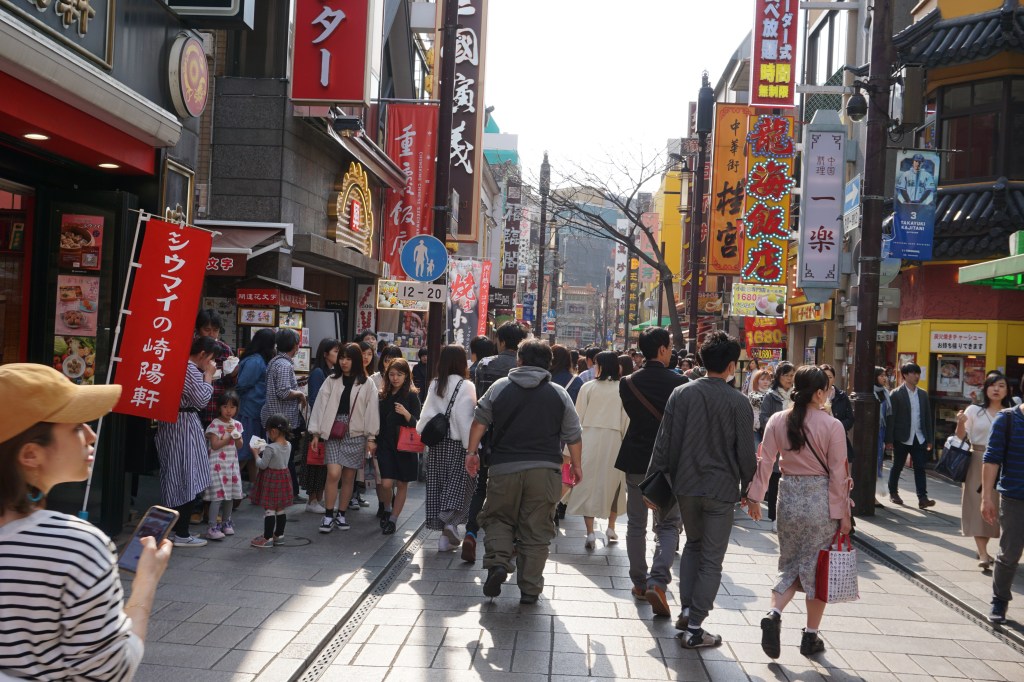
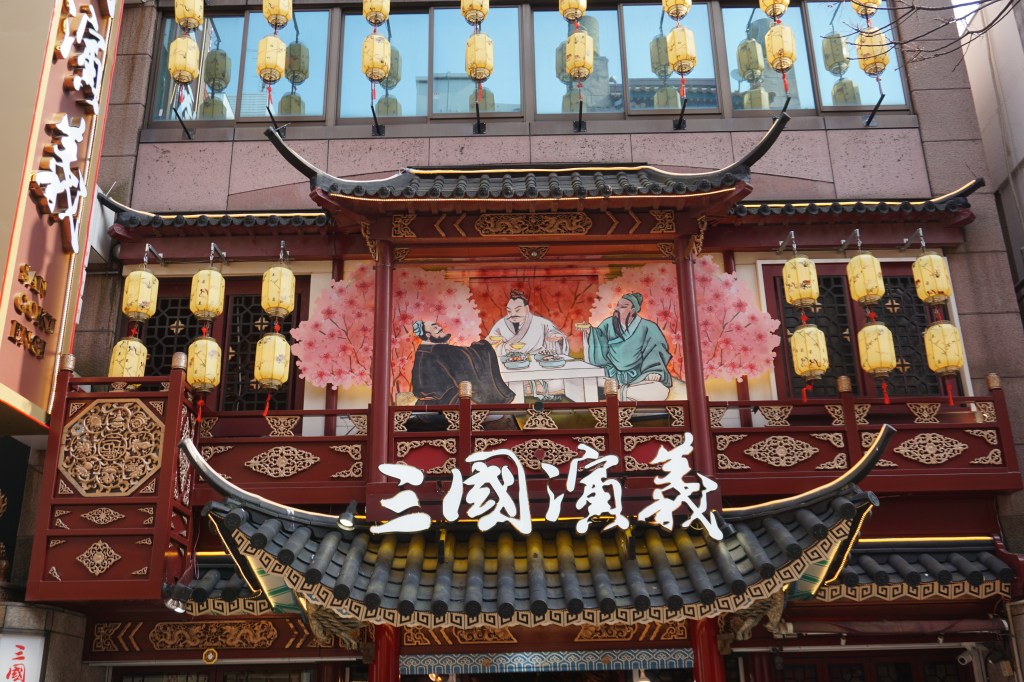
If you want to buy some Chinese ginseng, souvenir and any other stuff you can do so from the number of Chinese shops! There are plenty of Chinese posh restaurants in that area, but I selected a family run small place because of the “authenticity” of the food! And it was absolutely yummy, especially with some chilled Kirin beer!

Note: By the way, if you are interested to know how beer is produced, go for a reserved tour of Kirin Beer factory. I had a confirmed reservation but could not manage my time to go there. The brewery is in a bit far off place.
Osanbashi pier
After having a very fulfilling lunch I proceed to my next destinations. From China Town you can walk to many of the popular tourist destinations as all of those are very close by and in the Yokohama Bay area.
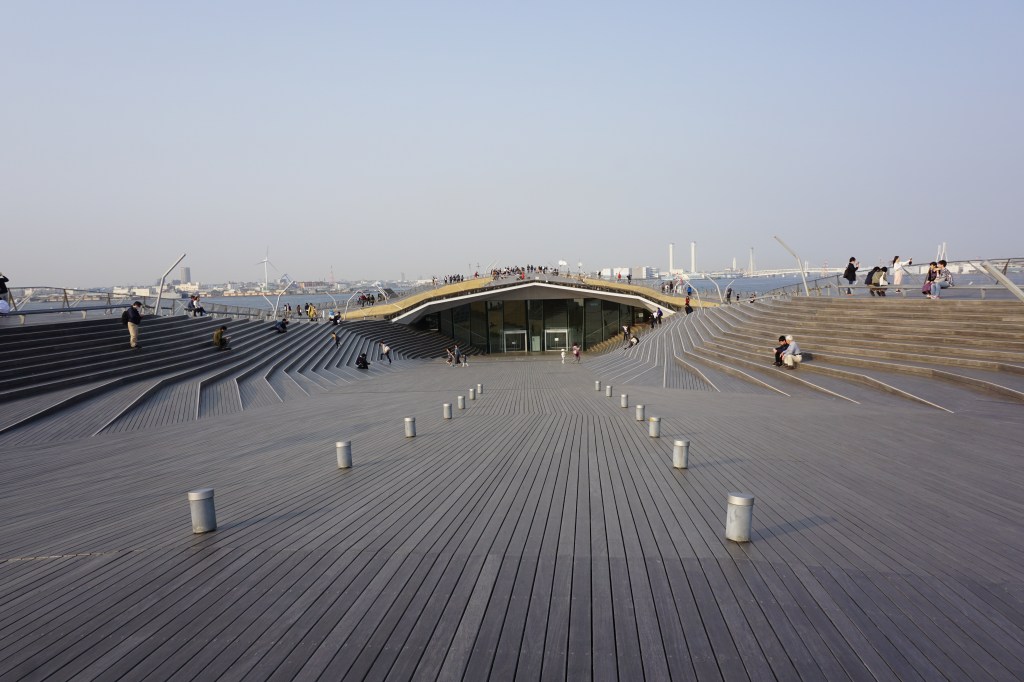
Osanbashi pier is a modern Yacht terminal and famous for its unique architecture. A beautiful wide-angle view of the Yokohama skyline is seen from here.

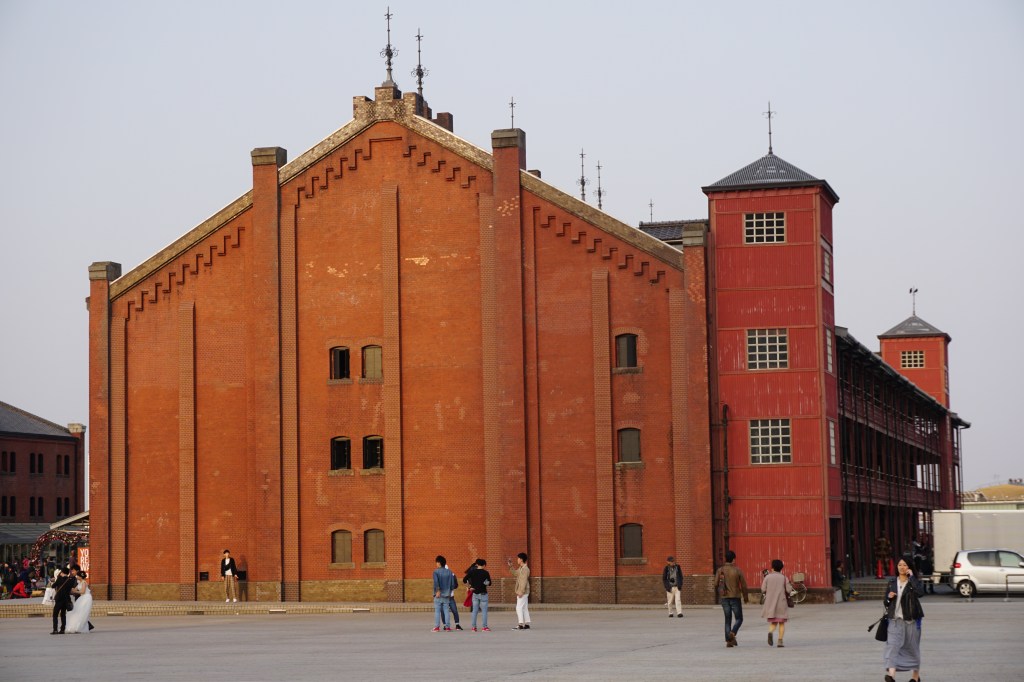
Yokohama Red Brick Warehouse.
Once a customs and tax office, this iconic place is now turned into shopping and exhibition centers. As the name suggests the warehouses are made of red bricks and look beautiful on the wide, paved square.
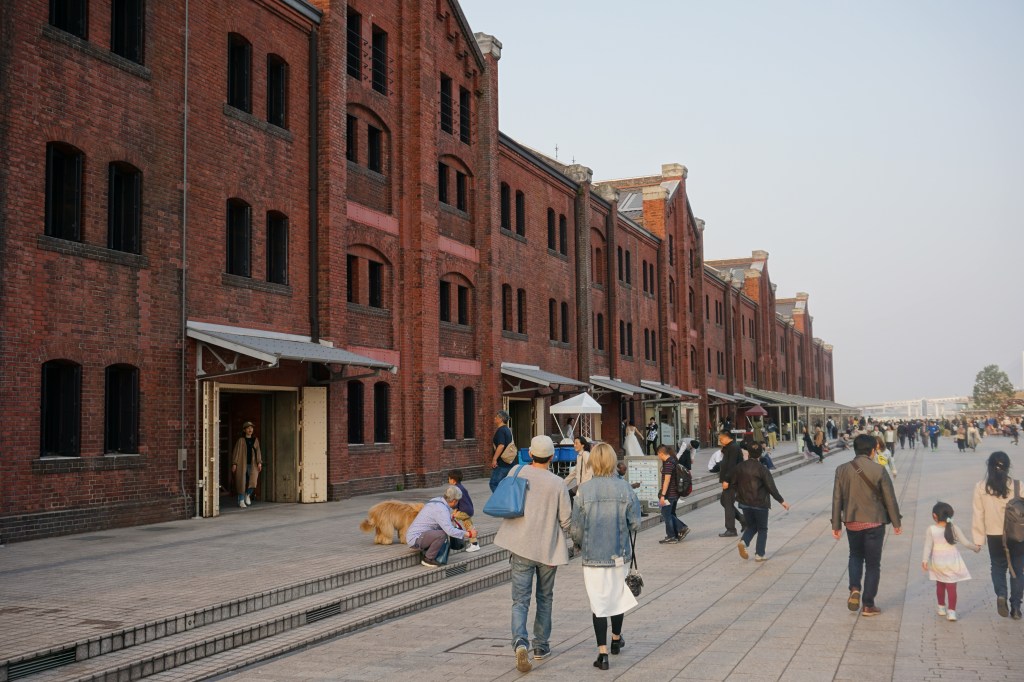
I could see this is a very popular hangout place for locals and a go-to destination for tourists due to the uncountable number of shopping and food options!
Minato Mirai 21
The name “Minato Mirai” in Japanese, literally translates to “harbor of the future”. Until 1980s, the area was a large shipyard which was later transformed into Yokohama City Centre.
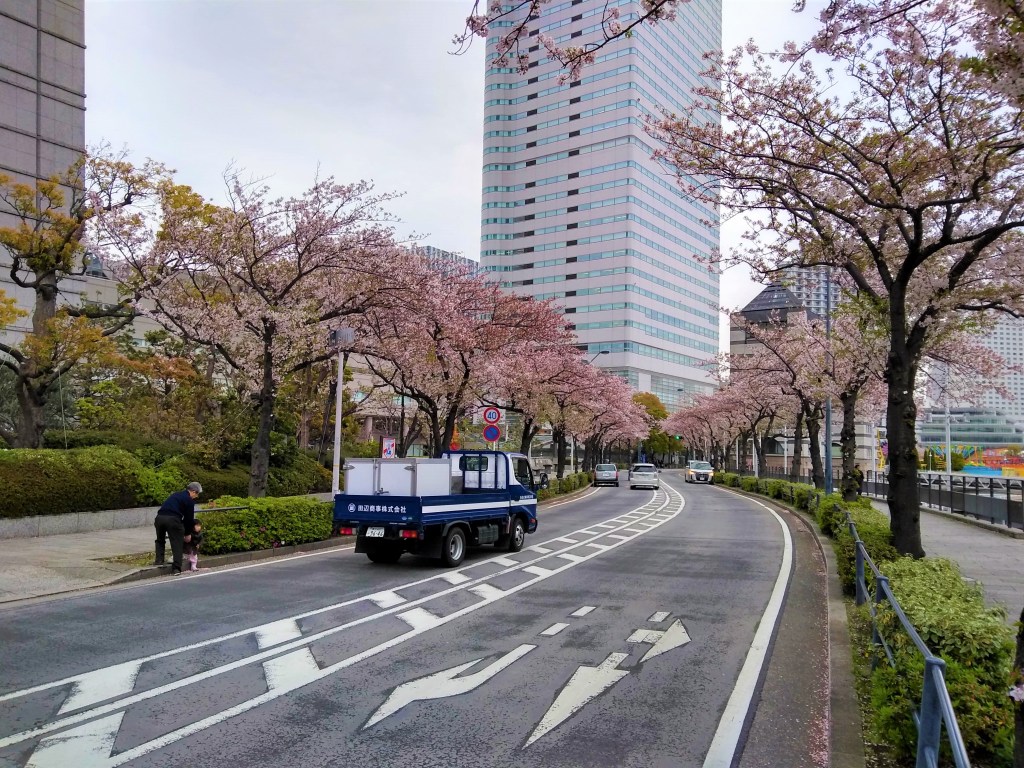
Present-day Minato Mirai is an urban area with plenty of high-rises, shopping centers, and other tourist attractions. It is blessed with a great location along the water and I could see spectacular cherry blossoms in urban landscapes here! Lovely place to stroll around aimlessly if you have time.
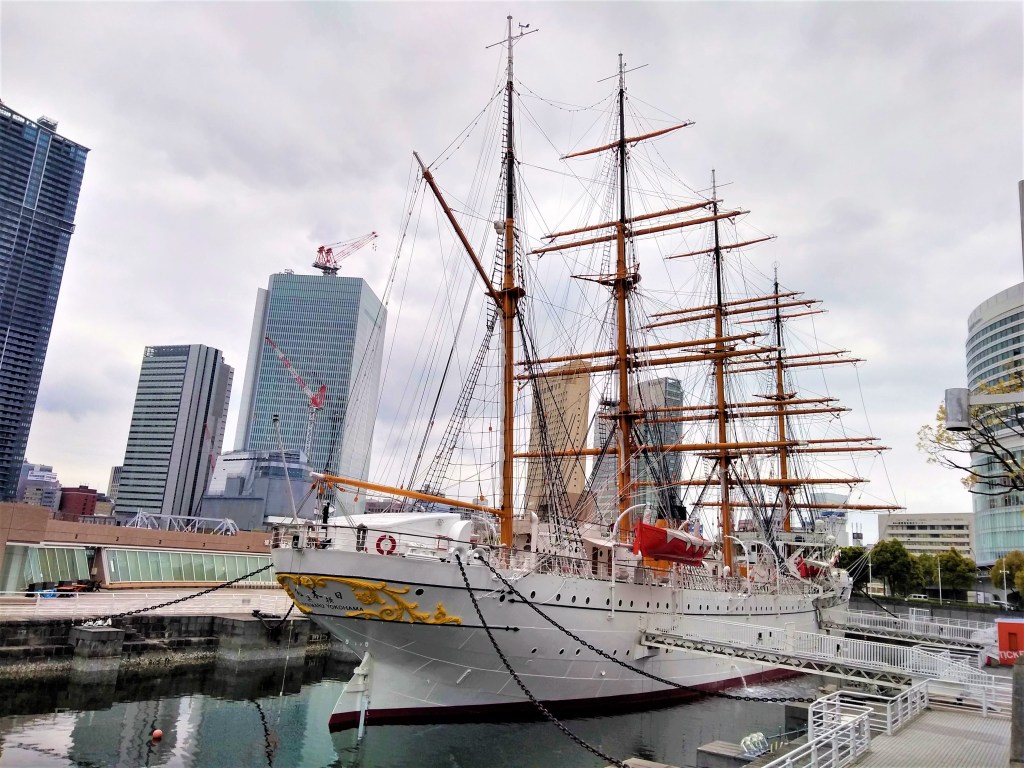


Yokohama Cosmo Clock 21
This is the most iconic representation of Yokohama one could find online. Yokohama Cosmo Clock 21 used to be the world’s tallest ferries wheel before 1992 and offers a great view of the city!

I have vertigo of height and fast motion happening together, so avoid giant wheels. But I was so much tempted with Cosmo Clock 21 that I ended up having a ride. I was single and thus had an entire box at my disposal. It was a very slow movement (only one rotation in 45 minutes!) so I had no problem. And being a solo rider, the entire box was at my disposal. So, I could enjoy breath-taking views of the city of Yokohama from all directions from the height of 108 meters!

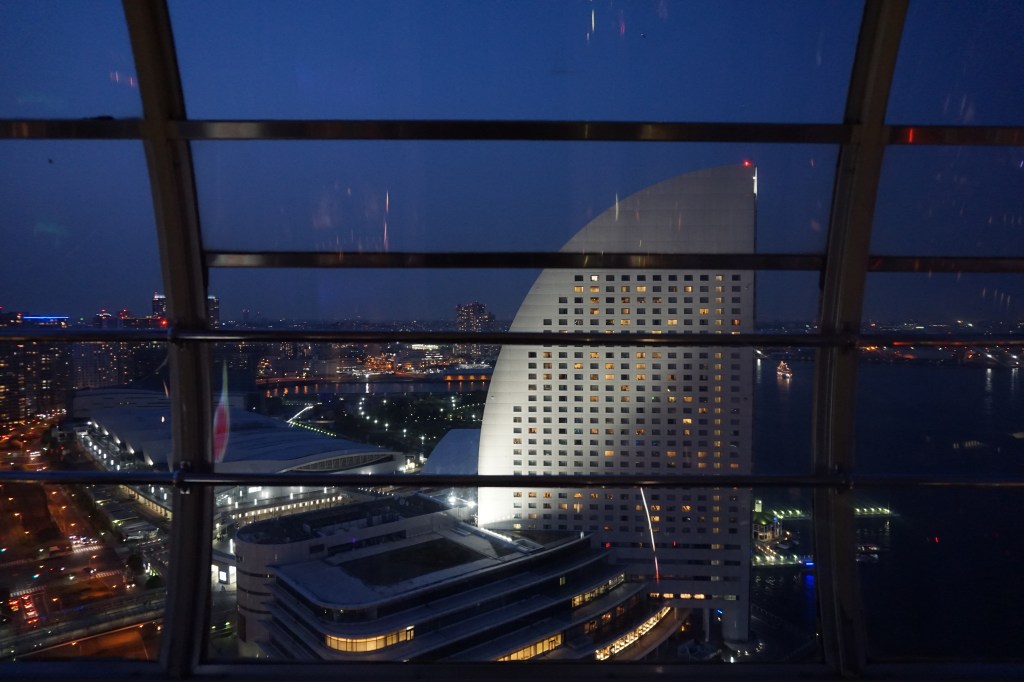
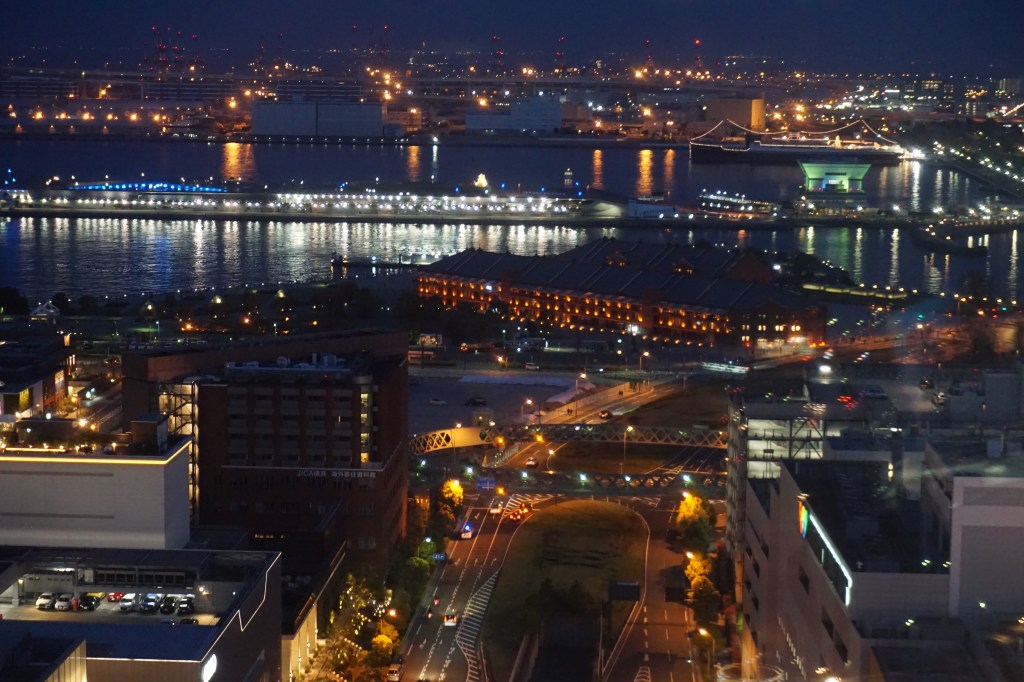
It was an awesome experience, to say the least.
Feast on Ramen at Shin Yokohama Ramen Museum
After such a long day I was feeling tired and hungry and headed straight to the subway station to get a train to Shin Yokohama. Not only because my hotel was right there but to have dinner at the famous Ramen Museum.
This is a private museum cum food court on the famous noodle of Japan, Ramen! You need to pay 2300 yuan to buy an entry ticket.
Did you know different regions of Japan have their own special ramens? Or how it evolved from Chinese noodles? Come to this place and you will get all your answers!


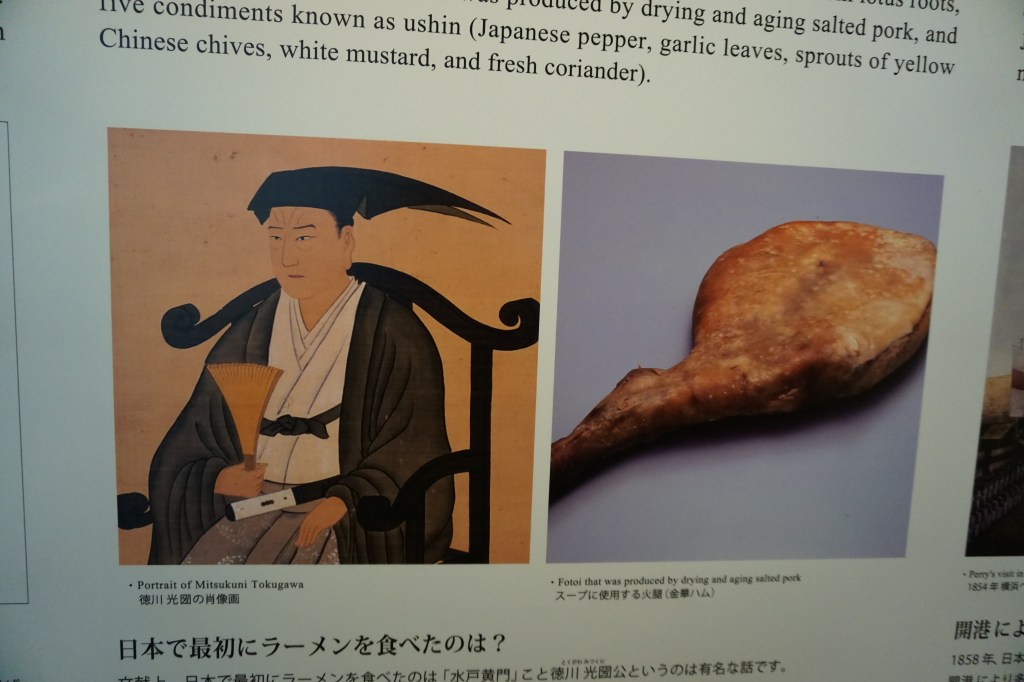
The museum has nice exhibits to show history, evolution, types, and future of Ramens. But the real surprise is the food court! The entire place is themed around 1960’s street of Tokyo and I must say it has been done with perfection!


There are plenty of shops in there offering all types of ramens from different parts of Japan, under one roof. I had mine and it was lip-smacking!
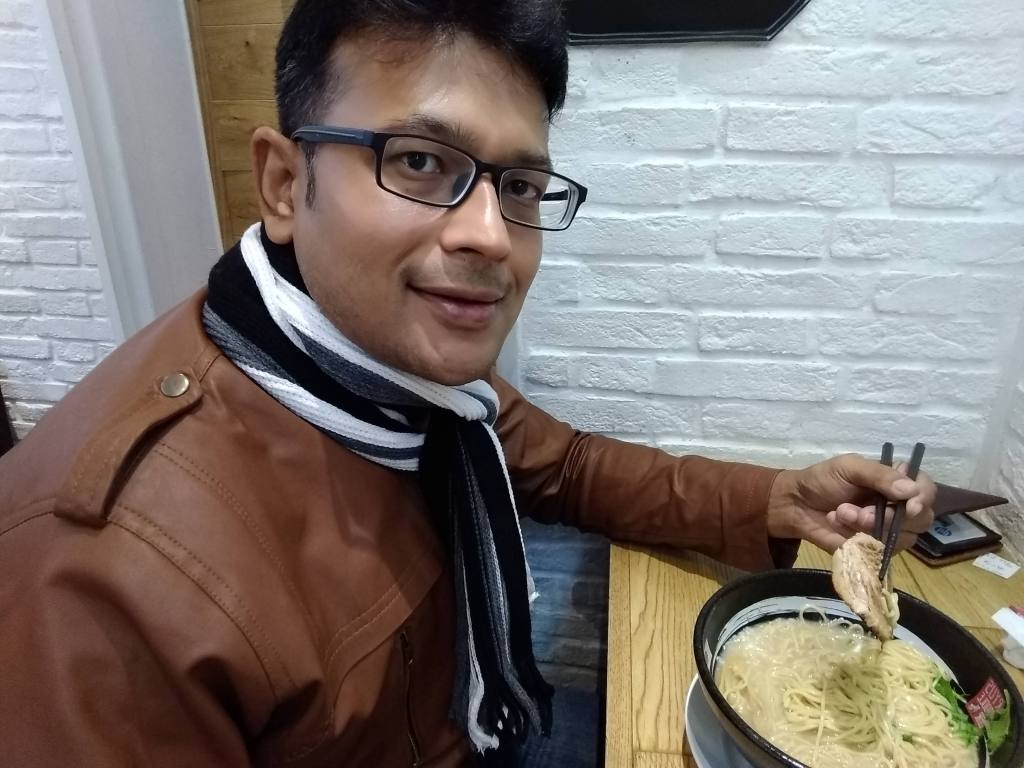
After spending an exciting day, I called it off! I was tired but happy after spending an exciting day at Yokohama!
Tips:
- In Japan use the subway and bus as much you can. Public transport is omnipresent and cheap.
- You will hear many intimidating stories on how complex the subway is. But trust me it is not once you understand how it works.
- Buy a transport card to save time and confusion on transfers and changeovers.
- If you are traveling on budget buy box meals from provisioning stores. Most of those places would have a sitting area to enjoy your meal.
- I found people are very helpful and yes, they speak decent English, at least in major cities like Tokyo and Yokohama
- Japanese are very disciplined, please pay respect to their culture
 The Urban Nomad